A Complete Guide to FFS Procedures and Choosing the Right Surgeon
If you’ve been researching facial feminization surgery (FFS), you probably already know how overwhelming the process can feel.
After hours of scrolling through websites, Reddit threads, forums, and comparison posts, it’s easy for every surgeon to start sounding the same. Everyone seems to claim they’re “the best.”
On top of that, you may have also seen results online that didn’t feel quite right: faces that looked overdone, exaggerated, or simply not like the person they belonged to. Seeing those outcomes can make an already emotional search even more stressful.



We see you, and we want you to know you’re not alone in this.
As part of our ongoing advocacy to help people navigate gender-affirming care safely and confidently, we’ve created this guide to support you in making a well-informed decision for your journey.
FFS Institute is led by Dr Henry Chen, a world-leading FFS specialist whose approach blends a deep understanding of facial anatomy and identity alignment with years of focused training and experience.
As a double board-certified surgeon in Facial Plastic and Reconstructive Surgery and Otolaryngology–Head and Neck Surgery,
Dr. Chen brings advanced expertise in both bone and soft tissue procedures.
With more than 1,000 FFS procedures performed, he understands how features such as the brows, hairline, jaw, chin, and soft tissues work together to shape how your face is perceived.
When you’re ready to explore how facial feminization might help your appearance reflect who you truly are, we’re here to listen.
You can schedule a consultation with FFS Institute to discuss your goals and next steps. To begin your FFS journey, call our Beverly Hills office at (310) 237-1392.
Key Takeaways
Factors to Consider When Choosing the Best Facial Feminization Surgeon: What Should You Look for in a Facial Feminization Plastic Surgeon?
Choosing the right surgeon for FFS is one of the most impactful decisions you’ll make in your transition journey.
The WPATH (World Professional Association for Transgender Health) Standards of Care Version 8 (its latest framework) emphasizes that anyone providing gender-affirming procedures should have appropriate training, demonstrated competence, and a commitment to ongoing education.
In other words, you deserve a surgeon who has made FFS a true specialty, not someone who treats it as an occasional cosmetic add-on.
To help you evaluate whether a surgeon is the right fit for your needs, here’s a checklist of what to look for:
Key Qualifications to Look For:
- Board Certification in a Relevant Specialty
- Board certification in facial plastic surgery or otolaryngology–head and neck surgery
- Membership in respected organizations like the AAFPRS (American Academy of Facial Plastic and Reconstructive Surgery), AAO-HNS (American Academy of Otolaryngology-Head and Neck Surgery), or ACS (American College of Surgeons)
- Specific Training and Experience in FFS
- A surgeon who focuses on FFS, not just general cosmetic procedures
- A high volume of completed FFS cases spanning the upper, mid, and lower face
- Deep Expertise in Facial and Craniofacial Anatomy
- Training in facial plastic surgery, craniofacial surgery, or oral-maxillofacial surgery
- Hands-on experience operating on facial bones and complex areas like the frontal sinus, jaw, and larynx
- A Thoughtful, Gender-Affirming Philosophy of Care
- Someone who listens first, takes your goals seriously, and understands how dysphoria can affect your daily life
- A practice that openly affirms and supports trans and nonbinary patients
- Verifiable Before-and-After Photos and Patient Testimonials
- Consistent results from actual FFS patients
- Feedback highlighting compassionate communication, surgical skill, and a sensitive, affirming approach
- Accredited Surgical Facilities and Hospital Privileges
- A surgeon who operates in accredited surgical centers or hospitals
- Ideally, affiliations with highly respected medical institutions
- Ongoing Education and Professional Leadership
- Active participation in research, conferences, publications, or educational roles
- Evidence of contributing to the advancement of facial plastics or gender-affirming surgery
Why Choose FFS Surgeons Carefully
FFS is permanent, technically complex, and involves some of the most delicate structures of your face, so the person you trust with this work matters.
Here’s why you should choose your FFS surgeon carefully:
- FFS is permanent, and “do-overs” are rare.
Facial feminization reshapes bone and soft tissue in ways that last a lifetime. If the work isn’t done well the first time, it can be challenging, and sometimes impossible, to fully reverse. - Experienced FFS specialists help lower surgical risks.
FFS carries the usual surgical risks, such as bleeding, poor healing, and infection, as well as those unique to skull and facial surgery, such as nerve injury, asymmetrym and the need for revision.
Surgeons who perform FFS regularly are better equipped to manage these risks safely. - Inexperience can lead to poor aesthetics, functional issues, and the need for revision.
FFS is both an art and a science—reshaping and harmonizing your entire face while protecting vital functions like breathing, sensation, and long-term bone stability.
In the wrong hands, the risk of asymmetry, overcorrection, undercorrection, or breathing problems can increase. - Real FFS experts have specialized training and a structured, anatomy-focused approach.
FFS is a formal subspecialty, and surgeons who excel in it have deep knowledge of facial bone and soft-tissue anatomy. They use a thoughtful, step-by-step evaluation process rather than a generic cosmetic surgery approach.
How Do I Find the Best Facial Feminization Surgeon Near Me in Los Angeles?
If you’re in (or near) Los Angeles and looking for a top-tier surgeon for your FFS, here’s a roadmap to help you find a qualified, trustworthy provider—and to guide you through how to vet them carefully before making a decision.
| Step | What to Do or Check | Why it Matters |
| Verify surgeon licensure | Use the Medical Board of California (MBC) license-verification tool, and search by name or license number to confirm the physician’s license status is “current.” | This step ensures the doctor is legally allowed to practice in CA and is not under suspension.
This is important for your safety and legal protection. |
| Check board-certification | Use the search tools of the American Academy of Facial Plastic and Reconstructive Surgery to look for board-certified plastic surgeons.
You can also use ENTHealth to verify ENT (Ear, Nose, and Throat) specialists who are certified by the American Academy of Otolaryngology–Head and Neck Surgery. |
Board certification confirms that the surgeon has completed the required training and examinations (an essential marker of expertise and professionalism). |
| Confirm FFS specialization and experience | Ask:
“How many FFS procedures have you performed?” “Do you have before-and-after photos of full-face FFS cases?” “What percentage of your practice is dedicated to FFS or gender-affirming facial surgery?” |
FFS is more complex than standard cosmetic procedures, and choosing a surgeon with a high volume of FFS cases means they have greater experience with the unique challenges it entails. |
| Confirm hospital or facility credentials. | Ensure that the surgery is performed in an accredited facility and that the anesthesiologist and surgical staff are properly credentialed. | Your safety also depends on having the right operating environment, qualified staff, and strict compliance with medical standards. |
| Review patient results and feedback | Ask to see before-and-after photos, ideally from patients with a similar facial structure, ethnicity, and procedure combination to yours.
Get references or take time to read patient reviews. |
Before-and-after photos give you a realistic sense of the surgeon’s aesthetic style and the type of results they consistently deliver.
Hearing directly from others can help you evaluate the surgeon’s consistency, communication, and ability to create natural-looking feminization. |
| Inquire about comprehensive, honest consultation and planning | Listen carefully to see whether your FFS surgeon discusses all your procedures as a unified plan (not as separate pieces) that addresses trade-offs, risks, and realistic outcomes, and offers detailed pre- and postoperative guidance. | This approach reduces the risk of poor balance, overcorrection, or complications. |
| Verify transparency in costs, anesthesia, aftercare, and support | Ask for an itemized cost estimate (including the surgeon’s fee, facility fee, anesthesia, aftercare, and any potential revision costs), and clarify whether they help coordinate follow-up and manage complications. | This enables you to avoid unexpected expenses, gives you a safety net with ongoing support, and ensures you can provide truly informed consent. |
How NOT to Choose Your Facial Feminization Surgeon
Choosing your FFS surgeon can feel overwhelming, and it’s easy to make a few common mistakes that can get in the way of finding the right match. Here’s how not to choose your surgeon, and what to do instead:
- Picking the first surgeon who shows up on Google
Avoid treating search rankings, ads, or “best FFS surgeon” lists as proof of quality. Use Google as a starting point, but dig deeper into relevant qualifications, such as specialized expertise and real-world experience. - Judging only by before-and-after photos
It’s easy to assume that great photos guarantee great results, but images can be carefully curated. They don’t reveal complication rates, revision history, or how often the surgeon actually performs FFS.
Look at photos, but also verify credentials, craniofacial training, and real case volume. - Choosing a surgeon because they’re popular on social media
Don’t let follower count or “celebrity surgeon” branding replace real measures of genuine surgical skill or safety. Popularity doesn’t guarantee impressive outcomes. - Picking a surgeon simply because they’re local
Convenience is helpful, but it shouldn’t outweigh expertise. If the local option isn’t a strong fit for FFS, and you’re able to travel, prioritize the right surgeon—not just the closest one. - Failing to verify board certification, hospital privileges, and relevant training
Not every licensed physician who advertises “FFS” is fully trained to do it.
Check whether your surgeon is board-certified, has hospital privileges, and has training specifically in facial bone and soft-tissue surgery. - Choosing based on the lowest price
Don’t let a low price overshadow qualifications. “Too good to be true” pricing often means something is being cut (sometimes at the expense of safety). - Confusing academic visibility with hands-on experience
A surgeon may often lecture on FFS, but that doesn’t necessarily reflect significant hands-on experience. Look for someone like Dr. Chen, who pairs education and thought leadership with substantial real-world FFS case volume.
Which Country Has the Best Facial Feminization Surgery?
What Is Facial Feminization Surgery and Why Is It Important?
Facial feminization surgery (FFS) is a collection of gender-affirming procedures that reshape facial features that may read as traditionally masculine, helping them align more closely with a feminine appearance.
FFS is part of the broader landscape of transgender surgical care, and for many individuals in the LGBTQ+ community, it can be a deeply meaningful part of their transition.
Unlike general cosmetic surgery, which focuses on aesthetics or restoring a more youthful look, FFS is centered on gender affirmation rather than simple beauty enhancement.
For instance, procedures like facelifts or neck lifts aim to rejuvenate aging features. Meanwhile, FFS aims to help ease gender dysphoria (the distress caused when physical traits don’t align with one’s gender identity).
For many people, the impact of FFS goes far beyond appearance.
Research consistently shows that FFS is linked to improvements in emotional well-being, social confidence, and day-to-day functioning.
A 2023 study published in Plastic and Reconstructive Surgery-Global Open found that transgender patients experienced reduced anxiety, depression, and overall distress in transgender patients after FFS.
Many transgender people seek medical care to help ease the distress that comes with gender dysphoria.
FFS is often an essential part of that care, and for some individuals, it may have an even greater impact than genital surgery when it comes to relieving their symptoms.
What Is Done in Facial Feminization Surgery?
Our FFS approach often combines several procedures to better align facial features and achieve a feminine appearance. While every patient’s plan is different, many FFS journeys include some of the following:
- Forehead contouring (type 3 cranioplasty)
The surgeon reshapes the forehead by reducing a pronounced brow ridge and repositioning bone over the frontal sinus to create a smoother, rounder contour.
If you want to soften the masculine projection of your upper face, consider forehead contouring. - Hairline advancement (scalp advancement)
The front of your scalp is carefully advanced forward to lower the hairline. This procedure helps reduce a high or receding hairline and creates a more traditionally feminine or nonbinary facial frame. - Feminizing rhinoplasty
The bones and cartilage of your nose are refined to narrow the bridge, slim the tip, and soften angles. The goal is a nose that looks delicate and harmonizes naturally with the rest of the face while preserving nasal function. - Jaw contouring (mandibular angle reduction)
Through incisions typically placed inside the mouth, the width and sharp angles of your jaw are reduced. Jaw contouring helps transition a broad or square jaw into a more tapered, feminine lower face. - Chin reshaping (genioplasty)
Your chin can be shortened, narrowed, or repositioned (such as with a sliding genioplasty) to create a softer, less angular contour. - Tracheal shave (Adam’s apple reduction)
A small portion of your thyroid cartilage is reduced through an incision placed in a natural neck crease, helping minimize the prominence of the Adam’s apple. - Brow lift
During this procedure, your surgeon lifts and gently reshapes your brows to create a higher, more arched position, opening the eye area and contributing to a softer, more feminine expression. - Cheek augmentation
Implants or fat grafting can add volume to your cheeks. This procedure enhances roundness and creates the fuller, lifted look often associated with a feminine facial structure. - Lip procedures
An upper lip lift can shorten the space between the nose and upper lip, while lip augmentation (using fat grafting or fillers) adds fullness for a more youthful, feminine appearance. - Fat grafting
Fat taken from another part of the body is used to soften transitions, add contour, and enhance features like the cheeks or lips. - Eyelid surgery (blepharoplasty)
Adjusting excess skin or repositioning fat around the eyelids can make the eyes appear more open and refreshed. This procedure often pairs well with a brow lift or forehead contouring.
Who Might Need Facial Feminization Surgery?
If you’re considering FFS, one of the first questions you might ask yourself is whether you’re the kind of person FFS is meant for. The truth is, it’s less about labels and more about how your facial features affect your sense of self.
FFS can support a wide range of people who want their features to better align with who they are on the inside. FFS may be a good fit for you if you are a:
- Transgender woman
Many transgender women consider FFS when masculine facial features contribute to ongoing gender incongruence.
This is especially common for those already living as women and often on hormone therapy, yet still experiencing distress related to facial characteristics that hormones cannot change. - Nonbinary person seeking a more feminine appearance
FFS is also an option for nonbinary people who want their features to appear more feminine. - Cisgender women seeking feminization
Some cisgender women pursue FFS procedures to refine or enhance the femininity of certain features, whether for gender expression, aesthetics, or personal comfort. - Someone experiencing gender dysphoria
For anyone whose facial features contribute to significant distress or a sense of mismatch between their gender identity and physical appearance, FFS may be a vital option to explore.
From a medical perspective, you can pursue FFS as long as you’re healthy enough for surgery, have stable mental well-being, and have goals that match what these procedures can realistically achieve.
Many people choose FFS not out of vanity, but because living with features that don’t align with your gender identity can create real emotional strain, including misgendering, anxiety, and persistent dysphoria.
Aligning your facial features with your identity can help bring relief, confidence, and create a greater sense of ease in day-to-day life.
Who Shouldn’t Have Facial Feminization Surgery?
Not everyone is ready for facial feminization surgery right now. And that’s completely okay.
FFS is a life-changing procedure, and ensuring you’re physically and emotionally prepared is part of keeping you safe.
You might hear surgeons talk about “contraindications,” which means factors that make surgery unsafe or not advised at the moment.
Here are some signs FFS may not be appropriate for you right now:
- Medical issues that make surgery unsafe
If you have a health condition that increases your surgical risk, your surgeon may recommend waiting or addressing those issues first.
These conditions can include heart disease, bleeding disorders, or complications related to general anesthesia.
The goal isn’t to deny you care, but to ensure you’re not put in harm’s way. - Significant or unstable mental health concerns
You don’t need perfect mental health to pursue FFS. That said, if you’re in the middle of a crisis or struggling with symptoms that aren’t yet stable, it’s usually safer to pause.
This precaution aligns with the WPATH (The World Professional Association for Transgender Health) Standards of Care, which emphasize making sure you’re mentally ready for transformative surgery and the recovery that follows. - Expectations that go beyond what surgery can deliver
If you’re hoping FFS will solve every problem in your life, guarantee social acceptance, or completely erase dysphoria overnight, you may need more time to explore what these procedures can realistically achieve.
FFS can help tremendously, but it can’t rewrite every part of your experience. - Being underage or not developmentally ready
FFS is generally performed in adults. In most cases, you should be over 18 before undergoing these procedures.
FFS for trans teens remains highly controversial. Most guidance emphasizes legal adulthood and informed decision-making before moving forward.
Other than that, there’s no “perfect” age beyond adulthood. Readiness is personal and depends on your health, timing, and goals. - Limited support or not enough readiness for recovery
FFS recovery can be demanding. You’ll need time, help, and emotional support.
If you don’t yet have a safe environment, reliable caregiving, or the space to recover comfortably, your surgeon may encourage you to build those supports first.
At FFS Institute, Dr. Chen and our entire team take a safety-first approach aligned with standards set by reputable organizations, such as the WPATH.
That means we look at the whole picture, not just your anatomy, but your health, your mental well-being, and the support you have around you.
We want to ensure you’re stepping into surgery at the right time, with the right expectations, and with the resources you need to heal well.
What Are the Most Effective Procedures Included in Facial Feminization Surgery?
When you think about the “most effective” facial feminization procedures, it really comes down to one idea: the features that send the strongest gender signals in the face.
Studies have shown that the strongest determinant of facial gender is the upper third of the face including the forehead, hairline, and brows. However, there are gender differences throughout the face including the nose, jawline, chin, midface, and even your trachea.
At FFS Institute, we don’t push to refine any one feature to the extreme.
Instead, our specialists examine your face as a whole. They aim to feminize the areas that matter most while keeping everything natural, soft, and in harmony.
We don’t want you to look “done.” We want to help you look like you, just in a way that aligns more closely with your gender identity.
Ready to explore your options? Below are some procedures we offer at the FFS Institute.
How Does Forehead Contouring Work in FFS?
The upper third of your face does much of the heavy lifting in terms of facial gender cues. Your forehead, brows, and hairline are some of the first features people read when they’re trying to read you.
If you were assigned male at birth (ASAB), you might notice a more pronounced brow ridge or frontal bone, sometimes called frontal “bossing,” that can cast the eyes in shadow and create a more traditionally masculine look.
Because these features are so visually dominant, softening the forehead and brow can significantly impact facial feminization.
For some people, gentle bone shaving is enough. But if your brow ridge sits over a larger frontal sinus, surface contouring alone may not fully change the shape.
In those cases, the most effective technique is a type 3 cranioplasty, also known as a frontal sinus setback.
It’s widely considered the gold-standard approach for feminizing the upper third of the face. Here’s a breakdown of how forehead contouring is usually done:
- Accessing the forehead
Your surgeon creates an incision across your head from ear to ear to reach the forehead bone and frontal sinus. - Removing and reshaping the bone
The front wall of the frontal sinus is carefully removed, reshaped, and set back to reduce the brow ridge and smooth the forehead. - Securing the new contour
The repositioned bone is stabilized to heal in its new, softer position. - Fine-tuning the shape
If needed, the surgeon also refines the edges of the eye sockets and surrounding bone to create a seamless, naturally feminine contour.
After forehead contouring, the bone requires time to settle and integrate. You’ll likely need some downtime depending on the extent of your surgery.
Why Is Jaw Contouring Essential for Facial Feminization?
Your jawline significantly influences how people read your face at a glance. A wide, square-like, angular jaw often signals masculinity, while a slimmer, smoother jawline is typically interpreted as more feminine.
Reducing the width and softening those angles can make your entire face appear more delicate and balanced.
A narrower gonial angle (the angle at the corner of the jaw) and reduced jaw width both contribute to a softer, more traditionally feminine profile.
Jaw contouring, sometimes called feminizing mandibuloplasty, softens the jawline and helps create a more rounded, heart-shaped facial outline.
Depending on your anatomy and goals, your surgeon may recommend one of several approaches:
- Jaw (mandible) reduction or angle contouring
Reduces the width and sharp angles of the lower jaw to soften the strong “jaw angle” that often reads as masculine. - Chin contouring
Narrowing and reshaping the chin helps to soften and feminized the lower face. - “V-line” contouring
Combines jaw reduction with chin reshaping to create a tapered, V-shaped lower face, a contour many people associate with a feminine silhouette
What Makes Rhinoplasty Different in Facial Feminization Surgery?
Rhinoplasty in FFS creates a nose that genuinely fits your feminized features and supports the overall harmony of your face.
In FFS, the goal is to soften the qualities typically seen in a male-type nose, such as a larger bridge, a heavier tip, or sharper angles, so the nose aligns with the rest of your feminization plan.
Your nose serves as the anchor of facial balance.
So, instead of approaching it as a standalone cosmetic procedure, Dr. Chen considers how your nose will interact with your forehead contouring, jaw and chin shape, lips, neck, and other procedures.
This whole-face strategy ensures your results look cohesive rather than pieced together.
While typical nose jobs focus mainly on issues like bumps, width, or asymmetry, feminizing rhinoplasty is guided by gendered facial cues.
That often means making the nose smaller, refining or gently rotating the tip, and softening sharper angles so your features read more naturally feminine.
At the same time, it’s essential to protect your breathing. Over-reduction of nasal cartilage can cause long-term functional problems, and Dr. Chen takes special care to avoid that.
For many patients, a closed rhinoplasty is the go-to option. This technique uses incisions inside the nostrils, so there’s no visible scarring.
This technique is ideal for subtle reshaping, narrowing, or refining the bridge and tip while keeping the exterior of the nose untouched.
That said, if you’ve had a previous nose surgery, revision rhinoplasty can be more challenging because of scar tissue or reduced cartilage support.
In these cases, your surgeon may need to rebuild internal structure using grafts to restore stability and achieve a natural, feminine contour.
What sets us apart is how seamlessly we weave rhinoplasty into your overall feminization plan.
Dr. Chen’s unmatched expertise and extensive experience in rhinoplasty ensure your nose looks natural, stable, and in perfect harmony with the rest of your feminized features.
What Are the Benefits of Facial Feminization Surgery?
FFS can offer a wide range of benefits, many of which go beyond mere physical change:
- Gender congruence: your face matches who you are
One of the biggest benefits of FFS is the sense of gender congruence—the feeling that your face finally matches who you are. By softening masculine features, your appearance is more likely to be read as feminine, which can bring deep relief. - Reduced gender dysphoria and emotional distress
If your facial features have been a constant source of dysphoria, feminization surgery can ease that mismatch. Many patients say they feel more at ease emotionally once their face reflects their gender identity in everyday interactions. - Enhanced self-confidence and quality of life
When your appearance lines up with your identity, confidence often follows. Patients frequently describe FFS as life-changing because it allows them to move through the world with more comfort, ease, and self-assurance. - Improved psychological well-being
Research shows that trans women who haven’t had gender-affirming surgery often have lower mental health–related quality of life compared with the general female population.
Those who undergo procedures like FFS don’t show this same deficit, highlighting the positive impact surgical affirmation can have. - Better social integration and less misgendering
Masculine facial cues are one of the main reasons trans women are misgendered. By reducing those cues, FFS can help you be seen as the woman you truly are, often leading to better social integration and fewer stressful or stigmatizing encounters. - Long-term satisfaction and positive outcomes
Studies consistently show that the benefits of FFS are long-lasting. Once healing is complete, most patients report sustained improvements in quality of life and high satisfaction with their results.
What Are the Risks of Facial Feminization Surgery?
FFS is generally safe when performed by a qualified specialist, but, as with any life-changing procedure, it carries risks.
At FFS Institute, we believe you deserve a clear, honest understanding of those possibilities so you feel informed and supported at every step.
We’ll also walk you through what you can do before and after surgery to help lower your risk of complications.
Here are some of the general risks you should know:
- Bleeding
- Infection
- Injury to nearby structures, depending on the area being treated
- Adverse reactions to anesthesia
Some risks are more specific to facial feminization surgery, such as:
- Visible or bothersome scarring
- Temporary or (rarely) permanent nerve injury
- Incisions pulling apart during healing (wound dehiscence)
- Fluid buildup under the skin (seroma)
- Hematoma, or swelling caused by trapped blood
- Voice changes or swallowing difficulties after a tracheal shave
- Prolonged swelling, especially around the jaw and neck
These risks are typically low, and we work hard to keep them that way.
At FFS Institute, your procedures are performed by a double board-certified facial plastic and reconstructive surgeon with extensive experience in FFS.
Detailed preoperative planning and regular follow-up visits also help us catch any concerns early, when they’re easiest to manage.
That said, it’s vital to listen to your body. If you notice fever, worsening pain, unusual swelling, drainage, persistent bleeding, or anything that simply doesn’t feel right, we encourage you to contact your surgeon right away.
How Much Does Facial Feminization Surgery Typically Cost?
The cost of facial feminization surgery can vary widely depending on how many procedures you’re having and which areas of the face you want to address. For patients paying out of pocket, prices typically range from $5,000 to $100,000.
Here’s a simple breakdown of non-insurance, out-of-pocket estimates by facial region:
- Upper third (hairline, forehead bone, brow): $10,000 to $50,000
- Middle third (nose, cheeks): $6,000 to $30,000
- Lower third (lips, jaw, chin, neck): $5,000 to $50,000
Specialized FFS surgeons and institute-level centers often fall on the higher end of these ranges because of their advanced training, high case volume, and the technology they use to plan and perform surgery.
What Factors Affect the Cost of FFS Surgery?
Your final cost can vary based on these factors:
- Surgeon experience: Board-certified surgeons with deep, gender-affirming expertise usually charge more due to their specialized training and skill.
- Facility quality: Centers in areas like Beverly Hills often operate with hospital-grade equipment, accredited operating rooms, and concierge-level care, all of which are reflected in the price.
- Facility fees: These cover nursing staff, medications, surgical supplies, and the cost of running a safe, accredited operating suite.
- Anesthesia: Full FFS requires general anesthesia, and working with a dedicated anesthesia provider adds an additional fee.
- Geographic location: Major medical hubs — especially Beverly Hills — tend to have higher fees due to cost of living, strong demand, and expectations for premium care.
- Number and type of procedures: Each procedure you add (forehead reduction, rhinoplasty, jaw or chin reshaping, tracheal shave, and lip work) increases surgical time and, in turn, facility and anesthesia costs. More procedures mean a higher overall total.
These factors together shape your final price, and your surgeon’s team can help you understand how each piece applies to your specific plan.
Does Insurance Cover Facial Feminization Surgery?
Insurance may cover facial feminization surgery, but coverage varies by plan and what your insurer considers medically necessary.
Many gender-affirming procedures, including FFS, are now recognized as medically necessary for trans and nonbinary patients, especially in states like California.
When the right documentation is submitted, private insurance plans in these states often approve at least part of the surgical plan.
Major organizations support this shift in coverage.
As early as 2016, the WPATH Board of Directors has been urging U.S. insurers to remove exclusions for transgender patients and cover medically necessary gender-affirming care.
The University of California, San Francisco (UCSF) echoes this advocacy, noting that a wide range of gender-affirming procedures are officially defined as medically necessary.
Unfortunately, most insurers don’t publish a list of “covered FFS procedures,” which can make the process confusing.
In practice, insurers are most likely to cover procedures that are clearly tied to treating gender dysphoria.
That’s why documentation is necessary, and why you may need to submit letters for each procedure rather than for FFS as a whole.
Here’s what the insurance process often involves:
- Working with your mental health provider to obtain a support letter
- Submitting that letter along with your surgeon’s treatment plan
- Checking your policy for any exclusions related to gender-affirming care
- Expecting some back-and-forth before receiving a final decision
Navigating this process can feel overwhelming, but you don’t have to do it alone. At FFS Institute, we can help organize paperwork, understand requirements, and work toward obtaining approval.
How Do I Pay for FFS?
| Payment Option | How It Works | Pros | Cons |
| Financing Plans | Many patients use medical financing companies, such as CareCredit, to divide the cost into manageable monthly payments.
These plans may offer fixed, variable, or no-interest promos, depending on the lender. |
Smaller monthly payments
Allows you to move forward with surgery sooner Predictable repayment terms |
Interest can significantly increase the total cost
Requires a credit check and approval |
| Cash Pay (Self-Pay) | Paying out of pocket gives you the most control over surgeon selection, scheduling, and the full scope of your procedures. | Complete control over the surgical plan
No delays from insurance approvals Ability to combine procedures freely |
Requires significant upfront savings
Not feasible for many people without long-term planning |
| Other Financial Support: Grants, Crowdfunding and Mutual Aid | Many people also turn to crowdfunding or mutual aid to help cover the cost of surgery.
You might choose to share your story within your own circles on Instagram or Facebook, or use platforms like GoFundMe or Kickstarter to reach a wider community. |
Can cover a large portion of surgery costs (sometimes up to 100%)
Some nonprofits offer pro bono or free surgeries through partnership programs |
Opportunities can be limited, competitive, and tied to grant cycles or application dates.
Can be very time- and energy-intensive May not reach the full fundraising target |
There’s no single “right” way to prepare financially. The best approach is the one that feels realistic and sustainable for you.
Some people save gradually, while others combine savings with financing so they don’t have to wait years to move forward. You might:
- Save a portion of the cost and finance the rest to help keep monthly payments manageable.
- Factor in travel, time off work, and follow-up visits if you’re coming from out of town.
- Create a flexible timeline, saving steadily while gathering any insurance documentation you may need.
Whatever path you choose, plan in a way that supports both your goals and your financial well-being.
How Is the Recovery From FFS? How Long Does Facial Feminization Surgery Take to Heal?
FFS recovery happens in stages, and knowing what to expect can make the whole process feel less overwhelming. Here’s a general timeline of how healing usually looks:
Immediately After Surgery (First Few Days)
- Right after surgery, you can expect swelling and bruising, especially if you had multiple procedures done.
- Most people use stronger pain medication for about four to five days
- Your face will be bandaged, and you won’t be able to shower until it comes off
During this time, your “job” is to rest and recover. Don’t exercise or perform any heavy activity. Just focus on healing at home or in an aftercare facility. - You’ll see your surgeon the day after surgery, either in the office or wherever you’re staying, so they can check your comfort, swelling, and pain levels.
And during that first week, our coordinator, Emmy, stays in close contact to make sure you’re recovering safely.
First One to Two Weeks
- Most incisions are sealed by the end of the first week, and this is usually when sutures or splints come out.
- Bruising fades significantly by the two-week mark.
- Pain typically eases after the first few days and becomes manageable with non-narcotic medications, such as Advil and Tylenol.
- If you had jaw or neck surgery, you’ll wear a compression garment for at least eight hours a day during the first month.
- Exercise is still off-limits for the first two weeks.
Weeks Two to Six
- By this stage, most people start to feel more like themselves.
- Bruising and swelling steadily improve.
- Because the most visible healing happens in the first two to six weeks, many people feel ready to return to work or social situations during this time.
- You may still have some puffiness, especially in the lower face, but most others won’t notice unless they’re looking closely.
Up to 12 Months
- Deep swelling, especially around the jaw, chin, and neck, can take up to 12 months to fully settle.
- It’s completely normal for subtle changes to continue throughout the year.
- Most people see their final results after about a year, which is why revision surgery (if needed at all) is usually not performed any sooner.
- As everything settles and your features harmonize, many patients describe a growing sense of ease and confidence.
FFS is more than a cosmetic change. For many people, it’s a lifeline, a step toward living in a face that finally feels like yours.
And throughout every stage of your recovery, our team is here to support and empower you.
How Much Discomfort Follows After FFS?
It’s completely normal to wonder how much discomfort you’ll feel after FFS.
Every surgery comes with some level of pain, but what you experience depends mainly on how many procedures you’re having at once and how your body personally responds to healing.
If you’re having a minor, focused procedure, your discomfort may be relatively mild and manageable with over-the-counter medications like Advil or Tylenol.
But if you’re having multiple areas addressed—such as forehead work combined with jaw contouring and rhinoplasty—the first few days will likely feel more intense.
Existing data can help give you a clearer picture. In a multicenter study of 74 FFS patients, the average reported pain was 4.3 out of 10 in the early postoperative period.
Interestingly, the study didn’t find significant differences between patients who had a “partial” FFS versus those who had full-face procedures.
For most people, the pattern looks something like this:
- The first few days usually bring moderate discomfort, but it’s typically well controlled with our pain-management protocol.
- Stronger medications (like short-term narcotics) are generally only needed for the first four to five days.
- After this early healing phase, most patients switch to lighter options and notice the pain steadily improving.
Some procedures, such as a tracheal shave, can cause temporary hoarseness or throat discomfort. This kind of irritation is usually associated with swelling and almost always resolves over time.
Overall, your level of discomfort can vary depending on:
- The number of procedures you’re having at once
- The amount of bone work involved
- Your personal pain tolerance, age, and overall health
- How closely you follow post-op instructions, such as wearing compression garments, resting, icing, and keeping your head elevated
At FFS Institute, we won’t leave you to manage post-op discomfort on your own.
You’ll receive a personalized pain-management plan based on the exact procedures you had—nothing generic, and nothing more demanding than you truly need.
We also structure your follow-up visits early and often: a check-in the day after surgery, suture or dressing removal around day seven, and regular visits after that.
Those touchpoints allow Dr. Chen and our team to keep a close eye on your healing and adjust your care right away if discomfort or swelling feels like more than you expected.
Throughout the entire process, our goal is straightforward: to help you stay as comfortable and supported as possible while your face heals.
When to Call the Doctor
FFS is generally safe when performed by a qualified surgeon, but, like any procedure, it still carries risks.
Here’s a good rule of thumb: If something feels off, trust your instincts and reach out. That said, here are the specific signs you should never ignore:
- Infection
Call your surgeon if you notice:
- Redness, swelling, or soreness around an incision that’s getting worse instead of slowly improving.
- Unusual drainage (anything cloudy, foul-smelling, or pus-like).
- Fever, chills, or feeling unwell
- Bleeding, hematoma, or wound opening
These signs deserve an immediate call:
- Bleeding that doesn’t stop with gentle pressure or bleeding that starts again after stopping.
- Sudden or rapidly growing swelling—especially if it feels tight, firm, or painful—can signal a hematoma (blood pooling under the skin) or a fluid collection.
- An incision that appears to be opening, pulling apart, or losing sutures (wound dehiscence).
- Abnormal pain
Some discomfort is expected, but reach out if:
- Your pain isn’t improving day by day, or it suddenly gets worse.
- The pain feels sharp, throbbing, or “different” from what you’ve felt before.
- Your prescribed medication isn’t helping, or the pain returns after it seemed to be getting better.
- Systemic or Unusual Symptoms
FFS can involve several regions of the face and neck, so complications don’t always show up directly on the incision line. Call right away if you experience:
- Shortness of breath, chest pain, or irregular heartbeat.
- Worsening hoarseness, trouble swallowing, or sudden neck swelling
- Unexpected numbness or nerve symptoms that feel severe or worsening
At FFS Institute, we see ourselves as your partner in healing.
You’re never bothering anyone by asking questions, especially after a complex facial surgery.
Even if you’re unsure whether something is serious, it’s always better to check in—whether you need reassurance or something truly needs attention.
What Is the Regret Rate for Facial Feminization Surgery?
When considering FFS (a truly transformative treatment), it’s completely natural to wonder how others who’ve had it feel about their results.
The good news is that regret rates for gender-affirming surgery, including FFS, are extremely low (less than 1%), especially when patients are well-prepared and surgery is performed by an experienced, specialized team.
Because regret and satisfaction are closely linked in this research, regret rates of around 1% suggest that the overwhelming majority of appropriately selected patients feel satisfied, or at least do not regret their decision.
At FFS Institute, patient satisfaction isn’t something that happens by accident. It’s built into every part of your experience.
This commitment to natural results and compassionate patient care is one of the reasons Dr. Chen, our founder and lead surgeon, has earned the Gordon Award for Exceptional Customer Service and Patient Satisfaction.
As he often says, plastic surgery can change the outside, but when it’s done tastefully and naturally, the transformation you feel on the inside can be profound.
Across the literature, several factors repeatedly show up as reasons patients tend to feel satisfied, and these mirror how FFS Institute structures care:
- Realistic expectations, good support, and thoughtful counseling
Regret is more likely when someone goes into surgery hoping it will solve every life challenge.
Support, education, and clear communication play a significant role in helping you feel grounded and confident in your decision. - Being medically and mentally ready
People with unstable mental health conditions, unmanaged medical issues, or unrealistic expectations are more at risk for dissatisfaction. It’s why careful screening and readiness discussions matter. - Understanding that FFS is permanent
In most cases, the results of bone contouring and structural changes are irreversible. Making a permanent change requires clarity about your goals and a true sense of comfort with them. - Choosing a surgeon who specializes in FFS
Dr. Chen is one of the few surgeons worldwide with focused training and high-volume experience in comprehensive FFS. Expertise matters, especially with procedures that shape identity and carry so much meaning. - Ongoing support throughout recovery
At FFS Institute, you’re not left to navigate recovery alone. Our team stays connected with you before surgery, during your stay, and well after you’ve gone home, helping you feel supported at every step.
Advanced Techniques and Technologies in Modern FFS
Modern facial feminization surgery is far more sophisticated than simply “eyeballing” bone or soft tissue.
Today’s FFS combines surgical expertise with high-resolution imaging, computer-based planning, and minimally invasive tools, many of which are already built into our workflow at the FFS Institute.
- Virtual Surgical Planning (VSP) and 3D Facial CT Scanning
One of the foundations of advanced FFS is Virtual Surgical Planning (VSP).
With a detailed face scan, we can study your bone structure, your forehead, orbital rims, jaw, and chin, down to the millimeter.
This step lets us map out where contouring should happen long before you’re in the operating room.
VSP gives you the advantage of a “plan first, then operate” approach.
Instead of estimating shape changes during surgery, Dr. Chen can visualize the problem areas, explore different solutions, and choose the path that will give you the most natural, balanced result.
Across craniofacial and aesthetic surgery, it’s now routine to gather imaging using CT (computed tomography), MRI (magnetic resonance imaging), ultrasound, laser scanning, and 3D photography.
At FFS Institute, these tools support the detailed preoperative evaluation that makes your surgical plan completely customized, and not a template or one-size-fits-all approach. - 3D Medical Printing
Three-dimensional printing has become an essential component of modern craniofacial surgery and integrates seamlessly into FFS.
What once lived only on a screen can now become something your surgeon can hold, study, and use with remarkable precision. With 3D printing, your surgical plan can be transformed into physical, customized tools, such as:- Custom 3D-printed guides for forehead or jaw contouring
- 3D-printed implants crafted specifically for your chin or cheeks
- Physical skull models that help your surgeon rehearse the procedure and explain each step clearly
- Endoscopic, Minimal-Scar Techniques
Endoscopic methods use a small camera and slim instruments inserted through tiny incisions, often hidden along natural creases. In FFS, this approach is especially helpful for:- Brow lifts
- Certain scalp or hairline procedures
- Select soft-tissue repositioning With smaller incisions and less visible scarring, you get a cleaner, more natural result, which is especially crucial if you want your face to look feminized without apparent signs of surgery.
- Robotic and Automation-Assisted Tools
Robotics isn’t yet a standard part of FFS, but the technology is advancing rapidly in the broader field of craniomaxillofacial surgery.
Early robotic systems show real promise, from helping shape surgical hardware to assisting with incredibly precise, digitally guided tasks. Dr. Chen keeps a close eye on these developments, ensuring that as the field grows, you benefit from the safest and most advanced options available. - Computer-Assisted “Morphing” and Predictive Visualization
At FFS Institute, you’ll also experience another modern tool: photo-based morphing.
It gives you a visual sense of what might be possible and helps create a clear, shared starting point for conversations about your goals, so you feel understood, supported, and truly involved in shaping your outcome.
A Note from Dr. Henry Chen
Facial feminization surgery is a permanent, life-changing, and integral part of your transition. FFS helps you attain a more feminine face that matches your gender identity. Choosing to undergo FFS is a deeply personal and emotional decision, and Dr. Chen wants you to feel confident and supported throughout the process. Dr. Chen aims to listen to your goals and work with you to create a highly individualized surgical plan to achieve them. He will make sure you are fully prepared for surgery and recovery and that all of your questions are answered. After surgery, he will be there step-by-step through the recovery process to make sure you heal as well as possible.

Henry Chen, MD
Facial Feminization Surgery Institute

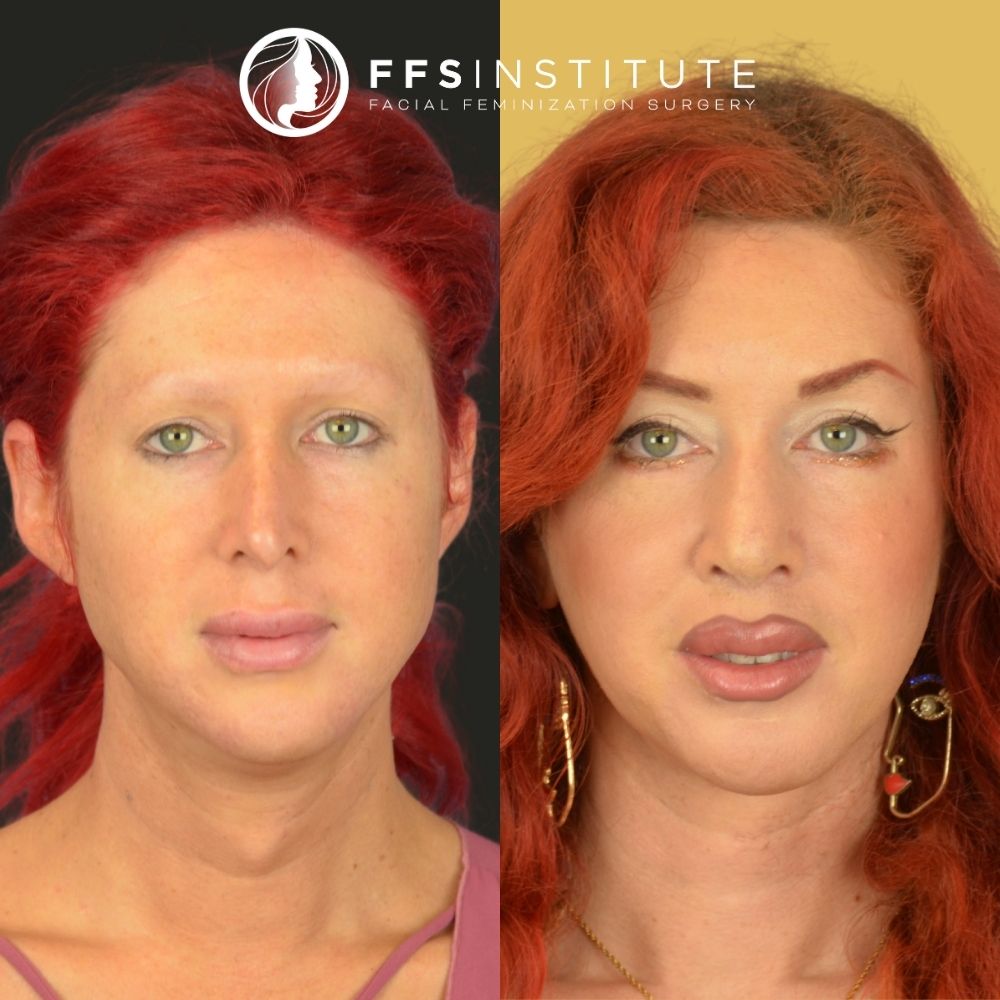
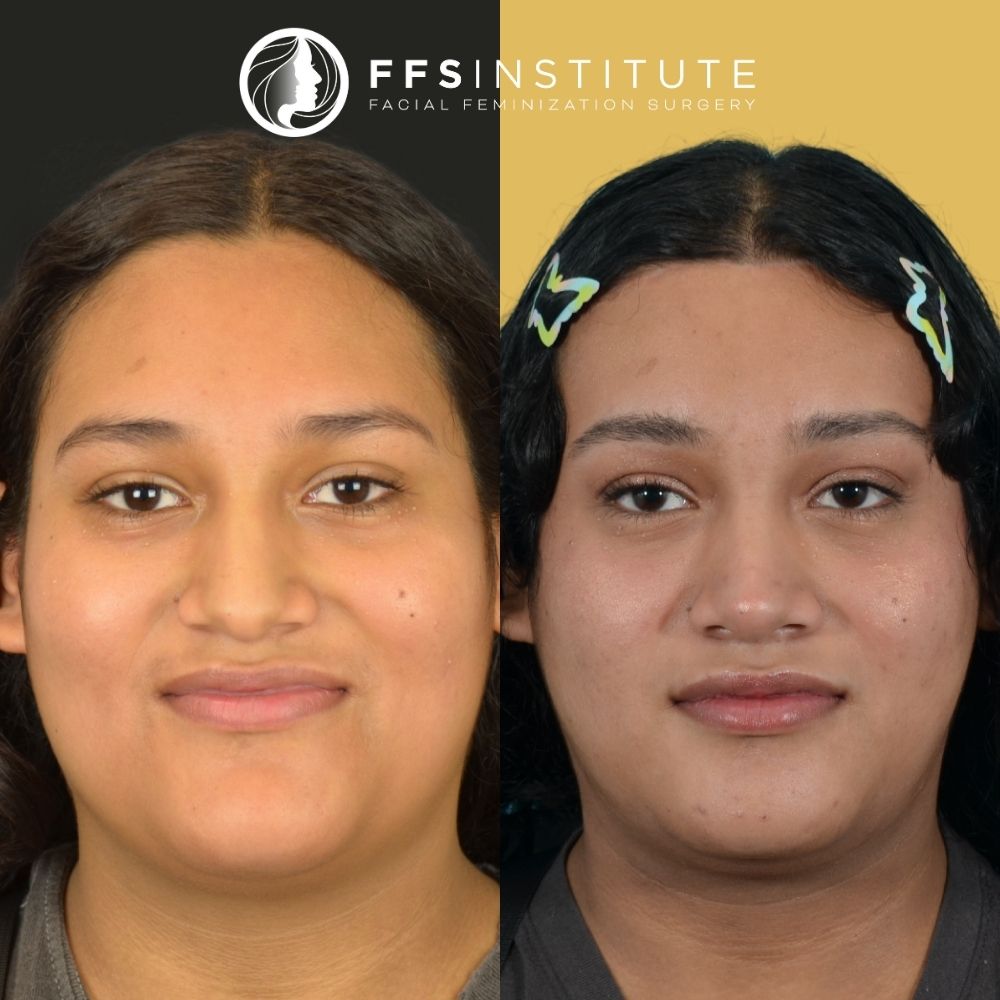
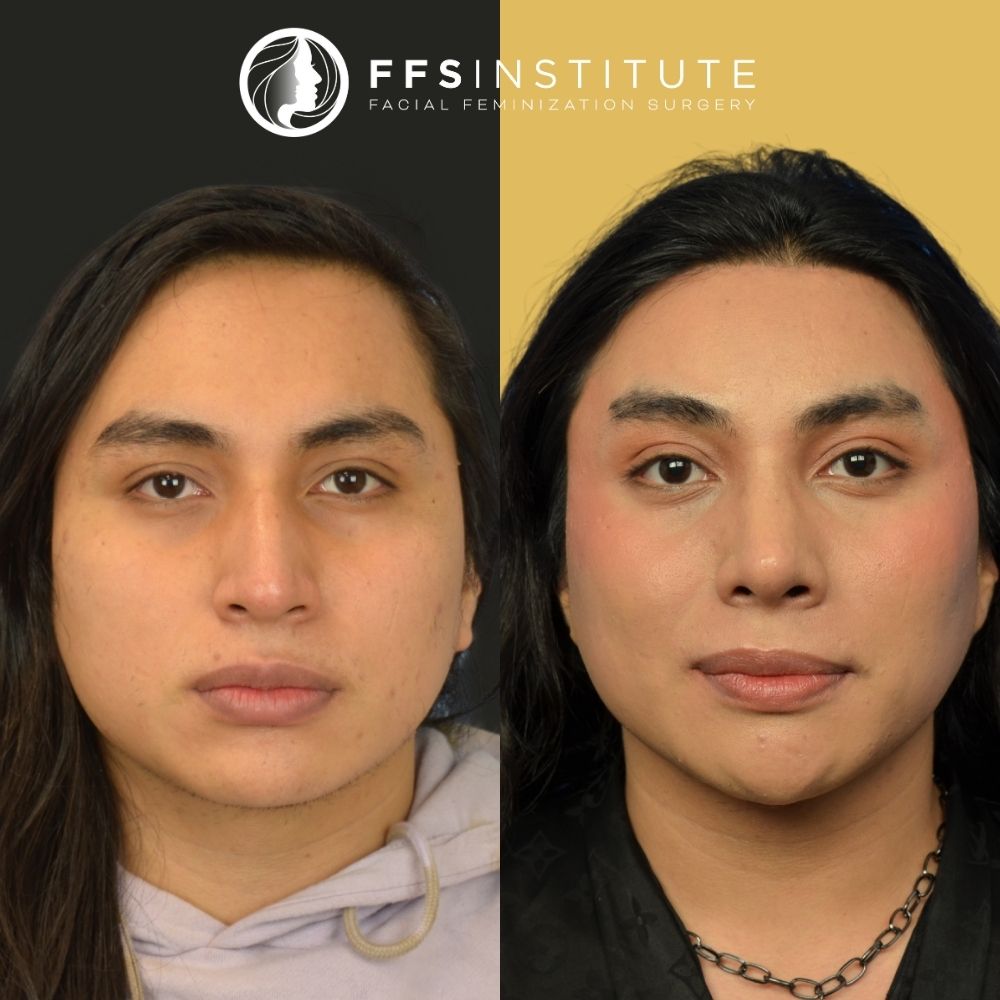
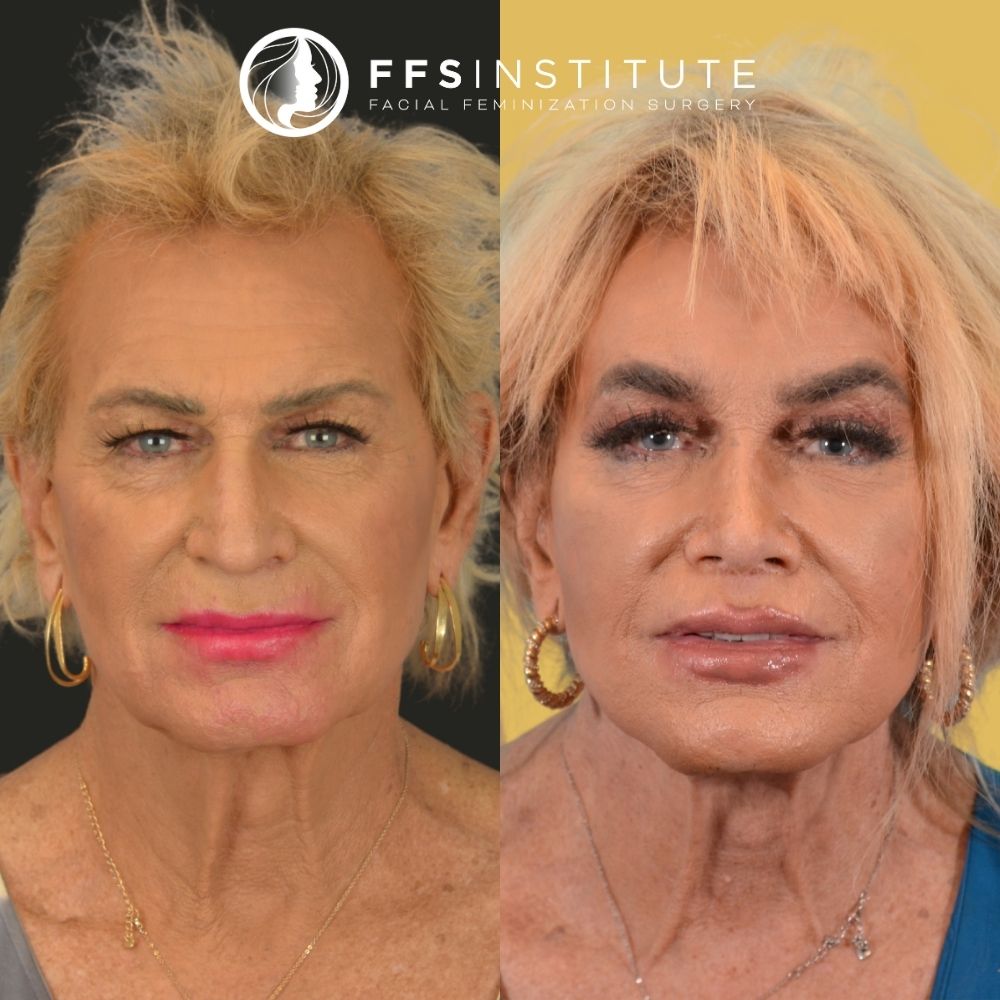
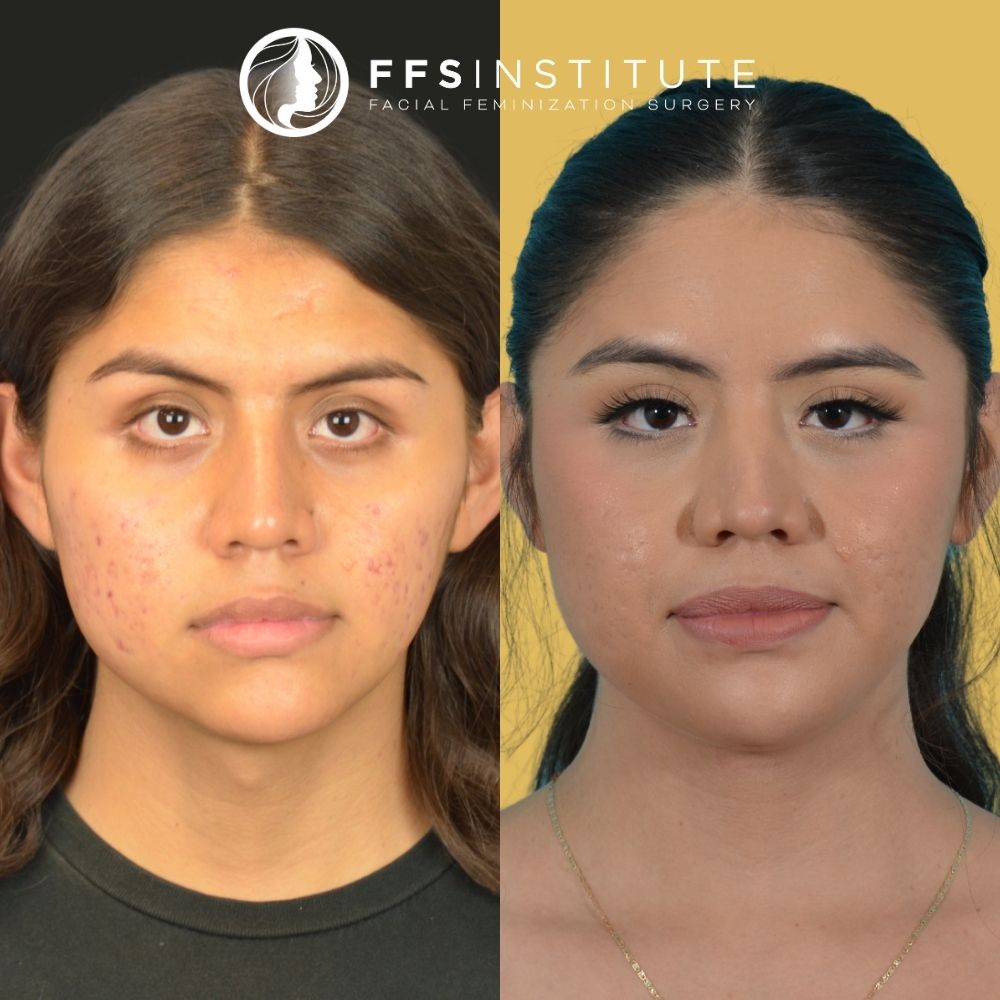
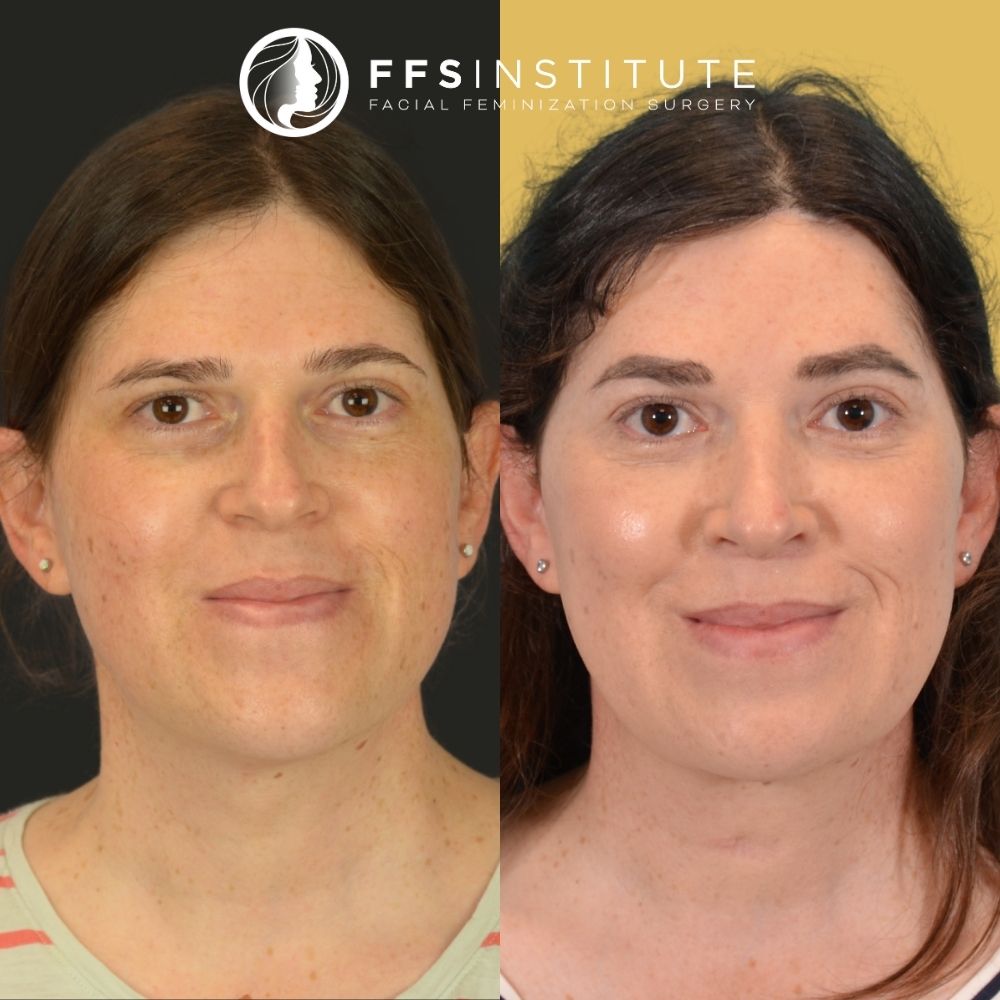
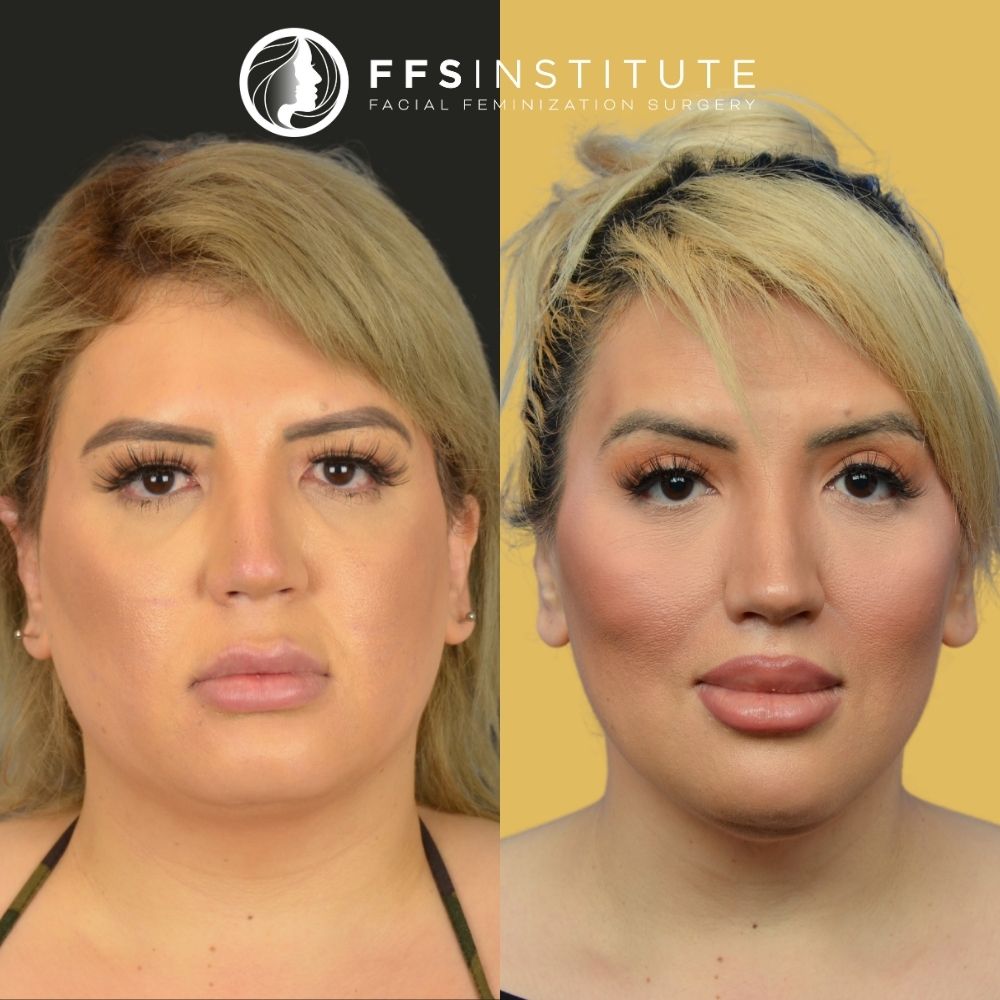
See the Power of Transformation
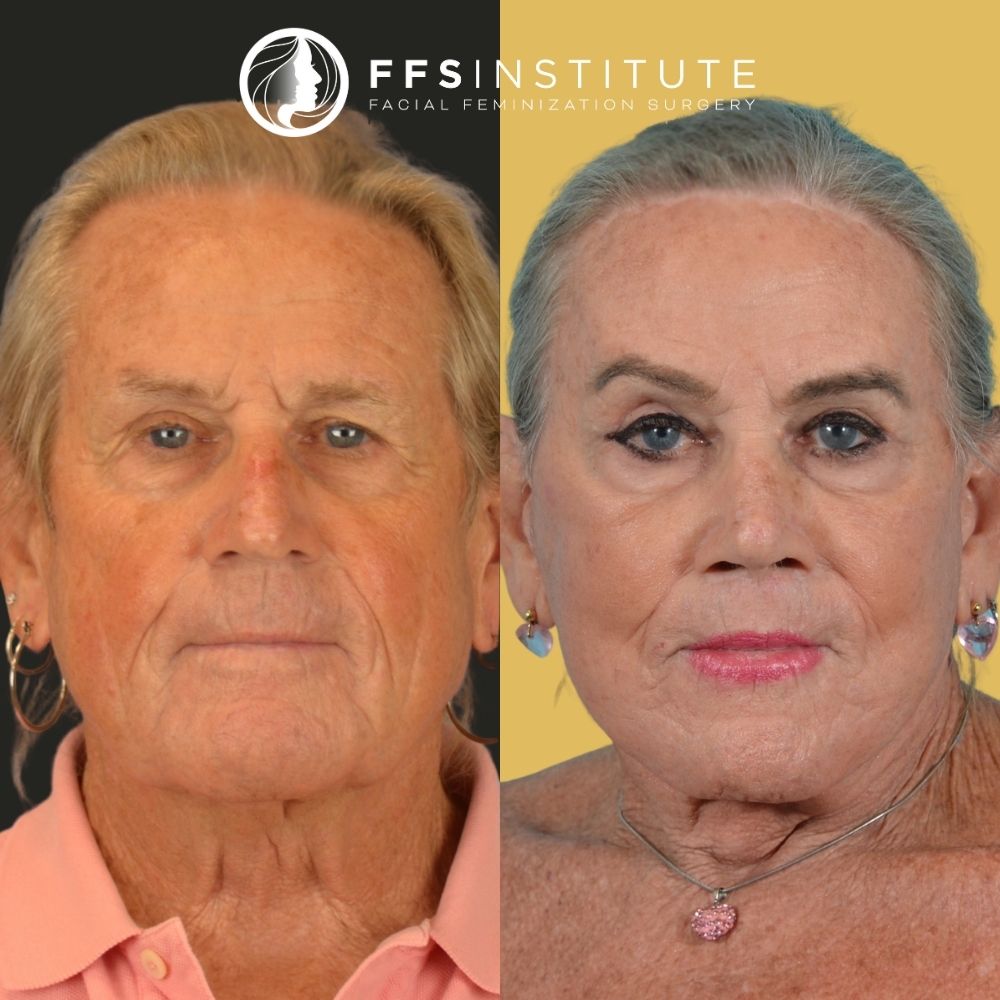
Explore real results from patients who’ve undergone facial feminization surgery with Dr. Henry Chen. Each transformation reflects the harmony of artistry, precision, and personalized care.
-
 Before
After
Before
After
-
 Before
After
Before
After
-
 Before
After
Before
After
-
 Before
After
Before
After
-
 Before
After
Before
After
-
 Before
After
Before
After
-
 Before
After
Before
After
-
 Before
After
Before
After
Frequently Asked Questions About the Best Facial Feminization Surgery
Can cisgender women get facial feminization surgery?
Absolutely! Cisgender women absolutely can have facial feminization surgery.
If certain facial features feel sharper, stronger, or more masculine than you’d prefer, FFS may be a helpful option to bring your appearance into closer alignment with how you want to look.
Many cisgender women come in with concerns like:
- “My forehead feels too high or too bold.”
- “My brow sticks out too much. It looks heavy or prominent.”
- “My eyes look deep-set or shadowed.”
- “My jawline or chin feels too wide, angular, or sharp.”
If any of these feelings resonate with you, you might be an excellent candidate for feminizing procedures designed to soften, balance, and refine your features in a way that feels authentically you.
Is facial feminization permanent?
Yes. Facial feminization surgery creates permanent changes. Because FFS reshapes the underlying bones and soft tissues of your face, the results don’t “wear off” the way temporary treatments do.
While swelling can take up to a year to fully fade, the structural changes made during FFS, such as contouring the forehead, jaw, or chin, are long-lasting and meant to stay with you throughout your life.
How long does FFS usually take?
There isn’t a single set operating time for facial feminization surgery, as every plan is customized to your unique goals and anatomy.
Smaller, focused procedures may take just a few hours. Meanwhile, more comprehensive upper-, mid-, and lower-face surgeries can last up to about 12 hours.
Your surgeon will walk you through the expected timeline beforehand, so you know exactly what to expect.
And if you’re starting to wonder what the best approach to facial feminization might look like for you, we’re here when you’re ready.
Our team is always prepared to listen, understand your goals, and explore options that can help your appearance reflect the woman you know yourself to be.
You can schedule a consultation with Dr. Chen at FFS Institute to learn what your personalized options may look like. To begin your FFS journey, call our Beverly Hills office at (310) 237-1392.
Get In Touch With Us
Dr. Chen is double board-certified by the American Board of Facial Plastic and Reconstructive Surgery and the American Board of Otolaryngology-Head and Neck Surgery.
Call (310) 237-1392 or fill out the form below for a consultation.