;)


Dramatic FFS Surgery: A Complete Guide to Life-Changing Facial Feminization Results

For many, gender dysphoria or discomfort isn’t tied to a single facial feature. It’s often about how the face is perceived as a whole.
If your brow, jawline, hairline, or nose still feel out of sync with who you are, even after HRT (hormone replacement therapy) and other nonsurgical procedures, you may be wondering whether a more comprehensive facial feminization surgery (FFS) is the next step.
And with that question comes another: Can this more “dramatic” FFS be done safely and in a way that genuinely reflects the woman I see in myself?
At FFS Institute, we understand how much trust you’re placing in your surgeon, and we don’t take that lightly.
Dr. Henry Chen, our founder and lead surgeon, approaches every dramatic transformation with the same priorities: safety, natural harmony, and long-term well-being.
With nearly 20 years of experience and more than 1,000 FFS procedures performed, he has the expertise to plan larger, multi-area transformations with clarity and precision.
Instead of viewing each procedure as a separate step, Dr. Chen focuses on how all your features (your brow, forehead, nose, jaw, chin, hairline, and soft tissues) work together.
A “dramatic” FFS doesn’t have to look exaggerated. In the right hands, it can look natural, cohesive, and deeply affirming.
If you’re considering a more significant transformation and want to understand what dramatic FFS could look like for you, we’re here to guide you through it.
For more information, call our Beverly Hills office at (310) 237-1392 to schedule your consultation with Dr. Chen.
Key Takeaways
- Dramatic or full-face FFS delivers the most noticeable transformation by reshaping multiple areas at once, like the forehead, jaw, chin, nose, and neck. The result is a more balanced, cohesive facial structure that is more readily perceived as feminine.
- Choosing a surgeon like Dr. Chen—who has craniofacial training, extensive high-volume FFS experience, and a meticulous preoperative planning process—helps reduce risk and supports more predictable, refined results.
- Most people who undergo comprehensive FFS experience increased gender congruence, confidence, and quality of life. A study published in The American Journal of Surgery showed that regret rates for gender-affirming surgery like FFS are less than 1%.
- At FFS Institute, facial feminization surgery is led by Dr. Henry Chen, a double board-certified specialist with nearly 20 years of clinical experience. Throughout his practice, he has successfully performed 1,000 FFS procedures.
What Is Dramatic FFS Surgery?
“Dramatic” FFS refers to a comprehensive, full-face surgical plan that reshapes several regions of the face (and sometimes the neck) within one coordinated approach.
Rather than addressing a single feature in isolation, dramatic FFS combines several high-impact procedures to change how the face is perceived as a whole.
Because facial gender cues work together, this full-face transformation can create a more meaningful and cohesive change. These procedures are often performed in a single operative session and may take up to 12 hours, depending on the scope of surgery.
By comparison, staged FFS—where procedures are performed in one area at a time—typically creates more subtle, incremental change.
Many individuals choose a dramatic approach because their dysphoria is connected to how their entire face is read, not just one specific feature. For these patients, a comprehensive plan can feel more aligned with both their goals and their emotional well-being.
At FFS Institute, our philosophy of care is grounded in the belief that FFS can be a crucial step toward living authentically. For many, it’s a deeply personal and life-changing process that helps bring their outward appearance into harmony with their identity.
A comprehensive FFS with our team thoughtfully integrates procedures across the upper, mid, and lower face to create balance, cohesion, and natural-looking results.
A dramatic FFS plan may include procedures such as:
- Type 3 forehead contouring
- Scalp advancement (hairline lowering)
- Brow lift or eyelid lift
- Feminizing rhinoplasty
- Jaw and chin contouring
- Tracheal shave
- Fat transfer or cheek augmentation
- Facelift and neck lift
When thoughtfully combined, these techniques allow surgeons to address features that commonly convey masculine cues while enhancing softer, more traditionally feminine characteristics.
The goal is not to change who you are, but to create harmony across the face so your appearance aligns more closely with your identity.
So what can a dramatic FFS do for you? The following example highlights just how powerful a comprehensive, full-face approach can be when each procedure is planned and performed with care.
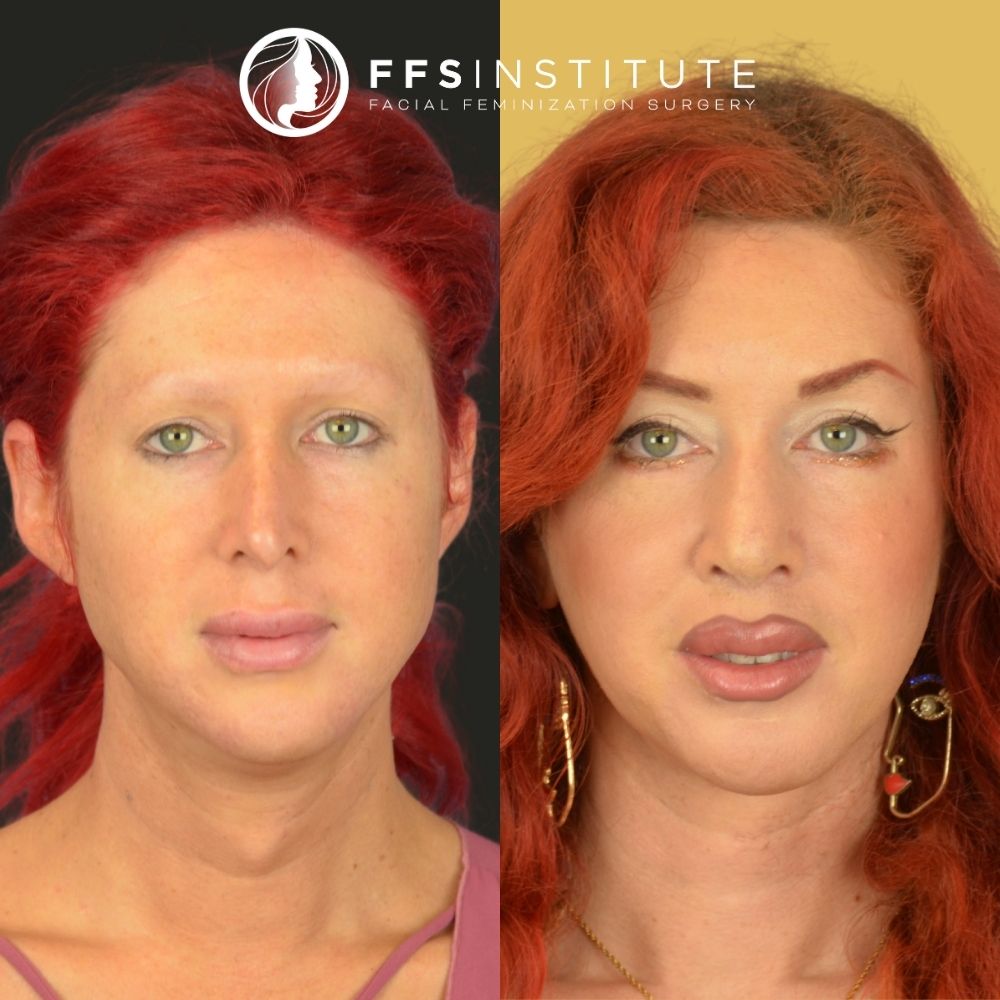
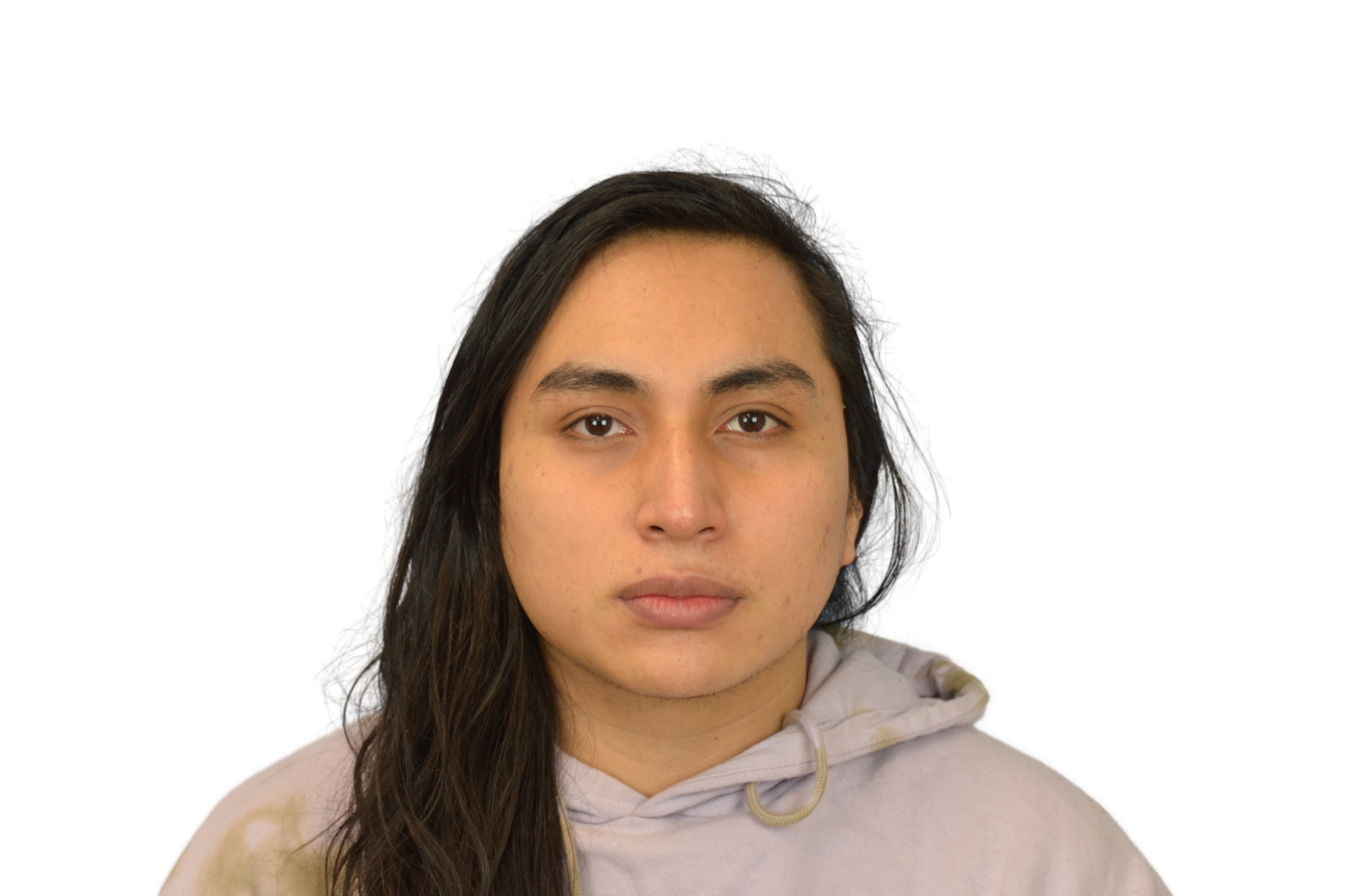
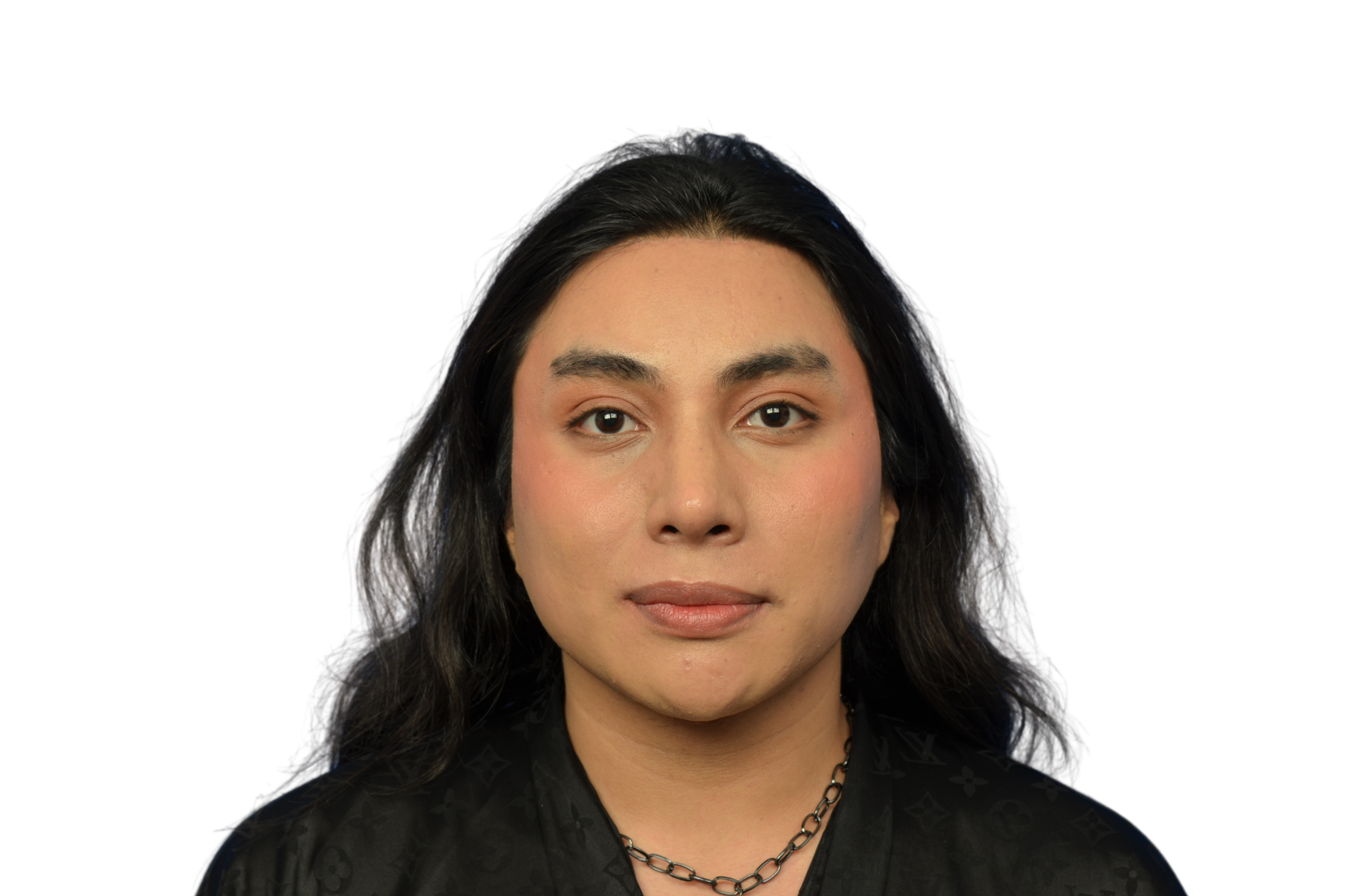
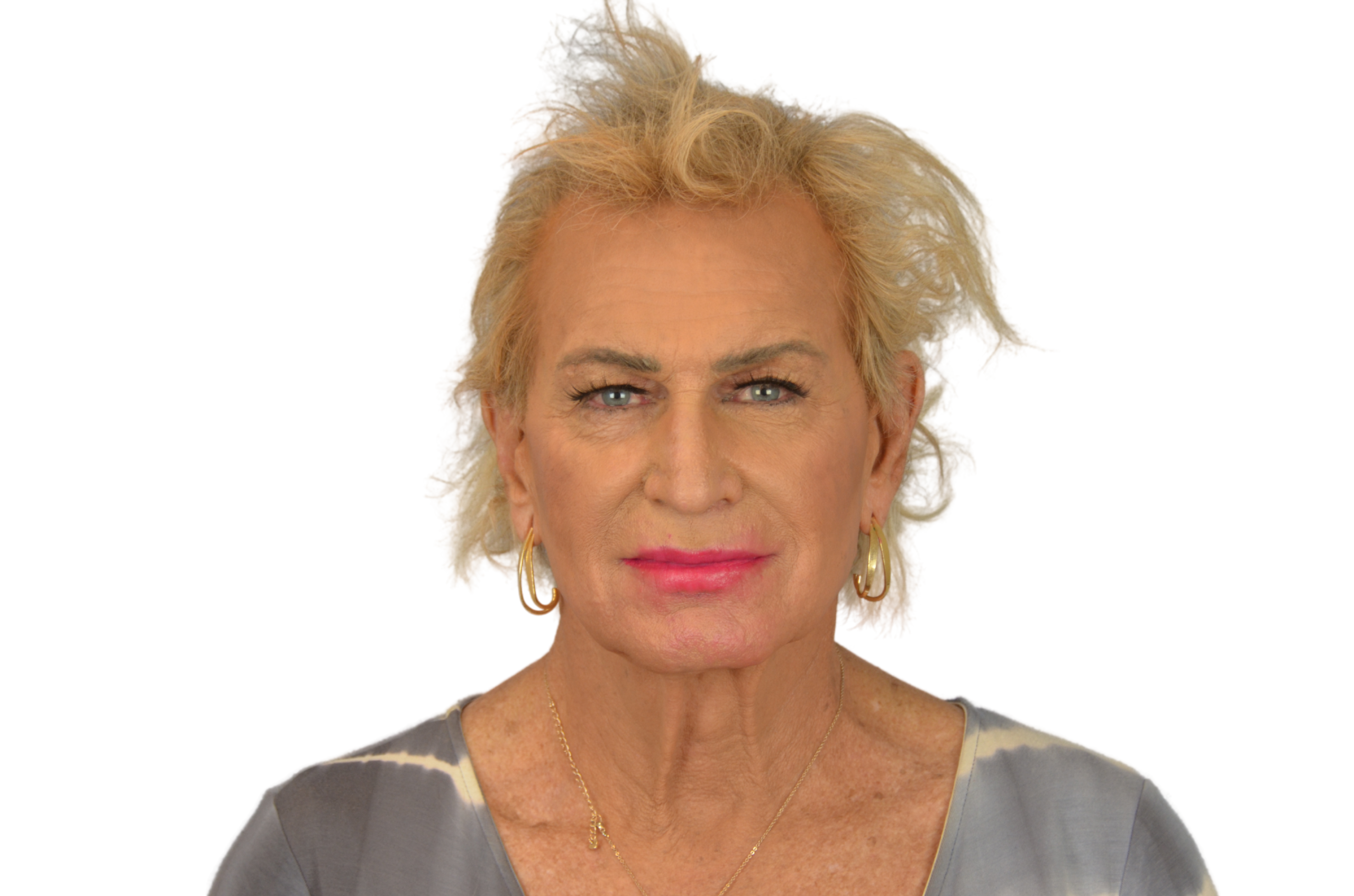
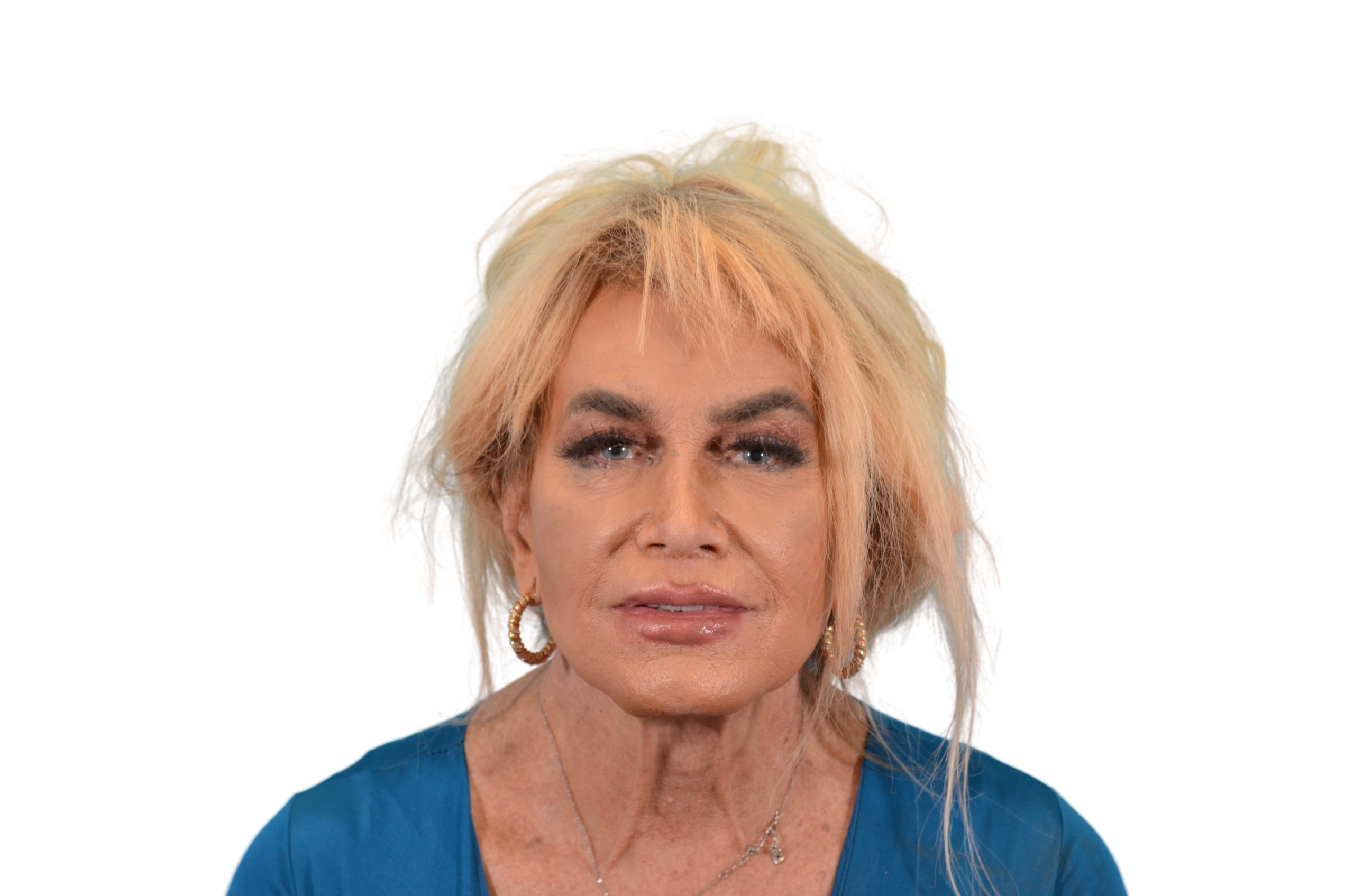
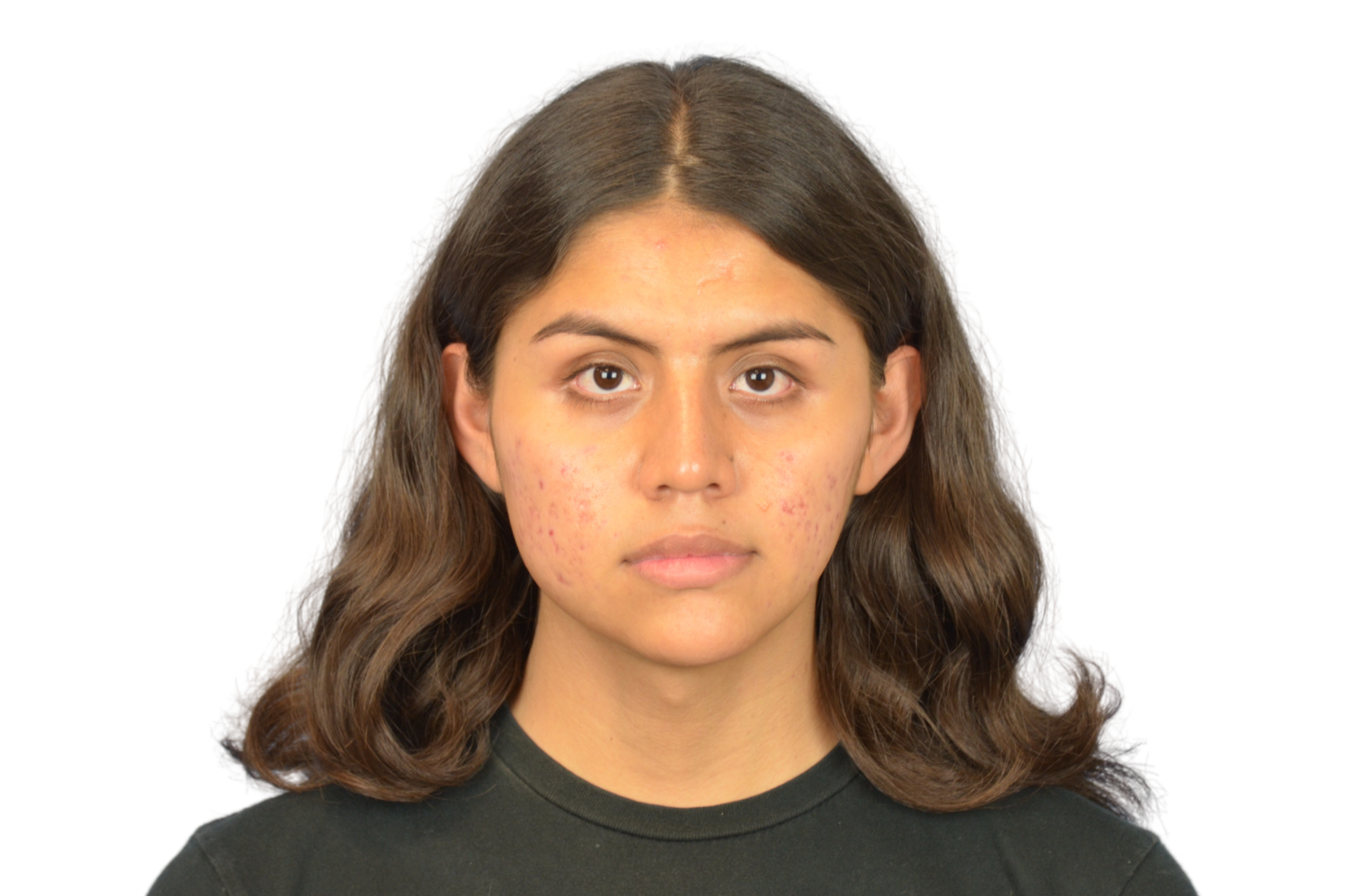
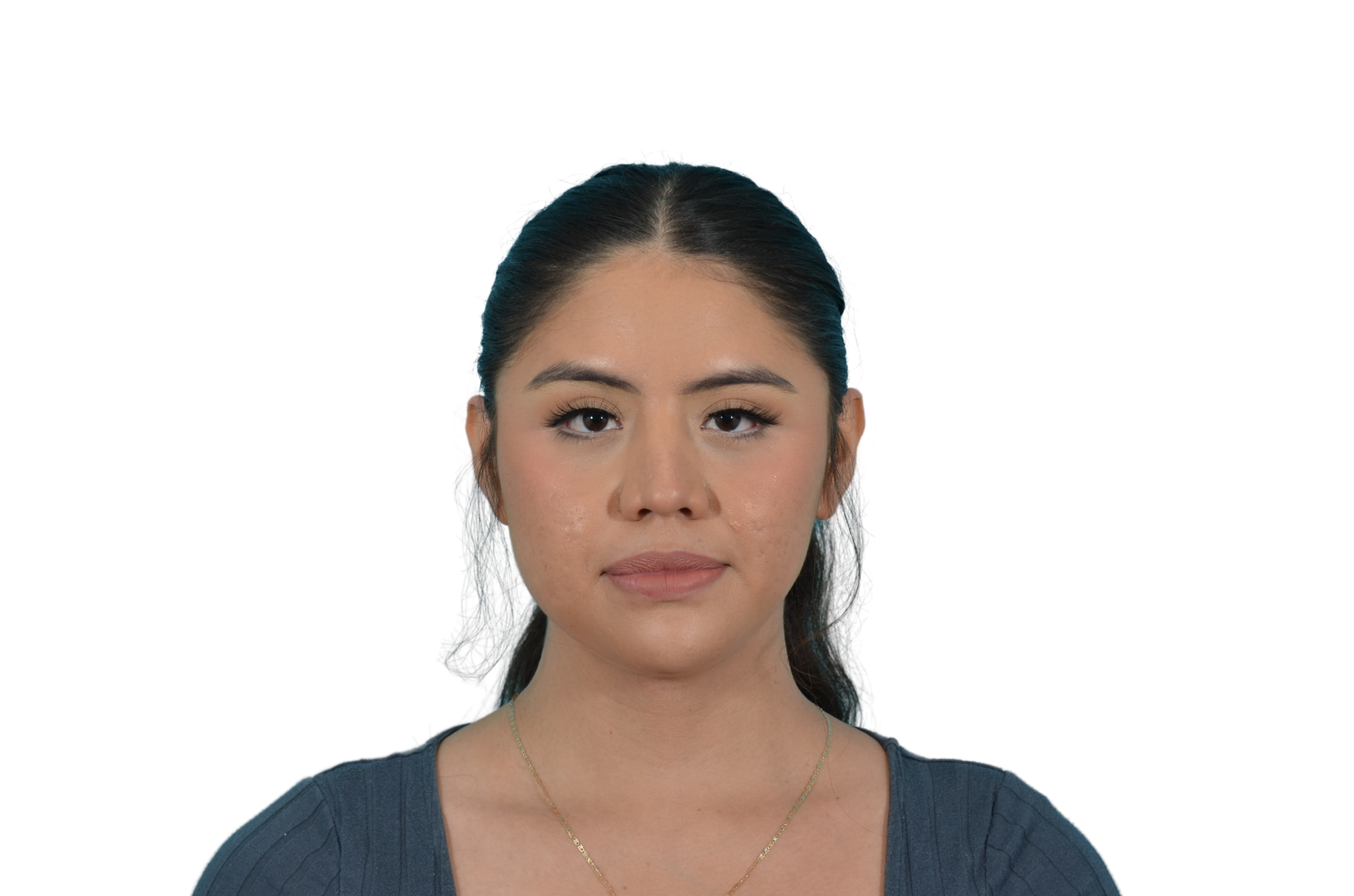
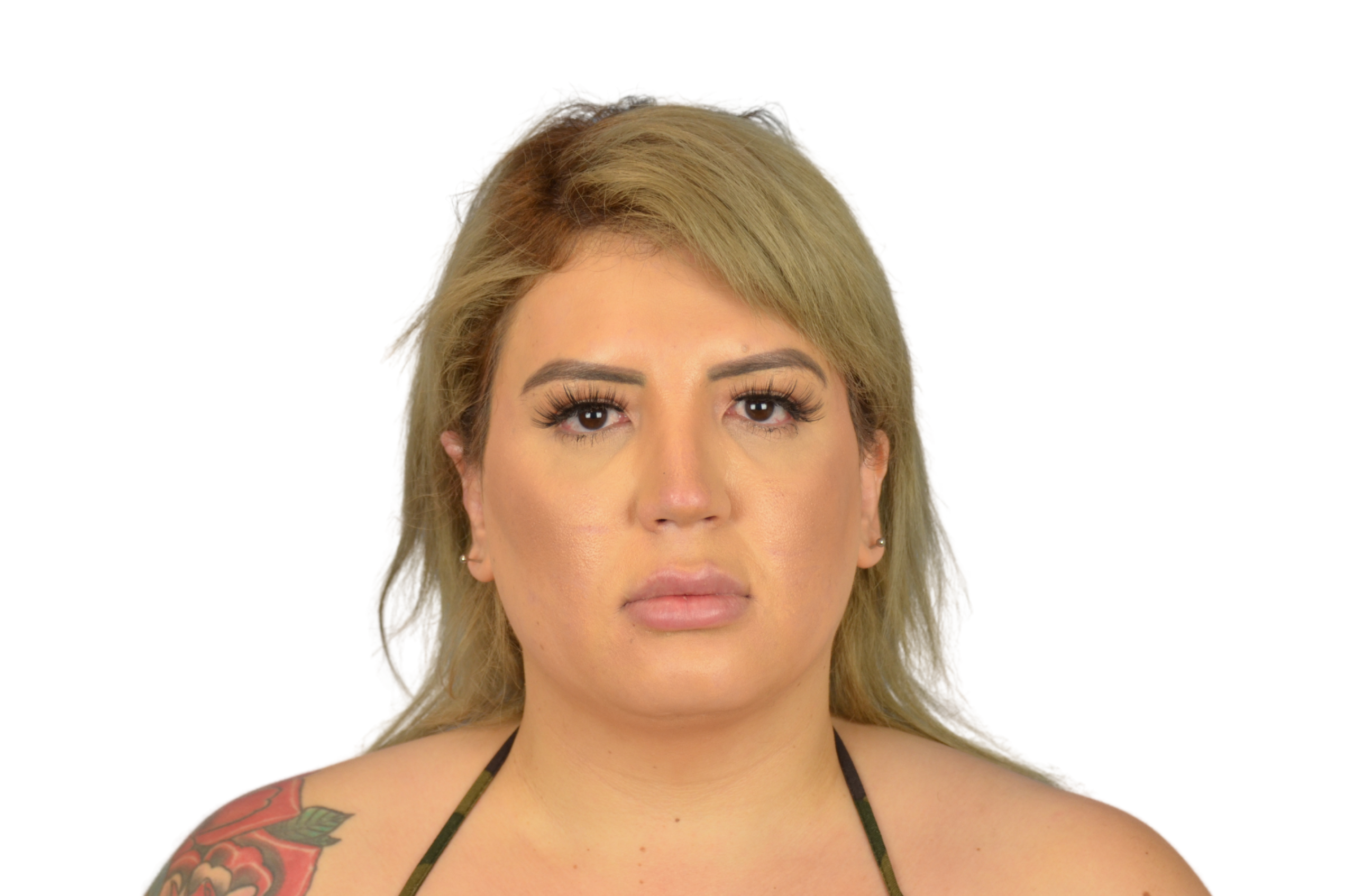
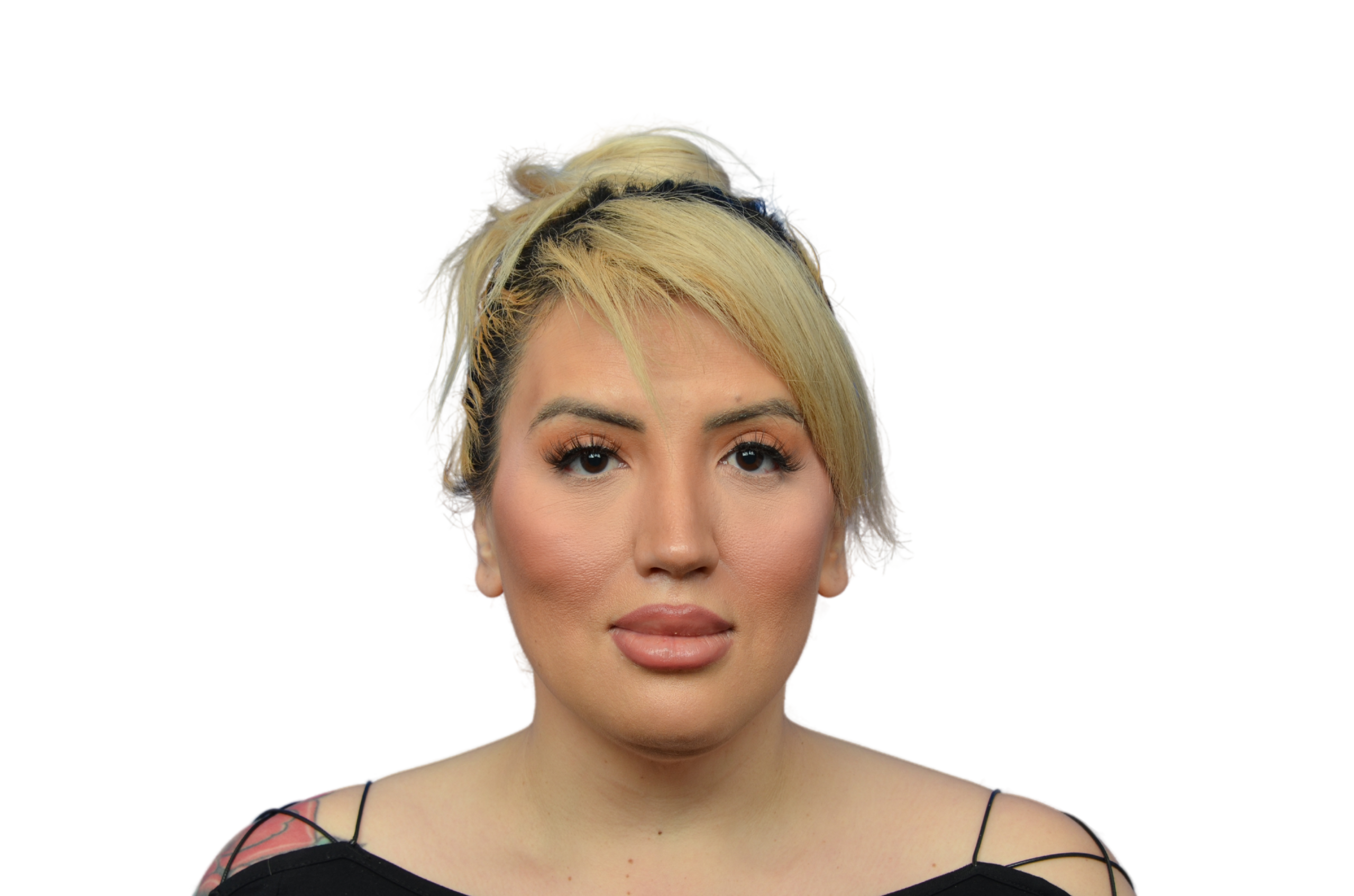
Patient 01
She describes her FFS experience as nothing short of life-changing. For the first time, her features finally reflect the woman she has always known herself to be.
Her transformation involved a thoughtfully coordinated combination of procedures, including forehead contouring, jaw and chin reshaping, and a tracheal shave to harmonize her profile. She also had a brow lift, upper lip lift, and a revision rhinoplasty.
Every step of her surgical plan was carefully tailored, ensuring the results felt natural and aligned with her identity rather than overdone. The outcome is a face that looks harmonious, feminine, and unmistakably her.
Today, she moves through the world with greater ease and confidence, finally feeling comfortable and at home in her own skin.













Who Needs Dramatic FFS Surgery?
If you’re considering whether dramatic FFS is the right choice for you, it can be helpful to reflect on what’s driving your discomfort and what kind of change you’re hoping to achieve.
People who choose comprehensive, full-face FFS are often those who feel that several areas of their face (not just one or two) are out of sync with their gender identity or how they want to be seen:
- For many transgender women, masculine-coded features like a prominent brow, square jaw, or wider nose can cause persistent dysphoria.
- Nonbinary people may seek a softer, more feminine presentation that better aligns with their identity.
- Some cisgender women pursue FFS to refine features they feel appear overly masculine and don’t match how they want to look or feel.
It’s important to note that dramatic FFS isn’t the only option. Some patients also choose to stage their procedures over time, based on personal goals, recovery considerations, or comfort level with surgery.
Because this type of surgery is more extensive and the recovery is longer, it’s essential that patients feel emotionally prepared and that you understand what the process actually involves.
Thoughtful consultation, realistic expectations, and stable mental well-being all play an important role in achieving a positive, supportive surgical experience.
Does FFS Surgery Feminize a Face?
Yes. FFS can absolutely feminize a face. That’s the entire purpose of FFS: to soften or remove masculine features and bring forward traits that are more traditionally feminine, all while helping your appearance align with your gender identity.
Beyond patient experience, research strongly supports the effectiveness of FFS.
A study published in Plastic and Reconstructive Surgery-Global Open found that both human observers and facial-recognition tools were significantly more likely to identify transgender women as female after FFS.
Additional research has shown similarly compelling results. In one study, the rate of correct gendering increased from 57.31% before surgery to 94.27% after surgery when viewers compared pre- and postoperative photos.
These findings reflect what many patients describe in their own lives: FFS can fundamentally change how the world perceives your face, often leading to greater comfort, confidence, and a stronger sense of alignment with who you are.
Can Females Get Facial Feminization Surgery?
Yes. Cisgender women can get FFS, and many do.
If you’re a woman who feels certain features look too masculine, sharp, or out of balance with the rest of your face, FFS can be an option for you just as it is for transgender and nonbinary patients.
FFS isn’t limited to people transitioning. Any healthy patient can choose feminizing facial procedures when their goal is a softer, more traditionally feminine appearance.
The focus of FFS isn’t on whether you’re cis or trans, but on which features you want to change and what kind of feminine balance you hope to achieve.
What Is Done in Facial Feminization Surgery?
FFS can target different parts of the face, and each region contributes in a unique way to creating a more feminine overall look.
Depending on your goals, you may only need one or two targeted procedures, or you may benefit from a combination that focuses on the upper, mid, or lower face—and, in some cases, the neck.
The following sections explain what each region typically involves, which masculine cues those procedures soften or refine, and how surgeons customize each technique to achieve balanced, natural-looking results that still feel unmistakably like you.
Forehead and Hairline Procedures
The upper third of your face carries some of the most expressed gender cues, which is why forehead and hairline procedures are often central to facial feminization surgery. Subtle differences in this area can have a powerful impact on how the face is perceived overall.
These procedures may include techniques like forehead contouring, brow ridge (frontal bossing) reduction, hairline lowering (scalp advancement) to create a more rounded, traditionally feminine hairline.
Brow lifts can help open and brighten the eye area, while hair transplantation may be used when additional refinement of shape or density is needed.
When thoughtfully combined, these techniques help soften prominent masculine features, brighten the eye area, and create a smoother, more naturally feminine frame for your face.
What Is Type 3 FFS?
Type 3 forehead feminization is the most advanced approach to reshaping the upper face. This technique is used when the brow ridge projects so far forward that simple bone shaving won’t create a feminine contour.
During Type 3 cranioplasty, your surgeon carefully removes the front wall of the frontal sinus (the anterior table), reshapes it, and sets it back before securing it with small plates.
This approach creates a smoother, softer forehead and reduces the heavy shadowing that can make the eyes look more masculine.
For comparison, Type 1 forehead surgery involves shaving down the brow ridge when the bone is thick enough and the sinus is small.
Type 2 is used when a setback isn’t needed, but the area above the brows looks flat or hollow. In those cases, your surgeon adds volume to create a gentle, feminine slope.
Frontal Bossing Reduction and Brow Lift
If you’ve ever felt that the area above your eyes looks too heavy or prominent, frontal bossing reduction is the procedure that helps soften that.
This technique works by smoothing the strong ridge of bone that can make the eyes look deep-set or shadowed, creating a forehead that feels rounder, lighter, and more naturally feminine. Frontal bossing reduction is most commonly performed via Type 3 cranioplasty.
Because brow position is such an influential factor in how a face is read, frontal bossing reduction is almost always paired with a brow lift.
A brow lift gently raises the eyebrows from a lower, flatter position to a slightly higher placement with a softer, more feminine arch. This adjustment can make a meaningful difference in facial expression without looking exaggerated.
Once the bone is contoured and the brows are lifted, the whole upper face tends to brighten: the eyes look more open, and that “tired” or “intense” expression many patients talk about starts to fade.
Together, frontal bossing reduction and a brow lift reshape one of the most influential gender-signaling areas of the face, helping create a balanced and affirming result.
Midface Feminization Procedures
The midface is an essential aspect of what makes your features look soft, balanced, and feminine. Subtle changes in this area can significantly influence facial harmony, expression, and how light moves across the face.
This area may benefit from procedures like feminizing rhinoplasty, cheek augmentation (with fat grafting or implants), and eyelid surgery (upper blepharoplasty or full four-lid surgery) to brighten and open the eyes.
Additional midface approaches may be used to smooth transitions between facial structures, restore youthful fullness, and create a more cohesive contour from the eyes to the cheeks and nose.
Below, we’ll walk through some of the most common options used to refine the center of the face and how they can be customized to support your individual goals.
Rhinoplasty for Facial Feminization
Feminizing rhinoplasty can be an important step in creating a facial profile that feels aligned with your identity. The goal is to shape a nose that looks natural, balanced, and harmonious with your unique features.
At FFS Institute, feminizing rhinoplasty is carefully planned to support overall facial proportions. For many patients, this may involve making the nose a bit smaller, softening sharper angles, and refining the tip to appear lighter and more delicate.
Some people also choose to smooth a dorsal hump or refine the bridge to make the profile look softer and more proportional. When nostrils feel wide or heavy, rhinoplasty techniques can be used to refine their shape and size to create a more graceful contour.
One thing Dr. Chen talks about often is how the nose doesn’t exist on its own. It interacts with everything around it.
The chin, jawline, forehead, and even the lips can change how the nose is perceived.
That’s why feminizing rhinoplasty is usually planned alongside other FFS procedures, such as chin contouring, to ensure the final result feels cohesive and naturally feminine from every angle.
Cheek Enhancement and Buccal Fat Pad Reduction
If you’ve ever pictured a classic, feminine, heart-shaped face, you’re probably imagining fuller cheekbones and a slimmer look through the lower cheeks. Together, these features can create a midface that looks lifted, balanced, and gently sculpted.
Cheek augmentation focuses on adding volume to the cheekbones, giving the midface a lifted, more defined contour. Depending on your facial structure and goals, this may be achieved using cheek implants, fat grafting, or other soft-tissue techniques.
On the other hand, buccal fat pad reduction gently removes some of the deep fat inside the lower cheeks. This technique helps slim the area below the cheekbones so the bone structure stands out more clearly.
Lower Face and Neck Procedures
The lower face plays a powerful role in gender signaling, which is why procedures in this area can have a significant impact on how feminine your overall profile feels.
This part of FFS can include jaw contouring, chin reduction, lip procedures, Adam’s apple reduction (tracheal shave), and neck refinement to soften strong angles and create a smoother, more tapered silhouette.
Together, these techniques help narrow a masculine jawline, refine chin shape, add gentle softness to the lips, and smooth the neck, allowing the lower face to align more closely with feminine facial proportions.
Chin Contouring (Genioplasty), Jaw Contouring, and Mandibular Procedures
If you feel like your lower face looks broad, square, or more masculine than you’d like, jaw and chin feminization can help soften sharp angles and create a narrower, tapered, heart-shaped contour more commonly associated with a feminine profile.
Jawbone reduction
Jaw contouring removes or reshapes excess bone to slim the lower face. This procedure involves refining the actual jawbone, especially the mandibular angles and lower border, to reduce width and create a smoother, more elegant silhouette.
Chin reduction and genioplasty
If your chin feels long, broad, or too prominent, genioplasty can be a thoughtful way to soften and rebalance the lower face. This procedure removes a small wedge of bone or repositions the chin segment to create a softer, narrower shape that blends naturally with a feminine lower face.
Chin augmentation when needed
Not everyone benefits from chin reduction. For some patients, enhancing the chin, rather than reducing it, creates better overall balance and proportion.
Augmentation can be done with subtle bone reshaping, implants, or a combination of techniques, depending on what best fits your facial proportions.
At FFS Institute, all jaw and chin contouring procedures are performed through minimal incisions inside the mouth. This approach allows precise reshaping while avoiding visible external scars.
Adam’s Apple Reduction (Tracheal Shave)
If the appearance of your Adam’s apple makes you feel self-conscious or less feminine, a tracheal shave can help create a smoother, more refined neck contour.
This procedure gently reduces the prominence of the thyroid cartilage, making your neck look smoother and more in line with a feminine profile.
Your surgeon makes a small incision in a natural crease of your neck to keep the scar as discreet as possible.
Through this tiny opening, the prominent part of the cartilage is carefully reduced to soften the contour while preserving normal function.
Most people recover relatively quickly after a tracheal shave. Mild discomfort is common for a few days, and temporary hoarseness or slight difficulty swallowing solid foods may occur until the swelling settles.
Because this area is delicate, it’s essential to work with someone who has deep experience around the larynx.
At FFS Institute, our specialists often operate in this region, which helps support both safety and natural-looking results.
Additional Feminization Procedures
Beyond bone contouring, many FFS plans include soft-tissue procedures that help fine-tune facial balance and expression.
These additional techniques provide subtle yet meaningful refinements—smoothing transitions, enhancing contours, and ensuring the final result feels cohesive and intentional rather than pieced together.
Liposuction and fat grafting (under the chin and along the jawline)
Liposuction and fat grafting are widely used in gender-affirming body contouring for transmasculine, transfeminine, and nonbinary individuals.
Liposuction under the chin or along the jawline targets excess submental fat to improve facial definition. The amount of facial fat present and the skin’s elasticity affect the effectiveness of this procedure.
Liposuction is most often done on the trunk to create a smoother, more defined contour, though it can also target areas like the arms or legs when there’s excess fatty tissue.
When desired, the fat removed through liposuction can be carefully processed and reinjected into other areas of the body.
In facial feminization, this often involves adding soft volume to the cheeks or midface to enhance fullness and restore gentle curves.
In transfeminine body contouring, some patients also choose fat grafting to areas such as the buttocks to support a more traditionally feminine silhouette.
Lip lift and lip augmentation
A lip lift reduces the distance between the nose and upper lip, giving the lips a softly lifted, more feminine look. This subtle adjustment can enhance lip shape and balance the lower face.
If you want more volume, you can also enhance the lips with implants, fillers, or fat transfer from another area of your body.
Feminizing earlobe reduction
Earlobes may seem like a small detail, but they also contribute to overall gender perception. Typically, men’s earlobes are longer and heavier.
A conservative earlobe reduction can bring the lower third of the face into better harmony and support a more feminine overall look. This procedure is often performed alongside a facelift or neck procedure to create a balanced, refined result.
What Is the Ideal Age for FFS?
Most surgeons recommend waiting until at least age 18 before undergoing facial feminization surgery.
This guideline reflects both ethical and medical considerations, as FFS can involve permanent changes that require full informed consent, emotional readiness, and a stable sense of gender identity.
FFS for transgender adolescents is widely considered controversial.
In dramatic, full-face plans that include the forehead, jaw, and chin, surgeons must be confident that a patient has reached sufficient physical maturity and can fully participate in the decision-making process.
From a medical standpoint, this caution is essential. Research shows that facial growth peaks in the mid-to-late teens (around 16 to 18 for most males and 14 to 16 for most females).
Beyond these considerations, there isn’t one “perfect” age for FFS. What matters most is that you’re an adult, medically healthy enough for surgery, emotionally prepared for the process, and clear about what you hope to achieve.
Readiness looks different for everyone—and taking the time you need to feel informed, confident, and supported is not only normal but important.
Can I Have a Facelift at the Same Time As My Facial Gender-Affirming Surgery?
Yes. Many patients choose to combine a facelift or neck lift with FFS. For the right candidate, this approach can help create a more cohesive and naturally feminine result.
As we age, the cheek tissues naturally descend. This shift can add fullness along the jaw and neck, sometimes making the lower face appear wider or heavier.
In addition, after jaw or chin contouring, temporary swelling and changes in tissue support may cause the overlying skin to feel looser or less defined.
A facelift or neck lift can address these concerns by lifting and repositioning the soft tissues, refining the jawline, and smoothing the neck.
Together, these improvements help the feminine shape created with bone contouring—especially that tapered, heart-shaped look—come through more clearly and beautifully.
What’s the Difference Between Doing Facial Feminization Surgery in One or Two Stages?
When planning facial feminization surgery, there are generally two approaches to consider. You can have all procedures done in one comprehensive surgery, or you can space them out over multiple stages.
Each option has its own benefits, and the right choice depends on your goals, health, and personal comfort level.
- Single-session FFS
Having all your procedures at once typically shortens your overall recovery time and may even lower total costs since you’re only paying for one round of anesthesia and facility fees.
The tradeoff is that a single-session approach involves a longer, more complex surgery, which can increase the intensity of recovery and the overall surgical risk. - Staged FFS
With a staged approach, procedures are spread out over two or more surgeries. This gives your soft tissues time to heal between major procedures and may help reduce issues such as excessive swelling or prolonged exposure to anesthesia.
Staging can also offer flexibility. As your face heals and settles, you and your surgeon may have the opportunity to fine-tune or adjust the plan for later stages.
Ultimately, there’s no right or wrong choice. The best approach is the one that aligns with your medical needs, aesthetic goals, and what feels most manageable and reassuring for you.
What You Should Look for in a Facial Feminization Plastic Surgeon
Facial feminization surgery isn’t just about technical skill—it requires a nuanced understanding of gendered facial anatomy, aesthetics, and patient-centered care.
The latest Standards of Care (Version 8) from the WPATH (World Professional Association for Transgender Health) emphasizes that surgeons performing gender-affirming procedures should have specialized training, demonstrated competence, and a commitment to ongoing education.
These guidelines exist to help protect patients and ensure the highest standard of care.
In practical terms, this means FFS should never be something a surgeon only “occasionally” offers. Because these procedures are complex and highly specialized, they require focused expertise, consistent experience, and a thoughtful, individualized approach.
To help you feel more confident in your decision, here’s a checklist you can use to evaluate whether a surgeon is truly qualified to provide facial feminization care.
| Key Qualifications | What to Look For |
| Relevant Board Certification | Board certification in facial plastic surgery or otolaryngology–head and neck surgery Membership in respected professional organizations such as AAFPRS (American Academy of Facial Plastic and Reconstructive Surgery), ACS (American College of Surgeons), or AAO-HNS (American Academy of Otolaryngology-Head and Neck Surgery) |
| FFS Specialization and Real-World Experience | A surgeon who specializes in facial feminization (not someone who only offers FFS as an occasional extension of general cosmetic work) and performs a high volume of upper-, mid-, and lower-face FFS procedures. |
| Facial and Craniofacial Anatomy Expertise | Training in facial plastic surgery, craniofacial surgery, or oral-maxillofacial surgery Hands-on experience operating on facial bones and complex areas such as the frontal sinus, jaw, or larynx |
| Alignment With Gender-Affirming Care Standards | Someone who listens first, takes your goals seriously, and understands how gender dysphoria can affect your confidence, comfort, and daily life A practice that openly supports transgender and nonbinary patients through inclusive language, respectful policies, and a welcoming atmosphere |
| Before-and-After Photos and Patient Testimonials | Consistent results from actual FFS patients Feedback that highlights clear communication, technical surgical skill, and a sensitive, affirming approach |
| Accredited Facilities and Hospital Privileges | A surgeon who operates in fully accredited surgical centers or hospitals Ideally, affiliations with respected medical institutions |
| Ongoing Learning and Thought Leadership | Active involvement in research, conferences, publications, or teaching Evidence that they contribute to the advancement of facial plastics or gender-affirming surgery |
Craniofacial Training and Expertise
Effective facial feminization depends on a deep understanding of the anatomical differences between typically male and female facial bones, as well as the ability to apply precise, region-specific craniofacial techniques.
This level of detail is what allows for meaningful, balanced, full-face transformation—rather than isolated cosmetic changes.
Because of this, transgender patients often benefit most from working with surgeons who have advanced, specialized training in facial surgery, not only a general plastic-surgery background.
Surgeons like Dr. Henry Chen, whose background extends beyond general plastic surgery, bring the focused expertise needed to address complex bone structure safely and thoughtfully. That specialized training helps ensure results that feel cohesive, natural, and truly affirming.
Study of Feminine Gender Expression and Aesthetic
Understanding how the human brain reads gender is a critical part of FFS. Feminine gender expression isn’t defined by a single feature. Instead, it emerges from a careful balance of facial proportions, soft-tissue contours, and subtle cues that instantly influence how others perceive your face.
Surgeons who specialize in FFS have to understand these nuances in a deep, intentional way.
Psychological research supports this approach as well. Studies on sexual dimorphism (the structural differences between typically male and female faces) show that these traits play a major role in how people subconsciously interpret attractiveness and gender.
These differences develop during puberty and continue to shape how the face communicates gender throughout adulthood.
At FFS Institute, this kind of gender-aware aesthetics is woven into everything we do. The goal isn’t just surgical change—it’s helping you feel fully seen, understood, and affirmed.
Experience With Transgender Patients
A surgeon’s experience working with transgender and gender-diverse patients has a direct impact on your safety, your comfort, and how supported you feel throughout the entire journey.
Surgeons who truly specialize in gender-affirming care understand not only the medical considerations involved but also the lived experiences and communication styles that help trans patients feel safe, respected, and understood.
That understanding is foundational to the work of Dr. Henry Chen, who built FFS Institute with a clear purpose: to create a space where transgender and gender-diverse patients are met with compassion, affirmation, and thoughtful care at every step.
Here, you’re not just a surgical case. You’re a whole person with a story, an identity, and a journey that deserves to be seen and honored throughout your care.
What Does the Consultation and Follow-Up Look Like?
Your FFS journey starts long before you enter the operating room. The consultation and follow-up process is designed to help you feel informed, understood, and completely supported from the very beginning.
During this stage, you’ll have the opportunity to talk openly about your goals, review your facial anatomy in detail, and get a clear picture of what your personalized surgical plan might look like.
You’ll also learn exactly what to expect before and after surgery, so nothing feels uncertain or overwhelming.
Initial Consultation and Assessment
Your consultation is designed to feel welcoming, clear, and supportive from the very first step. From the moment you reach out, our team focuses on helping you feel comfortable and informed.
After your initial inquiry, Meghan, our front office coordinator, will call to schedule your visit and send a warm welcome email introducing you to our team.
Before your appointment, you’ll also connect with Emmy, our patient care coordinator. During a pre-consultation call, she’ll walk you through the process, answer questions, and serve as your primary point of contact from planning through recovery.
During the consultation itself, you’ll sit down with your surgeon to talk openly about your goals, concerns, and what feels most important to you.
We’ll take standardized photos, review similar before-and-after cases, and may use morphing software to explore possible outcomes together.
Once your surgeon creates a tailored plan, Emmy will review scheduling details, logistics, and financial considerations with you to ensure everything is clear and manageable. When you’re ready, we’ll reserve your surgery date.
Before surgery, you’ll return for a preoperative visit focused on preparation and peace of mind. We’ll review each step of the procedure and recovery process, answer any remaining questions, and make sure you feel confident, informed, and supported as you move forward.
Facial CT Scan and Surgical Planning
One of the key reasons modern facial feminization surgery is so precise is the use of Virtual Surgical Planning (VSP).
With a detailed facial CT scan, we can study your unique bone structure—including your forehead, orbital rims, jawline, and chin—down to the millimeter.
This level of detail allows us to clearly identify where contouring will be most beneficial, long before you ever enter the operating room.
Rather than making estimates during surgery, Dr. Chen can carefully analyze your anatomy, try out different contouring strategies digitally, and design a plan that looks natural, balanced, and aligned with your goals.
Preoperative and Postoperative Care
Before your surgery, we’ll help you get fully prepared—medically, logistically, and emotionally—so you can move into your FFS experience feeling confident and supported.
Medical clearance and medication planning
You’ll need medical clearance from your primary care provider to confirm you’re safe for anesthesia. This usually includes basic labs and an ECG (electrocardiogram).
During this stage, you and your surgeon will review every medication and supplement, allowing us to adjust anything that could interfere with healing or recovery.
Your post-op care
Your recovery begins immediately, and we stay closely connected with you during those first critical days to make sure you feel supported, safe, and cared for.
- Day-after check-in:
Your surgeon will see you the very next day (either in the office or at your aftercare facility) to check your comfort, ensure your pain is well controlled, and confirm that healing is progressing as expected. - Daily support
Emmy, your care coordinator, will check in with you frequently to answer questions and monitor your recovery. Around day seven, you’ll return for suture removal and a detailed wound evaluation to make sure everything is healing properly. - Long-term follow-up:
We typically schedule visits at 1, 3, 6, and 12 months after surgery. Because healing continues beneath the surface for many months, these appointments are an important part of ensuring your results continue to develop smoothly and as planned.
And between visits?
You can call or text us any time. If something feels off or you need reassurance, we’re here. We can see you right away, evaluate what’s going on, and support you through anything unexpected.
Throughout every stage—every question, every concern, every milestone—we walk with you, offering guidance, reassurance, and care along the way.
How Long Is the Recovery Period After Dramatic FFS Surgery?
Recovery after facial feminization surgery looks a little different for everyone, and that’s completely normal. Your body, your procedures, and your healing pace are uniquely yours.
Still, most patients tend to follow a similar overall timeline. Here’s a clearer, more approachable sense of what to expect after facial feminization surgery at FFS Institute.
Immediate Recovery (First 2 Weeks)
When you wake up from general anesthesia, you’ll have bandages and, in some cases, splints, depending on which procedures were performed.
Bruising, swelling, and a small amount of oozing are completely normal during this stage. The good news is that most incisions seal within about a week.
You’ll likely feel pressure or soreness, especially if you had several areas treated, but pain is usually very manageable with medication.
Most patients use prescription pain relief for the first four to five days, then transition to over-the-counter options like Tylenol or Advil.
It’s also normal for your face and neck to look quite puffy at first, with swelling often settling around the jaw and neck as gravity pulls fluid downward.
During these early days, you’ll need to sleep with your head elevated and avoid any strenuous activity. These simple steps help reduce swelling, protect your healing tissues, and support a safer, more comfortable recovery as your body begins to heal.
Ongoing Recovery (2 Weeks to 6 Months)
If you’ve had lower-face work, Dr. Chen will usually have you wear a compression garment for about eight hours a day during the first month.
Swelling gradually improves during this stage, though some lingering puffiness is completely normal. Many patients even start to catch early glimpses of their new features as things settle.
Around the two-week mark, most people can resume light work and activities with their surgeon’s approval. Many also feel comfortable being out in public again, even with some visible swelling.
The transformation becomes much more noticeable between three and six months, but the full result takes time.
Final results usually appear around the one-year mark, once swelling has resolved and both bone and soft tissue have fully settled.
Managing Pain and Discomfort
Most people don’t feel any pain during facial feminization surgery because everything is done under general anesthesia.
When you wake up, however, it’s completely normal to notice some discomfort as swelling and inflammation begin to set in.
Patients often describe this sensation as pressure, fullness, or a headache-like feeling rather than sharp pain. If your surgery included work inside the mouth, some tenderness in that area is also expected and typically improves steadily.
The reassuring news is that pain is usually very manageable. Most patients do well with a combination of Tylenol and Advil, and only need prescription pain medication for the first few days.
By day four or five, most people notice a steady improvement and start feeling much more comfortable.
At FFS Institute, every FFS procedure is performed in an accredited surgical center by a dedicated surgical and recovery team following a structured postoperative protocol.
You’re never left to navigate recovery on your own. From the moment you wake up, we closely monitor your progress, provide ongoing support, and guide you step by step as you move safely into healing.
Long-Term Results and Final Outcomes
Research consistently shows that many people feel more confident and satisfied with their appearance after facial feminization surgery.
In an international multicenter study published in Plastic and Reconstructive Surgery, patients’ facial feminization scores increased from a median of 47.2 before surgery to 80.6 at six months or later, a clear shift toward a more feminine facial perception.
Another study using the FACE-Q patient-reported outcomes tool found that transfeminine patients who had FFS reported greater satisfaction with their overall facial appearance compared to those on hormones alone.
Several key factors tend to influence how satisfied patients feel with their facial feminization results. While every experience is unique, understanding these elements can help set realistic expectations and support a more positive journey overall.
- How many areas are treated: People who address the upper, mid, and lower face often report the highest satisfaction.
Treating multiple regions together allows more gendered features to be harmonized at once, leading to a more cohesive and balanced outcome. - Timing and age: Younger patients and those who move forward with FFS sooner after deciding are more likely to report higher satisfaction scores.
Earlier treatment can allow changes to settle and integrate more naturally over time. - Surgeon experience: Results are better when your surgeon specializes in FFS and understands bone work, soft tissue, and gendered aesthetics.
- Emotional readiness and expectations: Knowing what to expect and feeling supported throughout the process make the experience smoother and more empowering.
- Individual healing: Swelling, tissue response, and scar maturation vary from person to person, especially after multi-area surgery.
What Are the Risks and Complications of Dramatic FFS Surgery?
FFS is generally very safe in the hands of a qualified specialist, but, like any surgery, it carries potential risks.
At FFS Institute, we believe in being open and transparent about those possibilities so you feel informed, prepared, and supported from start to finish.
We’ll also guide you through clear, practical steps to take before and after surgery to help keep your risks low and your recovery smooth.
General Surgical Risks
Possible general surgical risks may include:
- Bleeding
- Infection
- Injury to nearby structures in the area being operated on
Adverse reactions to the anesthesia
Your surgical team takes many precautions to minimize these risks, including careful preoperative screening, meticulous surgical technique, and close postoperative monitoring.
Open communication and thorough planning help ensure your safety and support a smooth recovery every step of the way.
Procedure-Specific Complications
Some potential risks are more specific to facial feminization surgery and depend on the exact procedures performed. While these complications are uncommon, it’s important to understand them so you feel informed and prepared.
- Visible scarring, depending on incision placement and individual healing
- Temporary or, rarely, lasting nerve changes, which can affect facial movement or sensation
- Incisions reopening during healing (called dehiscence)
- Fluid buildup under the skin (seroma)
- A firm, swollen area caused by trapped blood (hematoma)
- Temporary voice or swallowing changes after a tracheal shave
- Prolonged swelling, especially around the jawline and neck, after bone contouring
These risks are uncommon, but understanding them helps you feel more prepared and lets us take the proper steps together to reduce them.
How to Minimize Risks
FFS is permanent, and true “do-overs” are rare.
Because the surgery reshapes bone and soft tissue in ways that last a lifetime, revision can be challenging, and in some areas, impossible. Getting it right the first time is crucial.
Working with an experienced FFS specialist is one of the most effective ways to reduce risk. Surgeons who perform facial feminization surgery regularly are better prepared to manage the complexity of these procedures and to anticipate potential challenges before they arise.
In contrast, limited experience can increase the likelihood of avoidable complications, both aesthetic and functional. FFS isn’t just about appearance—it’s about harmonizing the entire face while preserving functions such as breathing, sensation, and long-term bone stability.
Without specialized training, the risk of asymmetry, overcorrection, undercorrection, or functional issues (like breathing problems after rhinoplasty) can be higher.
Choosing a surgeon with true, dedicated expertise in facial feminization surgery is the most reliable way to minimize risks and set yourself up for results that feel natural, aligned, and long-lasting.
What Is the Regret Rate for Facial Feminization Surgery?
Regret rates for gender-affirming surgery, including FFS, are extremely low. Extensive studies consistently report regret rates under 1%.
That number reflects something important: The overwhelming majority of well-prepared patients feel satisfied with their decision.
At FFS Institute, this level of satisfaction is intentional. Every step of the process is designed to prioritize your safety, comfort, and long-term well-being, from the first consultation through recovery and beyond.
Dr. Chen’s approach centers on natural, identity-aligned results and compassionate, honest communication. It’s one of the reasons he received the
Gordon Award for Exceptional Customer Service and Patient Satisfaction.
As Dr. Chen often reminds patients, surgery can change your outward appearance, but when the work is thoughtful, precise, and true to who you are, the internal shift in confidence and ease can be just as meaningful.
Is Facial Feminization Surgery Worth It?
At FFS Institute, we design every treatment plan with two priorities in mind: helping you look the way you wish to be seen and supporting your overall well-being throughout the process.
Facial feminization can offer aesthetic and emotional benefits:
- Softer, more feminine features
FFS can gently reshape or refine areas like the forehead, brow, nose, cheeks, lips, jaw, or chin to soften masculine cues and create a naturally feminine appearance. - Better alignment with gender identity
For many patients, FFS is a decisive step toward having their outward appearance match who they’ve always known themselves to be. This alignment can bring a deep sense of relief and affirmation. - Natural-looking results
Our approach emphasizes harmony and proportion. The goal isn’t to change who you are, but to help your features come together in a way that still looks like you. - A more refreshed, youthful appearance
When a surgical plan includes rejuvenating procedures like a facelift or skin tightening, many patients notice that feminization also brings a brighter, more refreshed look overall. - Fully customized treatment plans
You and your surgeon work closely together to decide which features to address and how subtle or significant you want the changes to be. Nothing is cookie-cutter. - Long-lasting changes
Because FFS reshapes bone and soft tissue, the improvements are permanent once healing is complete. - Improved confidence and emotional well-being
When your face aligns with your identity, it often becomes easier to feel grounded, confident, and fully at home in yourself.
Cost and Insurance Considerations for Dramatic FFS
Costs vary widely, and insurance coverage rules often feel confusing, especially when it’s not immediately clear what insurers consider medically necessary. Many patients don’t get clear answers until they begin the process, which can understandably feel overwhelming.
The good news is that you don’t have to navigate any of this alone. Whether you’re paying out of pocket, using insurance, or combining savings with financing, we’ll walk you through each step so you know exactly what to expect.
How Much Does Facial Feminization Cost?
The cost of facial feminization surgery can vary significantly, depending largely on how many areas you choose to address and how comprehensive your plan is.
For patients paying out of pocket, total costs range from approximately $50,000 to $100,000 (or higher), depending on the scope and complexity of the procedures.
A full FFS at the Institute may cost over six figures.
Below is a general overview of typical non-insurance costs by facial region:
- Upper third (hairline, forehead contouring, brow work): $10,000 to $50,000
- Middle third (nose, cheeks): $6,000 to $18,000
- Lower third (lips, jaw, chin, neck): $4,500 to $50,000
The higher overall cost doesn’t have to get in the way of your dream transformation. Despite the investment involved, PPO (Preferred Provider Organization) insurance acceptance can make the path forward feel more manageable.
Does Insurance Cover Facial Feminization Surgery?
Insurance may cover facial feminization surgery, but it really depends on your specific plan and how your insurer defines medical necessity. While the process can feel confusing at first, there has been meaningful progress in recent years.
Many gender-affirming procedures, including FFS, are now recognized as medically necessary for trans and nonbinary patients, especially in states like California.
When the proper documentation is submitted, private insurance plans in these states will often approve at least part of an FFS treatment plan.
Reputable medical organizations support this shift.
As far back as 2016, the WPATH Board of Directors urged U.S. insurers to remove exclusions for transgender patients and cover medically necessary gender-affirming care.
The University of California, San Francisco (UCSF) reinforces this stance, noting that a wide range of gender-affirming interventions are formally recognized as medically necessary.
That said, most insurance companies don’t publish a clear list of “covered FFS procedures,” which can make the process feel confusing.
In practice, insurers are most likely to approve procedures that are clearly linked to treating gender dysphoria.
This is why detailed documentation matters, and why approval is often sought for individual procedures rather than for FFS as a single, bundled request. A typical insurance approval process may include:
- Obtaining a support letter from a mental health provider
- Submitting that letter along with your surgeon’s treatment plan
- Reviewing your policy for any exclusions related to gender-affirming care
- Allowing for some back-and-forth before the final decision
It can feel overwhelming to navigate all of this on your own, but you don’t have to. At FFS Institute, our team helps you gather the required documentation, understand insurer requirements, and move through the approval process as smoothly and clearly as possible.
Financing Options
| Payment Option | How It Works |
| Financing Plans | Many patients choose to use medical financing companies like CareCredit to make the cost of facial feminization surgery more manageable by spreading payments out over time. These programs may offer fixed, variable, or even promotional no-interest terms depending on the lender. |
| Cash Pay (Self-Pay) | Paying fully out of pocket can offer the greatest flexibility in choosing your surgeon, scheduling your procedure, and customizing the entire surgical plan without insurance limitations. |
| Other Financial Support: Grants, Crowdfunding and Mutual Aid | Some patients turn to mutual aid or crowdfunding, whether by sharing their story on Instagram or Facebook or by using platforms like GoFundMe or Kickstarter. Certain nonprofits also offer grants or pro bono surgical opportunities. |
Nonsurgical Procedures for Facial Gender Affirmation
We also offer nonsurgical and minimally invasive options if you’re looking for a gentler way to soften certain features or enhance the results of your facial feminization surgery.
These treatments won’t reshape bone the way full FFS does, but they can add softness, balance, and refinement in ways that support a more feminine overall look.
Here’s how these nonsurgical options can help:
- Fillers and fat-based volume treatments
These can add fullness to areas that typically read as feminine, including the cheeks, lips, temples, and under-eye region. While fillers aren’t permanent, they can offer meaningful contour changes that last one to two years. - Neuromodulators like BOTOX®
Relaxing specific facial muscles can soften harsh expressions, smooth dynamic lines, and, when used in the masseter muscles, even create a slimmer-looking lower face. - Skin-resurfacing treatments
These treatments brighten the skin, soften texture, improve fine lines, and give the face a smoother, more polished appearance that often aligns with a feminine aesthetic.
It’s also important to be realistic about what nonsurgical treatments can’t do. They won’t narrow a jaw, reduce a prominent brow bone, move hairline, reshape the nose, or minimize an Adam’s apple.
Think of these treatments as supportive tools. They can enhance femininity and maintain results, but they’re not a substitute for the structural changes of surgical FFS when a true transformation is the goal.
Hormone Therapy and FFS Timing
Reputable guidelines recommend giving hormone therapy a minimum of 12 months to take effect before deciding on surgery.
This window lets you (and your surgeon) see how much soft-tissue feminization your face achieves naturally, such as increased cheek fullness, changes in fat distribution, and subtle softening around the eyes and jaw.
It’s important to remember that the effects of hormone replacement therapy (HRT) vary widely from person to person. Factors such as genetics, age at hormone initiation, and overall body composition influence how quickly and how strongly you respond.
Many younger women notice more dramatic changes, while older transgender women tend to see slower or smaller shifts over time.
Giving HRT adequate time helps ensure that any surgical plan is based on your face as it truly is, allowing for more thoughtful, personalized decisions that support the best possible outcome.
Real Patient Results and Testimonials
Hearing from others who have walked this path can be incredibly reassuring. Read how patients cared for by our team at FFS Institute describe feeling more comfortable, confident, and at home in their own reflections.
Down to Earth Surgeon
“Great surgeon and communicates well. Having my FFS (Facial Feminization Surgery) with him has been great.
Aside from having to wait for insurance approval letters (not his fault), it has been a great experience overall.
Dr. Henry Chen is the most down-to-earth when talking to him. I have social anxiety, so talking to people is scary, let alone trying to ask or say anything about surgery. However, he makes you feel safe that you have no problem conveying what you need.”
Valerie Vielmas
Empathetic, Intelligent, and Knows His Craft Well
“Dr. Chen is an amazing human being! He has insane surgical talent and the personality of an angel. Empathetic, intelligent, and knows his craft well. My FFS exceeded my expectations.
I have to blink multiple times when I look at the mirror because of how beautiful I look after surgery. Please, please, if you are a transgender woman or trans feminine human being, come to Dr. Chen for FFS.”
Makayla Hedonia
Frequently Asked Questions About Dramatic FFS
1. Is facial feminization permanent?
Yes. FFS delivers permanent results by reshaping the underlying bone and structural framework of your face. These feminizing changes don’t fade or “wear off” with time.
What continues to change, though, is the soft tissue on top of that structure. Like anyone else, your skin, fat, and muscle will age naturally. Cheeks may lose volume, tissue may shift slightly, and areas like the jaw or neck can relax over the years.
Even long-lasting treatments like fat transfer can gradually diminish over time as part of the normal aging process.
Because the foundation of your face stays feminine, some people choose minor touch-ups later, such as fat grafting and skin-tightening, to maintain the look they love over time.
2. How much does dramatic FFS cost?
The cost of FFS can vary widely depending on how many procedures you’re having and which areas of the face you want to address.
That said, comprehensive FFS plans in Beverly Hills can cost $100,000 or more.
For patients paying out of pocket, prices typically range from $50,000 to $100,000.
With PPO (Preferred Provider Organization) insurance acceptance, many patients can move forward with care more confidently.
3. Does facial feminization surgery hurt? How painful is the surgery?
Like with any surgery, some discomfort is expected afterward—but for most patients, it’s far more manageable than they initially fear.
Clinical data helps put this into perspective. In a study that involved 74 FFS patients, the average early postoperative pain score was 4.3 out of 10, and there was no significant difference between people who had “partial” FFS versus full-face surgery.
That tells us that even more comprehensive procedures don’t necessarily mean more pain.
Most patients only need more potent pain medication for the first few days.
After that, discomfort usually shifts into a sensation of soreness, tightness, pressure, or swelling rather than sharp pain. As bruising and swelling gradually subside, this discomfort continues to improve day by day.
4. Can I continue to smoke cigarettes before facial feminization surgery?
We tell patients to avoid smoking at least four weeks before FFS, and this recommendation is rooted in patient safety. Smoking significantly increases the risk of wound healing complications, infections, skin necrosis, and delayed bone healing.
5. Do I need to stop estrogen before surgery?
We ask that patient stop estrogen 2-4 weeks prior to surgery and resume it 2 weeks after surgery to minimize the risk of blood clots in the perioperative period.
6. When should I get FFS?
FFS has no universal “right” age, but timing does matter—for safety, healing, and achieving the best possible results. In general, FFS is considered an adult procedure, with most surgeons requiring patients to be at least 18 years old.