A Complete Guide to Procedures, Cost, and Recovery
If you’re exploring facial feminization surgery (FFS), you may be carefully considering how your chin and jaw affect your overall facial balance and whether surgical reshaping is the right next step.
Because these procedures invlove permanent changes to the bone structure, it’s natural to want clear, reliable information before moving forward. The surgeon you choose plays a critical role in both your outcome and overall experience.



Dr. Chen brings extensive qualifications to every surgical procedure, including:
- Nearly two decades of experience performing facial feminization surgery, with more than 1,000 procedures completed
- Double board certification, with advanced fellowship training in facial plastic and reconstructive surgery and otolaryngology
- National recognition for surgical excellence, including honors such as Los Angeles Magazine Top Doctor and Southern California Super Doctor
Chin surgery and lower face feminization require precise control of the mandible and chin bone, careful protection of the mental nerves, and a surgical plan that works in harmony with the rest of your facial features.
This level of detail is what defines Dr. Henry Chen’s approach.
At FFS Institute, we guide our patients through each phase of care—from imaging and preoperative planning to surgery, postoperative support, and ongoing follow-up.
We provide clear explanations of chin reduction, jaw contouring, and how chin feminization surgery can be combined with other procedures to achieve balanced, natural-looking results.
Our goal is to walk you through the essentials—the available techniques, safety considerations, recovery expectations, and financial planning—so you can move forward with confidence and clarity.
If you’d like personalized guidance, you can schedule a consultation with Dr. Henry Chen and the FFS Institute team by calling (310) 237-1392 or completing the Contact form.
Key Takeaways
What Is Chin Feminization Surgery?
Chin feminization surgery is a gender-affirming surgical procedure conducted as part of facial feminization surgery (FFS).
It focuses on reshaping the underlying bone structure—most often through bone shaving and, in some cases, implants—to support these differences while improving overall facial symmetry.
Chin surgery is often performed alongside jaw contouring because the chin and mandible function as a single visual unit. Addressing only one area can leave the lower face looking unbalanced.
In facial feminization surgery, lower face procedures are among the most commonly performed, with chin feminization included in a significant percentage of FFS surgical plans.
At FFS Institute, chin feminization surgery is led by Dr. Henry Chen, a double board-certified facial plastic surgeon with over 1,000 successful facial feminization procedures completed.
His approach emphasizes careful planning, precise execution, and outcomes designed to remain stable over time.
How Does Chin Recontouring Feminize the Face?
Chin recontouring feminizes the face by changing how light, shadow, and proportion are perceived across the lower face.
Reducing chin width softens the horizontal line of the jaw. Adjusting the projection helps the chin sit more naturally in profile, while smoothing sharp angles creates a gentler lower face profile.
Before surgery, a wider or more prominent chin can visually anchor the lower face and draw attention downward. After chin feminization, the lower face typically appears narrower and more tapered.
The goal isn’t to create the smallest chin possible, but to achieve a more feminine lower face that harmonizes with the rest of the facial features.
At FFS Institute, chin recontouring is planned with the full facial structure in mind, rather than as an isolated change. Surgical decisions are guided by imaging, anatomical landmarks, and proportional analysis—not one-size-fits-all templates.
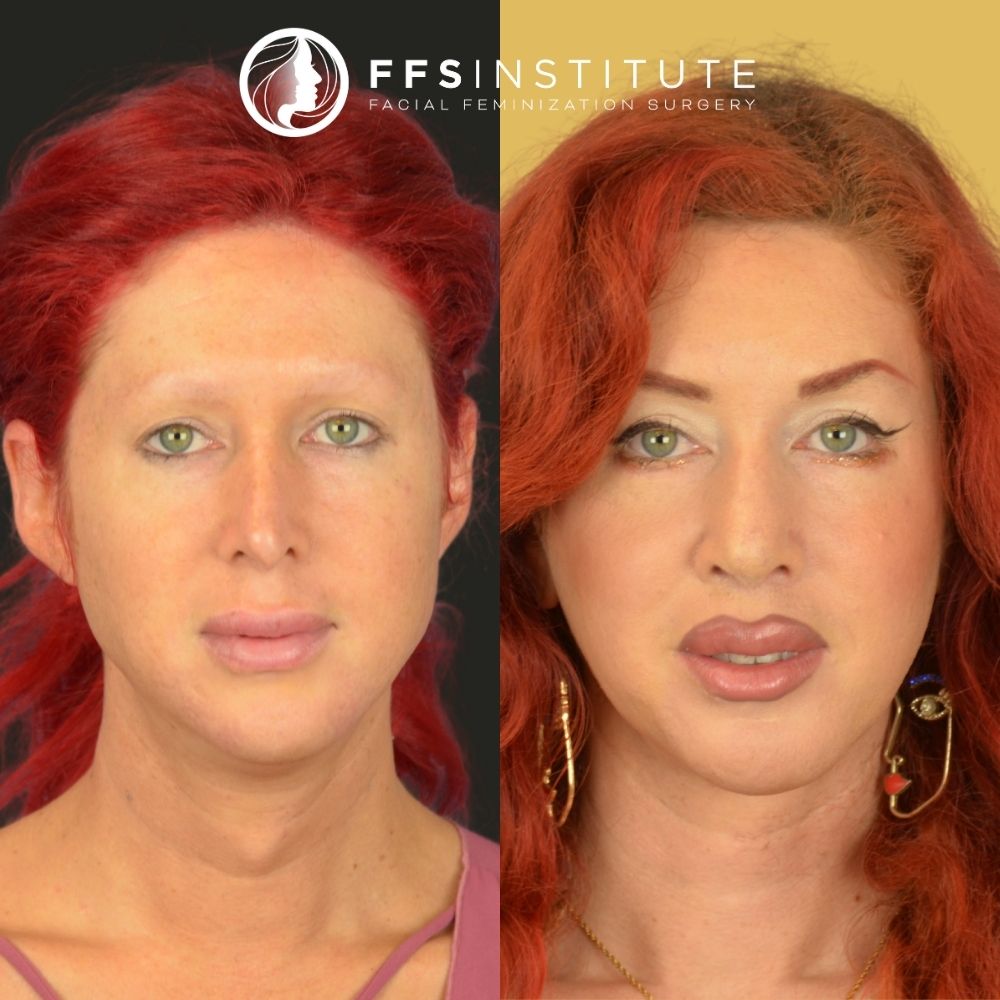
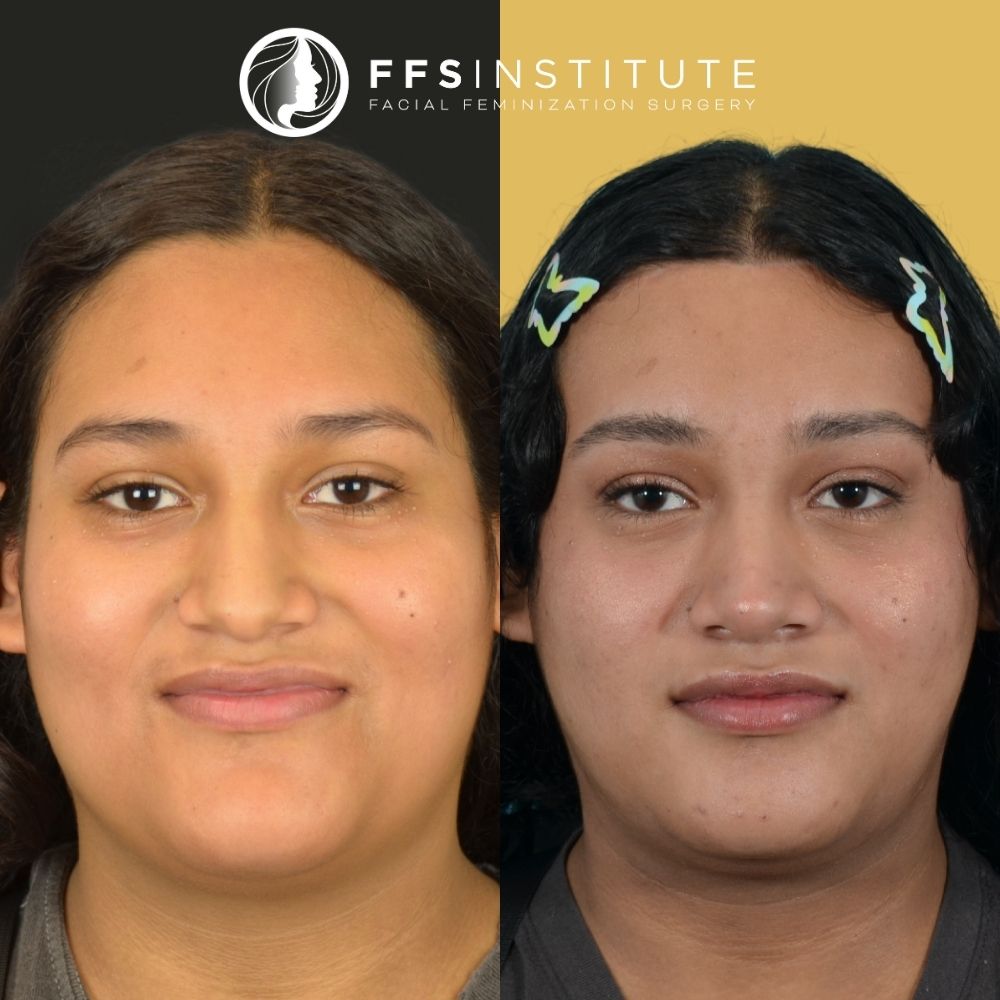
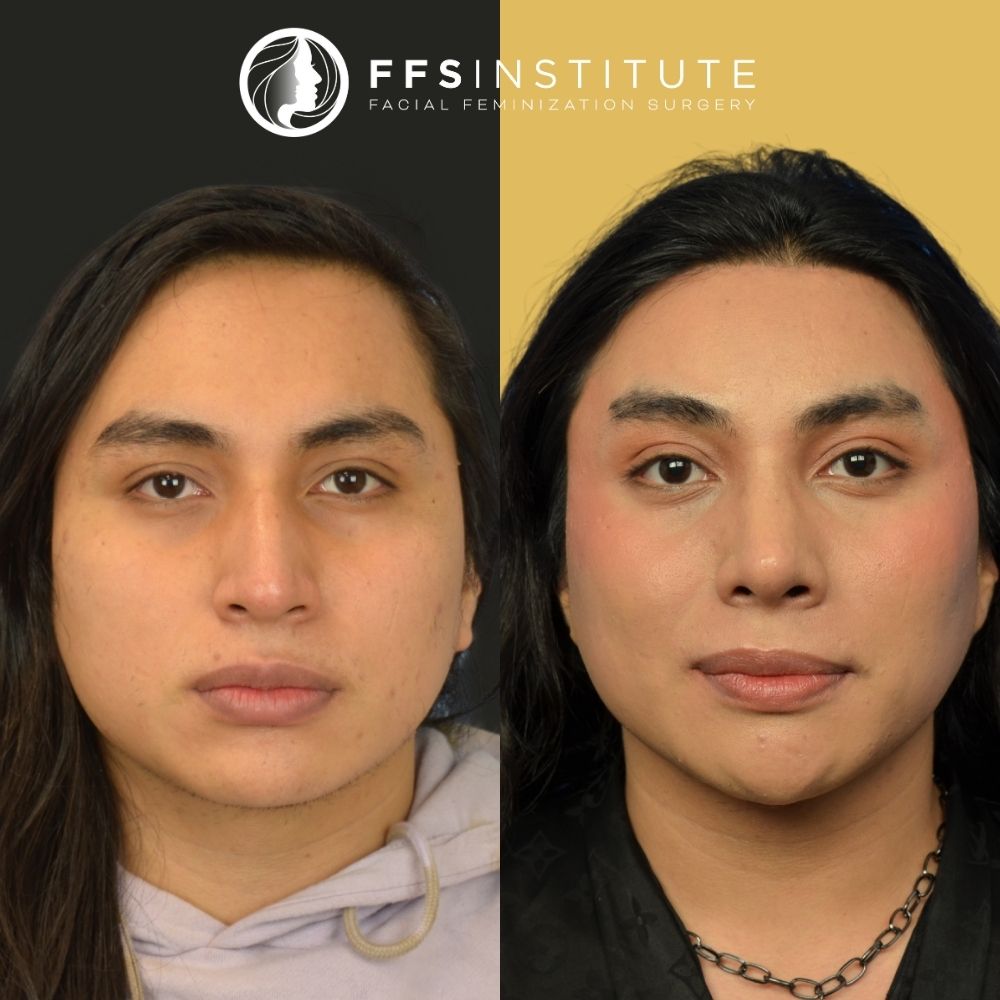
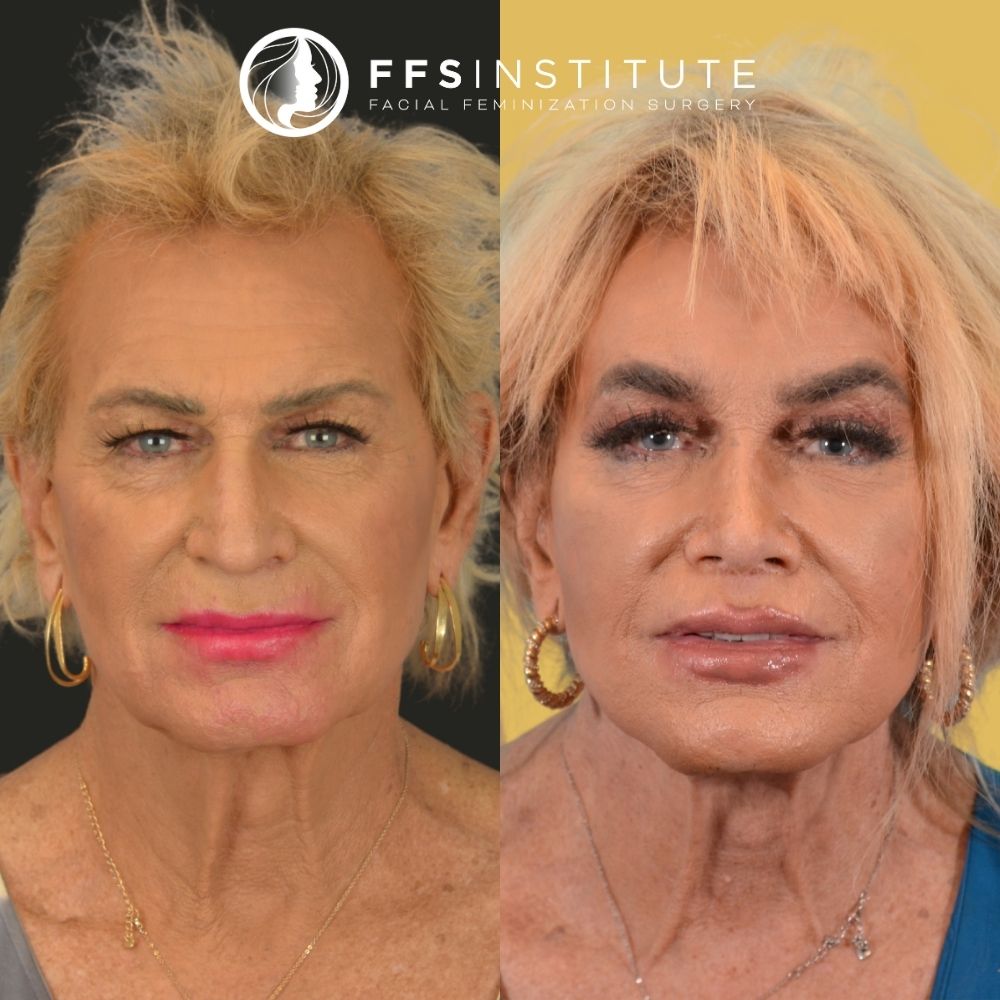
Before-and-after photos and a real results gallery are available to review case outcomes and see how subtle adjustments can produce natural-looking changes.
Are Chin Implants Used for Facial Gender Confirmation?
Chin implants are rarely used in facial gender confirmation surgery for transfeminine patients. In most cases, the concern is excess width, height, or projection rather than insufficient volume.
For this reason, chin reduction through bone reshaping is far more common than augmentation. That said, chin implants may still be used to add projection or definition when appropriate.
With nearly 20 years of experience focused on gender-affirming surgery, you can be confident that FFS Institute will use the most appropriate technique for your case.
What Gives a Face Its Gender? Understanding Chin Differences
Recognizable anatomical facial patterns influence gender perception. The chin plays a meaningful role in this process, with width, projection, and overall proportion all contributing to how the lower face is read.
Chins that are broader, more angular, or “square” are more often associated with masculine facial structure. Meanwhile, narrower chins with “heart-shaped” contours are perceived as feminine.
These differences influence how the chin relates to the lower jaw and lower lip, and how it affects overall facial balance. Chin feminization reshapes the lower face to better align with feminine facial proportions.
As a fellowship-trained facial plastic surgeon, Dr. Chen applies this anatomical understanding to develop surgical plans that respect individual variation while aiming for natural feminization outcomes.
Surgical Techniques and Procedures
Chin feminization uses precise surgical techniques to reshape the chin and lower jaw, helping create a softer, more balanced facial appearance that aligns with your overall features.
At FFS Institute, chin procedures are carefully planned as part of facial feminization surgery.
Each plan considers bone structure, nerve location, and how the lower face integrates with the rest of your facial anatomy. This approach helps ensure both safety and natural-looking results.
Rather than relying on a single technique, Dr. Henry Chen tailors the surgical approach to your anatomy, facial proportions, and broader surgical goals. This customization allows the procedure to support harmony across the entire face, not just the chin.
Depending on your needs, techniques may include reducing chin width through bone shaving, adjusting projection via chin implants, or cutting the jawbone to create smoother contours. Each option is chosen carefully to support balance and proportion.
To guide these decisions, advanced imaging, CT (computerized tomography) scan analysis, and 3D (three-dimensional) planning are used. These tools allow for precise planning and help create predictable, well-controlled changes.
At FFS Institute, chin feminization is performed under general anesthesia in an accredited surgical center. Care is provided by board-certified anesthesiologists and a dedicated postoperative care team, ensuring close monitoring throughout the procedure.
This surgical setting offers the level of control and continuous oversight required for complex bone reshaping, helping prioritize both your safety and long-term results.
Osseous Genioplasty: Advanced Chin Feminization Methods
Osseous genioplasty or “sliding” genioplasty is one of the primary techniques used in chin feminization surgery. This procedure allows the chin to be repositioned forward, backward, or sideways, depending on the facial changes needed to achieve balance and harmony.
Osseous genioplasty reshapes the chin bone directly through a controlled osteotomy (cut in the bone) rather than altering only soft tissue. Because it addresses the underlying bone structure, the results are stable and durable, and it can correct pre-existing chin deformities.
It’s important to know that there isn’t just one type of genioplasty. Several variations may be used, depending on your unique aesthetic goals and anatomy. The choice of technique is always guided by what will look and feel most natural for your face.
A one-piece genioplasty is often used for straightforward chin reduction or to round the chin. A two-piece genioplasty allows the surgeon to adjust chin projection while keeping its overall shape.
When both projection control and lower face narrowing are desired, a three-piece genioplasty may be recommended. This technique can help create a more tapered, “V-shaped” lower facial appearance.
In some cases, however, telescopic genioplasty may be considered. This newer technique allows the chin bone to be repositioned while preserving structural support, offering another option for patients whose anatomy or goals make traditional approaches less ideal.
Ultrasonic Mentoplasty and Advanced Techniques
In modern chin feminization surgery, some surgeons use advanced bone-cutting technologies to improve precision and control during recontouring.
These tools are designed to support careful planning and refined execution, especially in procedures involving delicate facial structures.
One example is ultrasonic mentoplasty, which uses piezoelectric instruments to cut bone while minimizing impact on surrounding soft tissue. This technology allows for greater accuracy and may help reduce trauma to nearby nerves and blood vessels.
In addition, many contemporary facial feminization practices, including Dr. Chen’s, incorporate three-dimensional surgical planning. This process allows bone cuts and movements to be mapped out in advance, helping translate surgical goals into clear, actionable steps.
When appropriate, custom 3D-printed cutting guides may also be used. These guides help ensure the preoperative surgical plan is executed accurately in the operating room, particularly in cases requiring high precision.
In more complex reconstructions, materials such as polyetheretherketone (PEEK) implants may be considered. These are used selectively to support structural alignment or refine contours, depending on the patient’s anatomy and surgical needs.
At FFS Institute, surgical techniques and tools are chosen thoughtfully. Decisions are guided by anatomy, safety considerations, and the goals of the overall facial feminization plan, not by reliance on any single technology.
All facial feminization procedures are performed in fully accredited surgical facilities, with an emphasis on precision, consistency, and medically sound outcomes. The focus remains on achieving balanced, natural results through careful technique and individualized care.
What Is FFS Jaw Contouring Combined with Chin Surgery?
The chin and lower jaw function together as a single visual unit. When one is altered without addressing the other, overall facial balance can feel incomplete or uneven.
Jaw contouring focuses on reshaping the mandibular angles and lower jawline to reduce width and soften angular features.
When combined with chin surgery, this approach creates a softer transition from the jawline to the chin, supporting a more tapered, feminine lower face.
At FFS Institute, jaw and chin procedures are often performed during the same surgical session as part of a coordinated surgical plan. Treating both areas together allows for more consistent proportions, a single recovery period, and a unified approach to lower-face reshaping.
This integrated approach helps ensure that changes to the lower face feel intentional, balanced, and aligned with the rest of your face, rather than appearing as isolated adjustments.
Mental Nerve Protection and Safety Measures
Protecting the mental nerve is a critical priority during chin feminization surgery. This nerve controls sensation in the chin and lower lip, so careful handling is essential to reduce the risk of long-term numbness or sensory changes.
At FFS Institute, detailed preoperative imaging, including magnetic resonance imaging (MRI), CT, and ultrasound, is used to map nerve pathways before surgery. This allows the surgical team to plan bone cuts with precision and avoid sensitive structures.
During the procedure, specialized techniques are used to minimize traction or compression on surrounding tissues, further supporting nerve protection and overall safety.
At FFS Institute, all chin and jaw procedures are performed in an Accreditation Association for Ambulatory Health Care (AAAHC)-accredited surgical facility.
Our board-certified surgical team ensures continuous monitoring, standardized safety protocols, and controlled surgical environments that support overall patient safety throughout the procedure.
Who Can Have Chin Feminization Surgery?
Chin Feminization Surgery Procedure: What to Expect
Chin feminization surgery at FFS Institute follows a structured process designed to support safety, clarity, and long-term results. From the initial consultation through recovery and follow-ups, each phase is coordinated to help you understand what’s happening and why.
Before surgery, you’ll receive a detailed explanation of the surgical plan, expected recovery timeline, and postoperative care requirements. This preparation helps set realistic expectations and allows you to move forward with confidence.
On the day of surgery, procedures are performed at an accredited surgical center under the care of a board-certified anesthesia team. Your safety and comfort are closely monitored throughout the procedure.
After surgery, care continues through structured follow-ups and a 12-month postoperative program focused on healing, stability, and outcome assessment. Throughout the process, you’re encouraged to ask questions and revisit decisions as needed, with clear guidance provided at each step.
Initial Assessment and Surgical Planning
Your consultation begins with a detailed facial analysis focused on chin shape, jawline proportions, and the relationship of the lower face to other areas of the face. This evaluation includes physical examination, review of medical history, and imaging when indicated.
Three-dimensional planning tools are used to evaluate bone structure and simulate potential changes. In some cases, morphing software may be used during consultation to help visualize realistic surgical outcomes. These tools support discussion and planning but don’t replace clinical judgment.
Based on this comprehensive assessment, Dr. Chen develops a surgical plan tailored to your anatomy and aesthetic goals.
If chin surgery is being considered alongside jaw contouring or other facial feminization procedures, staging and sequencing are discussed to prioritize safety and balanced results.
Call (310) 237-1392 or complete the Contact form to schedule a consultation and begin your journey toward a more feminine appearance.
Creation of Surgical Guides and Preoperative Preparation
Once a surgical plan is finalized, customized surgical guides may be created to support precision during bone reshaping. These guides are designed using three-dimensional imaging and used intraoperatively to accurately translate the surgical plan.
Preoperative preparation also includes medical clearance, laboratory testing, medication review, and detailed instructions regarding eating, hydration, and activity before surgery. These steps help ensure you are physically prepared and informed.
The consent process includes a thorough discussion of risks, benefits, and alternatives, allowing time for review and questions before moving forward. Together, these measures help ensure that surgery is approached thoughtfully, safely, and with your long-term well-being in mind.
During the Chin Feminization Procedure
Chin feminization surgery is performed under general anesthesia with continuous monitoring by a board-certified anesthesia team.
An intraoral approach is commonly used, meaning the incisions are made inside the mouth, resulting in no visible external scars. During the procedure, surgical guides are positioned as planned.
The chin is contoured and repositioned according to the surgical plan, followed by careful closure of the incision.
Throughout the procedure, attention is given to protecting the mental nerve and surrounding soft tissues. Standardized safety protocols are followed at every stage.
How Long Does Facial Feminization Surgery Take?
The length of chin feminization surgery varies based on the complexity of the case and whether other procedures are performed at the same time.
As a standalone procedure, chin feminization typically takes almost two hours. When combined with additional facial feminization procedures, operative time will be longer.
That said, surgery duration ultimately depends on the number of procedures and whether it’s performed in a single session or in a staged approach.
These factors are reviewed during surgical planning, so you have a clear understanding of what to expect on the day of surgery.
Recovery Time for Chin Feminization Surgery
Recovery after chin feminization surgery is gradual and varies depending on the scope of the surgery and whether it’s combined with other facial feminization procedures.
While early healing occurs within the first few weeks, refinement of the lower face continues over time as swelling resolves and tissues settle. That said, lower facial swelling can persist for up to 12 months.
At FFS Institute, recovery is approached with realistic expectations and close follow-up. You’re monitored through a structured 12-month postoperative program that allows us to track healing, address concerns, and guide you through each stage of recovery.
What Should I Expect During Recovery from Chin Feminization Surgery?
In the first few days after surgery, it’s normal to experience swelling and bruising of the chin and lower jaw. These early changes are part of the healing process and tend to improve gradually over time.
Discomfort during this period is often moderate to severe, but it is carefully managed with prescribed pain medication.
This may include short-term use of narcotics, along with medications such as Advil and Tylenol, and additional supportive care measures to help keep you as comfortable as possible while you heal.
To help control swelling and protect the surgical area, a compression dressing may be placed. In rare cases, small drainage tubes may be used temporarily. You’ll receive clear instructions on how they are managed and when they will be removed.
During early recovery, you’ll be advised to rest with your head elevated and to avoid heavy lifting, bending, or engaging in activities that could strain the lower jaw. These precautions help support healing and reduce swelling.
Bathing restrictions are also essential during the early postoperative period. Showering is generally permitted after the first few days, once the surgical bandages have been removed and your surgeon confirms it is safe.
Before discharge, you’ll receive detailed postoperative instructions, which are reviewed again during early follow-up visits.
These check-ins are designed to answer questions, monitor healing, and help you feel supported as you move through each stage of recovery.
Short-Term Healing: First Two Weeks
Swelling often peaks in the first week and gradually improves during the second week. Bruising fades at different rates, and firmness or tightness along the chin and jawline is common as the tissues heal and adjust.
Activity is intentionally limited during this phase to support healing. You’ll be advised to avoid strenuous movement, heavy lifting over 15 lbs, and any activity that significantly increases blood pressure, as these can worsen swelling or delay recovery.
Many patients plan for up to six weeks away from work, especially if their job is physically demanding. However, some individuals may be able to return sooner for light or remote duties, with their surgeon’s approval.
Your diet will also be adjusted to reduce strain on the jaw. Soft, high-protein foods and anti-inflammatory foods are recommended, while hard, crunchy, or chewy foods should be avoided during this period.
Follow-up appointments are typically scheduled at months 1, 3, 6, and 12 after surgery. These visits allow your surgical team to monitor swelling, incision healing, and nerve function, and to support you through each stage of recovery with ongoing guidance and reassurance.
Is It Normal to Experience Numbness After Jaw and Chin Surgery?
Yes. Temporary numbness of the chin or lower lip is common after jaw and chin surgery. This happens because the procedure involves working close to the mental nerve, which provides sensation to these areas.
In most cases, sensation returns gradually over the course of two to four weeks as swelling subsides and the nerve recovers.
At FFS Institute, detailed preoperative imaging and careful surgical techniques are used to protect nerve pathways.
If numbness worsens, becomes painful, or does not improve over time, it’s important to let our surgical team know so they can evaluate your symptoms and guide you appropriately.
Can I Eat Normally After Chin Surgery?
Eating normally is a gradual process. During the first two weeks, a soft diet is recommended to limit jaw movement and reduce pressure on healing bone and soft tissue.
As swelling decreases and comfort improves, foods can be reintroduced slowly. Many patients find it helpful to take smaller bites, avoid opening the mouth widely, and use utensils rather than biting directly into foods.
These adjustments help protect the surgical area while allowing you to return to normal eating at a comfortable pace.
Long-Term Recovery: Two to Twelve Weeks and Beyond
Around the two-week mark, swelling continues to subside, and jaw movement typically becomes more comfortable. At this stage, many patients can resume light exercise, provided it’s comfortable and approved by their surgeon.
More demanding activities, including contact sports or strenuous exercise, should still be avoided until at least the fourth week or until your surgeon confirms it is safe to resume them. These precautions help protect healing bone and soft tissue as recovery progresses.
During the first several weeks, most patients are advised to use an antiseptic mouthwash to support oral hygiene while the incision heals. Dental care can usually resume immediately after surgery but should be performed gently and with added caution during this early phase.
By three months, most functional healing has taken place. However, subtle changes in contour and softness may continue.
Lower face refinement often progresses gradually, with final results continuing to develop for up to 12 months.
Follow-up visits during this period allow your care team to monitor healing, assess progress, guide scar care, and address any questions or concerns. These appointments are an important part of ensuring your long-term comfort, safety, and satisfaction with your results.
How Long Does Facial Feminization Surgery Take to Heal?
Healing occurs in phases, and timelines can vary depending on the number of procedures performed and individual factors such as your overall health and healing capacity.
In most cases, the majority of functional healing occurs by around six weeks. By this point, daily activities feel easier, and early aesthetic changes become more noticeable.
That said, complete healing takes longer. Subtle refinements continue as swelling fully resolves and tissues settle, with final results developing gradually over the course of up to 12 months.
How Painful Is Facial Feminization Surgery?
FFS, whether comprehensive or targeted at the chin, is performed under general anesthesia. That means you’ll be asleep and won’t feel pain during the procedure.
However, you can expect moderate to severe pain in the early postoperative period, particularly with lower-face procedures involving bone.
Pain is managed with a structured medication plan that often includes short-term narcotic pain medication followed by a gradual taper. Supportive measures such as Advil and cold compresses are also used when appropriate.
Discomfort generally improves over the first one to two weeks as healing progresses. While recovery can feel challenging at times, pain levels are closely monitored by your care team.
Medications and recommendations are adjusted as needed to support healing while prioritizing your comfort and safety throughout the process.
How Much Does Chin Feminization Surgery Cost?
Chin feminization surgery is a highly individualized procedure, so pricing can vary widely from one patient to another. No two faces or surgical plans are exactly the same, and pricing reflects that level of personalization.
It’s also important to understand that the total cost extends beyond the surgery itself. It includes surgical expertise, detailed preoperative planning, anesthesia care, accredited surgical facilities, and the depth of follow-up care provided throughout recovery.
At FFS Institute, pricing is structured to reflect the surgeon’s expertise, complexity of the procedure, facility fees, and the depth of experience and care that support your treatment from start to finish.
With over 1,000 facial feminization procedures performed and an award-winning surgical team, the focus is on delivering predictable, natural-looking results through meticulous planning and comprehensive support before, during, and after surgery.
Rather than offering one-size-fits-all pricing, your cost is determined after a detailed consultation that evaluates your anatomy, aesthetic goals, and whether chin surgery is being performed on its own or as part of a broader facial feminization plan.
This approach helps ensure that recommendations and associated costs are aligned with what’s safest and most appropriate for you.
Factors That Affect Chin Surgery Pricing
Several key factors influence the overall cost of chin feminization surgery. Understanding these variables can help clarify how pricing is determined and what contributes to the level of care you receive.
- Surgeon expertise and experience: Pricing reflects the level of expertise, specialized training, and experience required for complex procedures like chin feminization surgery.
- Procedure complexity: More complex contouring or multi-segment genioplasty typically requires additional planning time, longer operating time, and greater use of surgical resources, all of which can affect overall cost.
- Combination with other FFS procedures: Combining procedures can affect total cost and operating time, but may be more efficient than staging surgeries separately, especially in terms of recovery and anesthesia exposure.
- Facility and anesthesia: Fees include access to accredited surgical facilities, board-certified anesthesia teams, and comprehensive safety protocols.
Costs are typically higher when general anesthesia or sedation is used, as this level of care requires additional monitoring, specialized staffing, and facility support required to maintain a controlled and safe surgical environment. - Geographic location: Beverly Hills pricing reflects the region’s regulatory environment, licensing standards, and the high level of surgical oversight to maintain patient safety and quality of care.
How Do I Pay for FFS and Chin Surgery?
Planning for surgery often includes important financial considerations, and FFS Institute offers several payment pathways to help make the process more manageable and predictable.
- Financing plans: Flexible financing options may be available, allowing you to spread the cost of surgery over time rather than paying everything upfront. These plans can help align treatment with your budget and long-term planning.
- Scholarships and grants: Many LGBTQ+ organizations, such as Genderbands and Point of Pride, offer grants that may help offset the cost of facial feminization surgery. While availability and eligibility vary, these programs can be a valuable resource for some patients.
- Out-of-state and international patients: If you’re traveling for surgery, our care team can help coordinate scheduling, preoperative planning, and postoperative follow-ups. This support aims to minimize extended stays and make the overall experience less stressful.
Insurance Coverage for Gender-Affirming Chin Surgery
Insurance coverage for chin feminization surgery varies significantly by provider, plan type, and jurisdiction.
Some insurers now recognize certain facial feminization procedures as medically necessary for the treatment of gender dysphoria. Others, however, may still classify these procedures as cosmetic and exclude them from coverage.
When coverage is possible, insurers often require:
- A formal diagnosis of gender dysphoria
- Letters of medical necessity from qualified healthcare providers
- Pre-authorization before surgery
When applicable, FFS Institute assists patients by guiding them through the insurance process and helping them understand documentation requirements and timelines.
While approval cannot be guaranteed, having experienced support can reduce confusion and delays and help you make informed financial decisions before moving forward.
How Safe Is Facial Feminization Surgery and Chin Procedures?
FFS, including chin feminization, is widely considered safe when performed by an experienced surgeon in a fully accredited surgical setting.
As with any operation involving facial bones, safety depends heavily on surgical planning, anesthesia management, and postoperative monitoring, not just the procedure itself.
At FFS Institute, chin feminization procedures are performed in an AAAHC-accredited surgical facility, with care provided by a board-certified surgical team following established safety protocols at every stage.
Surgical leadership includes Dr. Henry Chen, a Cedars-Sinai faculty member who brings an academic, evidence-based approach to patient safety, risk reduction, and long-term outcomes.
This perspective helps ensure that surgical decisions are grounded in both experience and current best practices.
From your initial evaluation through the 12-month follow-up program, safety is treated as an ongoing process rather than a single event on the day of surgery. Each phase of care is designed to support your well-being, provide continuity, and promote stable, thoughtful results over time.
What Are the Risks of Facial Feminization Surgery?
While chin feminization surgery is generally well tolerated, it’s crucial to understand the potential risks so you can make a fully informed decision and feel confident moving forward.
As with any surgical procedure, risks may include infection, temporary nerve changes (such as numbness), asymmetry, delayed healing, or contour irregularities that could require revision surgery.
Not everyone experiences these issues, but discussing them openly is an essential part of responsible surgical planning.
Choosing a surgeon with extensive experience in facial feminization surgery, such as Dr. Henry Chen, significantly reduces these risks and supports safer, more predictable outcomes.
FFS Institute’s structured safety protocols and consistently high patient satisfaction—reflected in 5/5 patient ratings—support predictable and reliable outcomes.
Chin Feminization Results and Long-Term Outcomes
Chin feminization surgery can be a profoundly affirming procedure. For many patients, softening the chin and lower face aligns facial features with gender identity, which may lead to lasting relief from gender dysphoria and greater confidence in everyday life.
At FFS Institute, the focus is on natural-looking results. Changes are carefully planned to integrate seamlessly with the rest of the face, so outcomes feel balanced and authentic rather than overtly “surgical.”
How Long Does Facial Feminization Last?
Chin feminization results are permanent. Because the procedure reshapes or reduces the underlying bone, these structural changes do not reverse over time.
While your face will continue to age naturally—through changes in skin elasticity, soft-tissue changes, and the effects of gravity, just as it would without surgery—the feminized contours of the chin are designed to remain stable and lasting.
Before and After: What Changes to Expect
Patients typically notice several key improvements after chin feminization surgery, including:
- Reduced chin width or height
- A softer, more tapered chin contour
- Improved harmony between the chin, jawline, and midface
- A more traditionally feminine lower facial profile
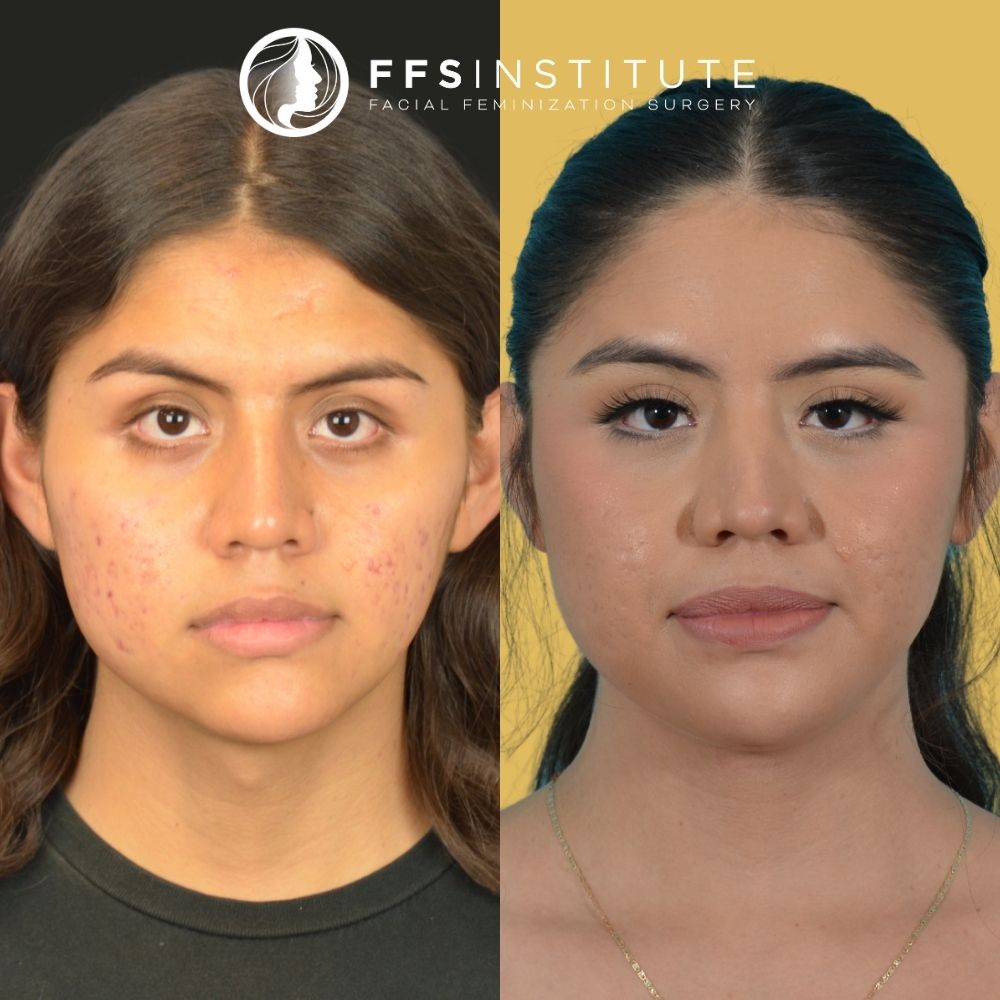
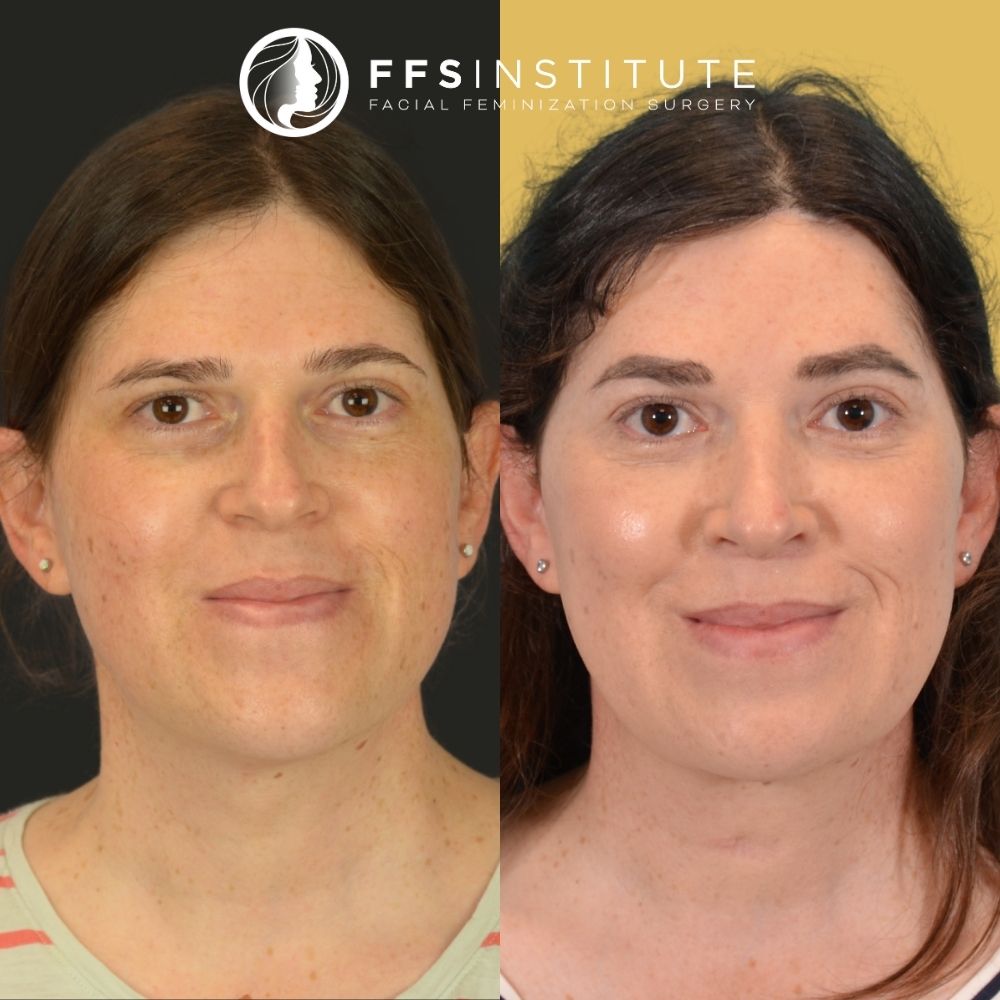
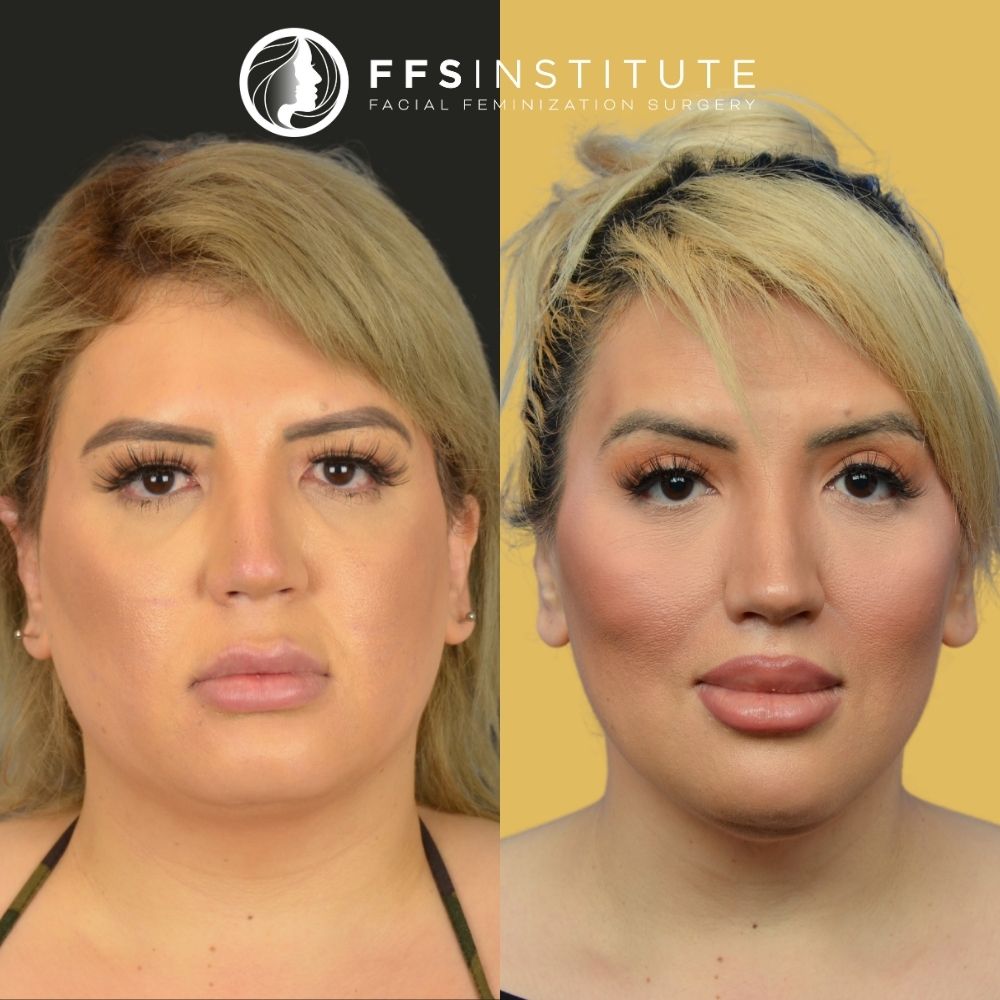
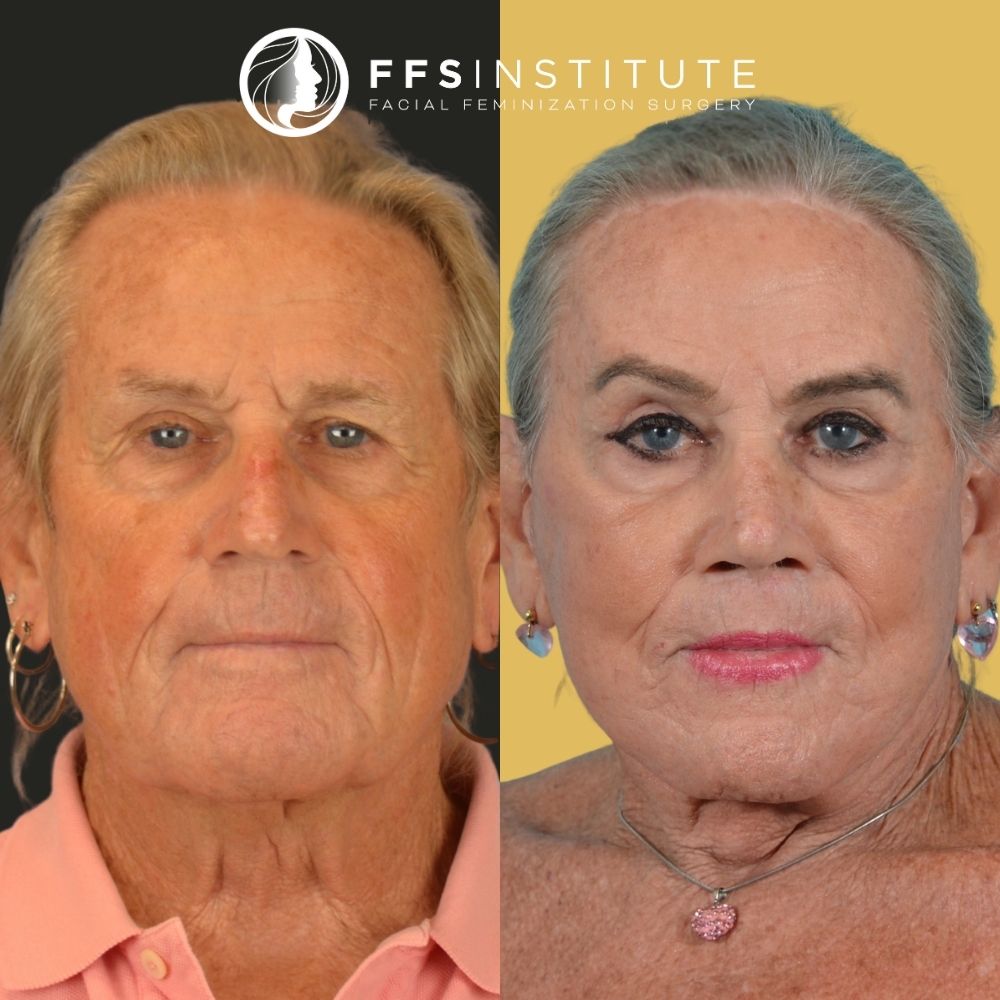
FFS Institute’s before-and-after photo gallery and patient testimonials showcase real results from patients with a wide range of facial structures.
The goal is never a generic result, but a balanced, individualized outcome that enhances feminine features while preserving your unique identity.
When Can I See My Final Results?
While early changes are visible soon after surgery, final results take time to fully develop. Healing follows a predictable, gradual progression:
- First two to four weeks: Swelling is most noticeable, and contours may appear uneven or fuller than expected.
- Six to eight weeks: A significant reduction in swelling occurs, and facial shape becomes more recognizable.
- 6 to 12 months: Final results emerge, with smoother contours and stable, refined proportions.
This gradual progression is normal. The 12-month follow-up program ensures your healing and results are monitored throughout each phase, helping align expectations with the natural biology of recovery.
Complementary Procedures with Chin Feminization
The chin plays a central role in how the lower face reads as masculine or feminine, but it works in constant relationship with the jawline, lips, neck, and midface. For this reason, chin feminization surgery is rarely viewed in isolation.
At FFS Institute, treatment plans are built around overall facial harmony. Your anatomy, proportions, and transition goals guide whether chin feminization is performed on its own or combined with other procedures to achieve a balanced, natural-looking result.
Lower Face Feminization Surgery Options
Lower face feminization focuses on softening angular features and reducing visual heaviness in the jaw and neck area. Chin feminization is frequently combined with one or more of the following procedures:
- Lip lift: Shortens the distance between the nose and upper lip, increasing dental show and enhancing femininity in the lower third of the face.
- Tracheal shave (chondrolaryngoplasty): Reduces the prominence of the Adam’s apple, contributing to a more feminine neck contour when viewed in profile.
- Neck lift (platysmaplasty): Tightens and smooths neck muscles and skin, particularly helpful when jaw and chin reshaping alter the lower facial framework.
At FFS Institute, these procedures are planned together when appropriate, so proportions are adjusted cohesively rather than piecemeal.
Upper and Mid-Face Procedures
Chin feminization often produces the most natural results when it aligns with changes made elsewhere in the face.
Many patients choose to combine chin surgery with upper and mid-face procedures to ensure consistency across facial features.
Common complementary procedures include:
Forehead contouring and brow bone reduction: Softens the upper facial structure and reduces frontal bossing, a key component of facial feminization.
- Hairline lowering or scalp advancement: Reduces forehead height and reshapes the hairline to a more traditionally feminine contour.
- Nose feminization (rhinoplasty): Refines nasal size, projection, and angles so the nose harmonizes with the chin and jaw profile.
- Cheek augmentation: Enhances midface volume and contour, helping shift emphasis upward and away from the lower face.
- Eye and eyelid procedures: May include upper or lower blepharoplasty (eyelid surgery) and orbital contouring to create a softer, more open eye appearance.
Together, these procedures help create facial balance, ensuring that no single feature appears over- or under-corrected.
Nonsurgical Procedures for Facial Gender Affirmation
In some cases, nonsurgical treatments may be used to complement surgical chin feminization or refine results over time.
These options may include:
- Dermal fillers to improve volume to the cheeks, lips, and lower eyelids
- Botulinum toxin (BOTOX®) to address wrinkles and help maintain the results of a brow lift
- Fat grafting to restore gentle volume to areas such as the temples, cheeks, or chin
While nonsurgical treatments cannot replace bone-based feminization, they can play a supportive role in a comprehensive facial feminization plan.
Choosing the Right Surgeon for Chin Feminization
Chin feminization surgery requires more than technical ability. It calls for a deep understanding of facial gender markers, bone anatomy, and proportion, and how these elements work together to create balance.
Because of this complexity, choosing the right surgeon is one of the most important decisions you’ll make in your facial feminization journey.
The most consistent, natural outcomes are achieved by surgeons who specialize in facial feminization surgery, rather than those who offer it occasionally within a general cosmetic practice.
Specialization matters when subtle anatomical details can significantly affect both appearance and long-term results.
What to Look for in an FFS Surgeon
When evaluating a surgeon for chin feminization, it’s helpful to look for qualifications that reflect both expertise and focus, including:
- Board certification in relevant surgical specialties
- Dedicated focus on facial feminization surgery, not general plastic surgery alone
- Extensive experience working with transgender patients
- A robust before-and-after portfolio demonstrating consistent, natural results
- Strong patient reviews and satisfaction ratings
- Advanced training, including fellowship experience
- National lecturing or academic involvement in facial feminization techniques
Facial feminization surgery involves nuanced anatomical and aesthetic considerations that differ significantly from conventional cosmetic procedures. A surgeon’s depth of experience in this specific field plays a critical role in achieving balanced, authentic results.
Why FFS Institute Leads in Chin Feminization Surgery
Many patients choose FFS Institute not only for results, but for the emphasis on safety, experience, and transparency built into every stage of care.
Key differentiators include:
- Surgeon credentials and expertise: The surgical team is led by Dr. Henry Chen, a double board-certified and fellowship-trained facial plastic surgeon. His credentials include:
- Los Angeles Magazine Top Doctor from 2019 to 2026
- Southern California Super Doctor from 2020 to 2026
- Gordon Award recipient for exceptional customer service and patient satisfaction
- National lecturer on facial feminization surgery
- Cedars-Sinai faculty member
- Proven outcomes: Over 1,000 successful facial feminization procedures performed, with a strong track record of consistent, natural-looking results.
- Advanced planning and surgical technology: Detailed facial analysis, modern surgical techniques, and precision-focused execution reduce variability and support patient safety.
- Comprehensive follow-up care: A structured 12-month monitoring program allows healing to be closely followed and concerns to be addressed early, if they arise.
This combination of experience, academic involvement, and patient-centered care is why many patients travel specifically to FFS Institute for chin feminization surgery.
A Note from Dr. Henry Chen
Facial feminization surgery is a permanent, life-changing, and integral part of your transition. FFS helps you attain a more feminine face that matches your gender identity. Choosing to undergo FFS is a deeply personal and emotional decision, and Dr. Chen wants you to feel confident and supported throughout the process. Dr. Chen aims to listen to your goals and work with you to create a highly individualized surgical plan to achieve them. He will make sure you are fully prepared for surgery and recovery and that all of your questions are answered. After surgery, he will be there step-by-step through the recovery process to make sure you heal as well as possible.

Henry Chen, MD
Facial Feminization Surgery Institute

See the Power of Transformation
Explore real results from patients who’ve undergone facial feminization surgery with Dr. Henry Chen. Each transformation reflects the harmony of artistry, precision, and personalized care.
-
 Before
After
Before
After
-
 Before
After
Before
After
-
 Before
After
Before
After
-
 Before
After
Before
After
-
 Before
After
Before
After
-
 Before
After
Before
After
-
 Before
After
Before
After
-
 Before
After
Before
After
Frequently Asked Questions About Chin Feminization Surgery
How do I feminize my jaw along with my chin?
Jaw feminization usually involves reshaping the lower jaw to reduce width and sharpness. When combined with chin feminization, this creates a smoother, more tapered lower face.
If your jawbone contributes strongly to a masculine appearance, addressing both the jaw and chin together often leads to a more balanced and cohesive result.
What are the post-op instructions after jaw and chin surgery?
After surgery, you’ll usually be advised to rest, keep your head elevated, and follow a soft diet for a short period. You’ll also be advised to avoid strenuous activity and heavy jaw movement while swelling decreases and healing progresses.
You’ll receive detailed postoperative instructions tailored to your procedure. These will be reviewed during your consultation, so you know exactly what to expect at each stage of recovery.
a. Why do I experience a lack of movement after jaw and chin surgery?
Temporary stiffness is common after jaw and chin surgery. Swelling, muscle tightness, and protective healing responses can limit movement early on.
This stiffness typically improves gradually over several weeks as inflammation decreases and normal muscle function returns. Your care team will guide you on when and how to safely resume movement.
b. Why is my mandibular joint painful after jaw and chin surgery?
Mild jaw joint discomfort can occur as your bite and jaw muscles adjust during healing. This is often temporary and improves with rest and time.
If jaw pain becomes sharp, worsens instead of improving, or limits normal function beyond the expected recovery period, it’s important to contact your surgeon for further evaluation.
When should I see my healthcare provider?
You should reach out promptly if you notice increasing pain, signs of infection, persistent numbness that worsens, difficulty breathing, or uncontrolled bleeding.
If something doesn’t feel right, it’s always appropriate to check in. Your healthcare provider can help determine whether what you’re experiencing is part of normal healing or needs additional attention.

Get In Touch With Us
Dr. Chen is double board-certified by the American Board of Facial Plastic and Reconstructive Surgery and the American Board of Otolaryngology-Head and Neck Surgery.
Call (310) 237-1392 or fill out the form below for a consultation.