Real Results and Complete Transformation Guide
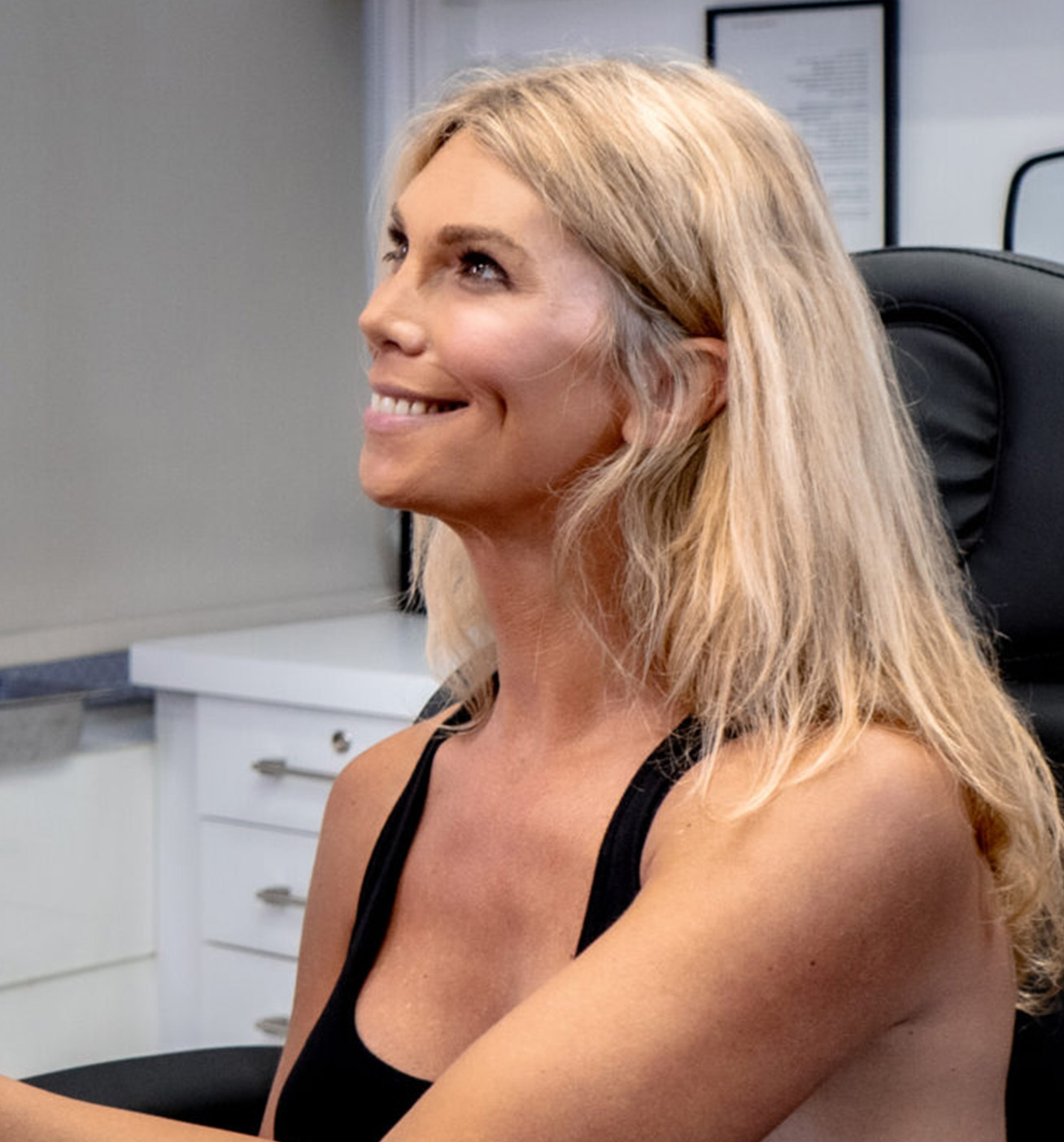
If you’ve spent time reviewing facial feminization surgery (FFS) before-and-after photos, you may recognize the mix of hope and uncertainty that often comes with it. Seeing a wide range of outcomes can make it harder to know what results are realistic for you.
After scrolling through websites, forums, and side-by-side comparisons, the inconsistency in results can feel overwhelming. It’s natural for that uncertainty to make an already personal decision feel more complex.
If this experience resonates with you, you’re not alone. We created this guide to help bring clarity to what FFS before-and-after photos show, and just as importantly, what they don’t.
FFS Institute is led by Dr. Henry Chen, a double board-certified facial plastic and reconstructive surgeon whose work focuses on outcomes that align with each patient’s identity.
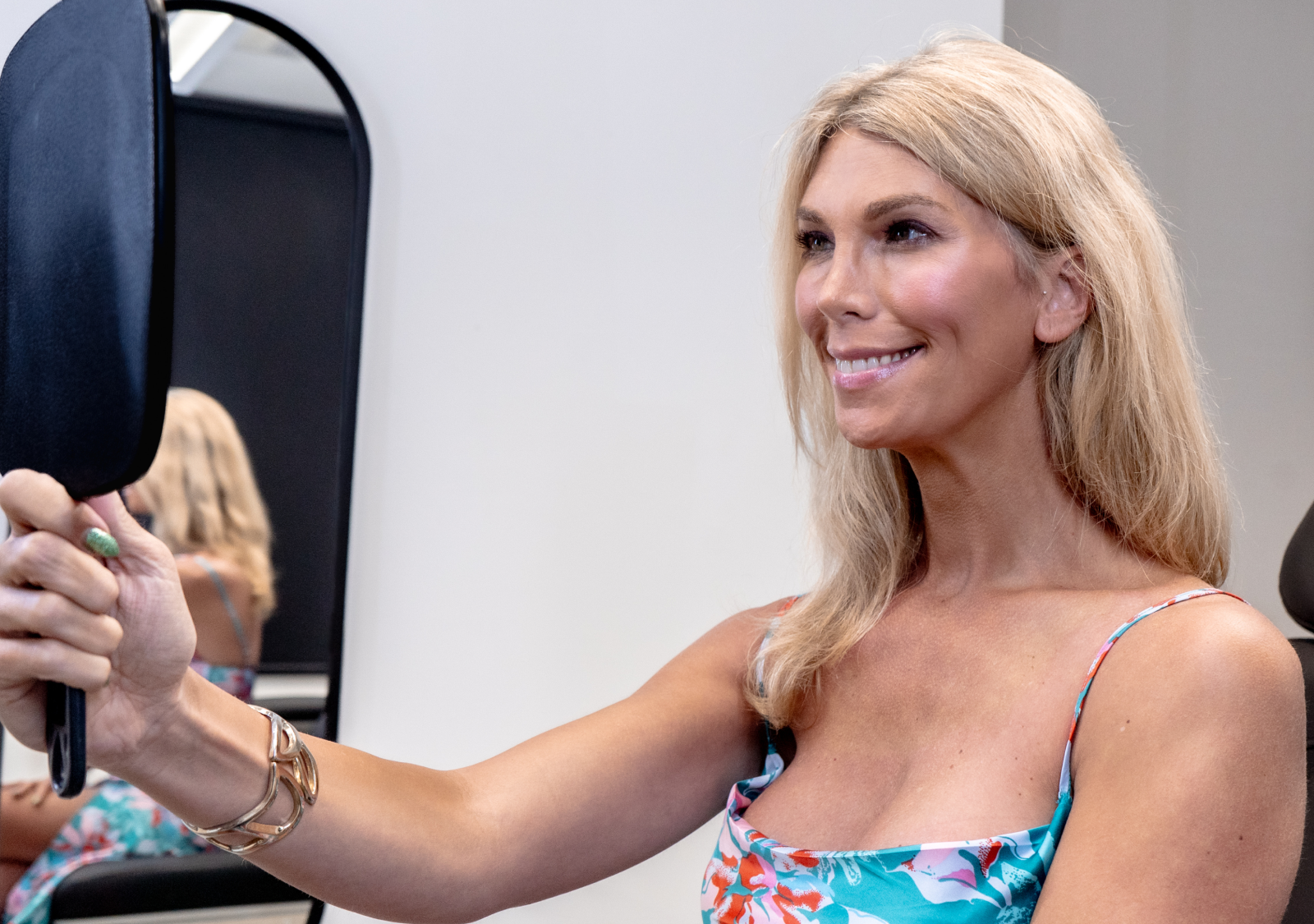
With more than 1,000 FFS procedures performed, his approach considers the face as a whole (how the brow, hairline, nose, jaw, chin, and soft tissues interact), resulting in harmonious, natural, and unmistakably human outcomes rather than stylised or generic ones.
When you’re ready to explore whether facial feminization could help your appearance better reflect who you are, our team is here to support you.
If you’d like to discuss your goals, questions, or concerns one-on-one, you can schedule a consultation by calling the Beverly Hills office at (310) 237-1392.
Key Takeaways
- Authentic FFS before-and-after photos don’t rely on heavy editing or carefully staged angles. They show actual facial harmony, with facial features working together without erasing individuality or creating a “done” look.
- FFS outcomes aren’t immediate. After surgery, swelling resolves and details continue to refine, with results typically stabilizing around 12 months post-surgery.
- The upper third of the face drives the biggest visual transformation. Changes to the forehead, brows, and hairline influence overall gender perception more than isolated adjustments elsewhere.
- FFS is most authentic when procedures are selected based on individual anatomy and goals, rather than following a fixed checklist for every patient.
- With over 1,000 facial feminization procedures performed, Dr. Henry Chen, FFS Institute’s founder and lead surgeon, prioritizes consistency, safety, and identity-aligned outcomes.
Real Patient Stories: FFS Institute’s 1,000+ Successful Before and After Case Studies
Every before-and-after photo represents someone who trusted us with something profoundly personal.
Across more than 1,000 documented cases, you can see how our carefully planned FFS brings features into closer alignment with identity without producing results that appear exaggerated or artificial.
Each transformation reflects thoughtful, individualized planning, technical precision, and a commitment to natural balance.
Here are a few of those real patient journeys:
What Do Facial Feminization Surgery Before and After Photos Really Show? What Are the Most Noticeable Changes in FFS Before and After Photos?
FFS before-and-after photos can help inform your decisions, but only if you know how to read them correctly. At first glance, they simply show change. With a more informed perspective, they reveal how those changes were achieved and why they matter.
Rather than presenting a “new face,” these images typically illustrate how specific structures have been softened or reshaped so features align more naturally with a patient’s identity and work harmoniously together.
If you’re unsure where to focus, begin with the upper third of the face (the hairline, brows, upper eyelids, forehead, and underlying frontal bone). This region has some of the most consistent anatomical differences between masculine and feminine facial structures, making it a key area to evaluate.
At FFS Institute, Dr. Chen often addresses this region through a thoughtful combination of techniques, which may include:
- Scalp advancement (hairline lowering)
- Brow lift
- Forehead contouring (reshaping the frontal bone)
- Rhinoplasty (nose reshaping)
- Jaw and chin contouring
- Tracheal chondroplasty (Adam’s apple reduction)
Together, these procedures don’t aim to create a new face. Instead, they refine key structures so your features align more naturally with your gender identity and feel harmonious together.
The most noticeable changes typically appear where structural adjustments influence overall facial perception. With that in mind, here’s what to look for when reviewing FFS before and after photos:
✔️ Lighting and Angles
Lighting, camera angle, and head position can dramatically change how a face appears. For example, a “before” photo taken in flat lighting with the chin tilted downward may look more dramatic than an “after” photo captured in brighter light with the head lifted.
Consistent photography helps ensure you’re evaluating real surgical change rather than visual distortion.
✔️ Timeline
Healing plays a major role in the final results. Look for images taken when swelling has largely resolved rather than immediately after reconstructive or plastic surgery.
The American Society of Plastic Surgeons (ASPS) generally recommends evaluating photos captured around three months to one year post-procedure.
If a gallery does not specify when the after photo was taken, it’s reasonable to ask during your consultation, as this context helps you interpret what you’re seeing.
✔️ Editing
If every result appears flawless, identical, and staged like a fashion spread, it’s wise to pause and view it as marketing until you have more context.
The ASPS has cautioned that it’s becoming increasingly difficult to distinguish authentic surgical photography from heavily edited or AI-generated images, especially online.
When results appear too good to be true, a healthy level of skepticism is appropriate.
Here’s a step-by-step approach to evaluating results so you can better understand which procedures may have been performed and how they contributed to the overall outcome.
1. Confirm Which Procedures Were Performed
Start by identifying the procedures listed and then look for their visible effects across specific facial areas, such as:
- Forehead
- Hairline
- Brows and eyelids
- Nose
- Jaw and chin
- Adam’s apple
- Cheeks
Matching the surgical plan to what you see in the photos helps create a clearer picture of how each change contributes to facial balance.
2. Start With the Frontal View
There’s no hard and fast rule about where to begin your assessment, but frontal photos are where feminization is often most apparent. When multiple procedures are involved, it can help to first focus on the upper third of the face. Look for:
- A smoother forehead contour
- Higher, gently arched brows
- Eyes that appear more open and expressive
These changes work together to soften gender cues and influence overall facial perception.
3. Examine the Profile View
The profile often reveals subtler but equally meaningful structural refinements. You may notice:
- Reduction of frontal bossing (forehead projection)
- A smoother nasofrontal angle (the transition between forehead and nose)
- A refined nasal profile that blends naturally with the forehead
These details often signal careful structural work rather than surface-level change.
4. Assess the Midface, Lower Face, and Jawline
Adjustments to the cheeks, jaw, and chin can significantly influence facial harmony. Look for:
- A narrower, more tapered jaw
- A more oval or gently pointed feminine profile
- A fuller midface area
Strong FFS results show balance across all facial features. No area should feel over- or under-corrected. Feminization works best when everything feels cohesive.
The most helpful mindset when reviewing photos is: What changed, and does it make sense given the procedures performed?
That perspective leads to more realistic expectations, more informed questions, and greater confidence as you explore your options.
Common Procedures Shown in FFS Before and After Galleries
In most FFS before-and-after galleries, the procedures that create the most visible change are those that reshape the facial structures most closely associated with gender.
These procedures commonly include:
- Forehead contouring and hairline advancement
- Brow reshaping or brow lift
- Rhinoplasty (nose refinement)
- Midface contouring or cheek enhancement
- Jaw and chin contouring
- Tracheal chondroplasty (Adam’s apple reduction)
The areas targeted by these procedures matter because they influence overall facial proportions. Rather than dramatically altering one area, a good surgeon aims for structural balance.
At FFS Institute, specialists carefully assess how each structure interacts with the others and prioritize the regions that will create the most meaningful improvement while maintaining natural harmony.
Forehead Contouring (or Reduction) and Hairline Lowering Results
Forehead contouring reshapes the upper face by reducing a prominent brow ridge and, when needed, carefully repositioning the bone over the frontal sinus (the air-filled cavity behind the forehead).
For patients who feel their upper face projects a more traditionally masculine appearance, this procedure can soften that projection and create a smoother, more balanced contour. The goal isn’t to change who you are, but to help your features align more naturally with how you see yourself.
Hairline lowering complements this change by gently advancing the front portion of the scalp forward. This technique can reduce the appearance of a high or receding hairline, creating a face-framing effect that often feels more in line with a traditionally feminine or nonbinary aesthetic.
Rhinoplasty for Facial Feminization: Before and After Transformations
Rhinoplasty in the context of facial feminization focuses on refining the nose to complement softer facial features rather than drawing attention away from them. The focus is on harmony—helping the nose fit naturally within the overall balance of the face.
In many before-and-after transformations, the refinements are subtle yet impactful:
- A narrower nasal bridge can reduce the perceived width across the midface.
- A softened tip often creates a gentler, less angular look.
- Smoother profile contours improve overall facial flow.
Jaw and Chin Feminization: Dramatic Before and After Changes
Through incisions that are usually placed inside the mouth, the jawbone can be carefully reshaped to reduce width and soften sharp angles. This approach allows a broad or square lower face to transition into a more tapered, feminine contour.
The chin can also be shortened, narrowed, or repositioned to improve overall harmony. Techniques such as a sliding genioplasty, which adjusts the position of the chin bone, allow surgeons to fine-tune projection and shape. Hence, the chin blends naturally with the rest of the face.
Tracheal Shave Before and After: Adam’s Apple Reduction
If the prominence of your Adam’s apple feels noticeable or inconsistent with the appearance you want, a tracheal shave (Adam’s apple reduction) can help create a smoother neck profile.
This procedure reduces the visible projection of the thyroid cartilage (the structure that forms the Adam’s apple) so the neckline appears softer and more consistent with a feminine contour.
During surgery, a small incision is typically placed in a natural neck crease to avoid visible scars.
Through that opening, the surgeon carefully reduces the front portion of the cartilage, refining the contour while preserving the normal structure and function of the larynx (voice box).
Cheek Enhancement and Fat Grafting Results
In many individuals, a more traditionally masculine facial structure is associated with flatter or less-projected cheeks, which can reduce midface softness. Cheek augmentation addresses this by restoring volume and creating a rounder, more contoured appearance.
Volume can be added using fat transfer or implants, depending on your goals and anatomy. With fat grafting, your surgeon harvests fat from another part of the body (often the abdomen, thighs, or flanks), then carefully purifies and strategically places it in areas of the face that would benefit from additional fullness.
At FFS Institute, Dr. Chen’s approach focuses on proportions. It enhances fullness in a way that looks natural and consistent with feminine facial contours.
Lip Enhancement and Feminization Procedures
Lip procedures in facial feminization typically address two key differences in facial anatomy: the vertical length of the upper lip and the overall volume and shape of the lips. Addressing these elements can help create a softer, more balanced appearance.
Cisgender women tend to have a shorter distance between the base of the nose and the upper lip. In contrast, cisgender men often have longer upper lips.
A lip lift reduces the distance between the lip and the nose. It can also create a shorter, more curled lip, resulting in a softer, more proportionate appearance.
Lip fullness can also be enhanced when needed. Depending on your goals and anatomy, options may include implants, injectable fillers, or fat transfer from another area of the body.
Eyelid Surgery (Blepharoplasty) and Brow Lift (or Brow Bone Reduction) Results
The brows and upper eyelids play a significant role in how the eyes and overall facial expression are perceived. Subtle differences in brow position can influence whether the face appears more open, rested, or expressive.
Feminine brows typically sit slightly higher and have a softer, more defined arch. Masculine brows tend to be positioned lower and appear flatter.
A brow lift helps rebalance the upper third of the face by gently elevating the brows and smoothing the forehead.
Over time, gravity and repeated facial movement can cause the brows to descend, contributing to forehead lines, heaviness, or a tired appearance. In some cases, a lowered brow allows excess skin to rest on the upper eyelids.
When additional refinement is needed, upper eyelid surgery (blepharoplasty) may be performed at the same time.
By removing excess skin and reshaping the fat around the eyes, this procedure can create a more refreshed look and, if heavy eyelid skin affects vision, may also improve the visual field.
How Long Does Facial Feminization Surgery Last and When Do You See Final Results?
Facial feminization surgery creates permanent changes. Because FFS reshapes the underlying bones and soft tissues of your face, the results don’t “wear off” the way temporary treatments do.
While the changes are enduring, the appearance of the final result develops gradually as healing progresses. Understanding this timeline can help set realistic expectations as you review before-and-after photos or plan your own journey.
Why Some FFS Before and After Photos Show Results at Different Times
When reviewing FFS before-and-after galleries, you may notice that results are photographed at different stages of healing.
That variation is intentional and reflects the natural healing process.
Here are some reasons some FFS before and after photos show results at various stages:
- Final results take time to fully develop.
Early improvements are often visible within the first three to five weeks after surgery.
That said, “full results” typically refine over approximately 12 months, as residual swelling resolves and facial structures stabilize. - Swelling and bruising resolve gradually.
Although incisions may close relatively quickly, internal healing takes longer. Swelling can persist for a year as tissues continue to settle during healing.
As a result, before-and-after images taken at different recovery points can appear noticeably different.
Early-stage photos may still show residual fullness, while later images reveal more definition and refinement as tissues soften and settle. - Galleries reflect real timelines.
During consultations, surgeons often review standardized clinical photographs alongside patients to provide context for healing stages and expected outcomes.
In some practices, imaging or morphing software may also be used to help visualize potential changes and support realistic planning.
How Surgeon Experience Affects Your Before and After Results
FFS is not a single procedure. It often involves multiple operations performed in the same setting, many of which reshape underlying bone in areas like the forehead, jaw, chin, and midface.
Because these changes are structural, precision is essential. Even small adjustments in one region can influence balance in another, so careful planning and execution are essential to the final result.
When FFS is performed without focused experience, the likelihood of imbalance, asymmetry, or outcomes that don’t fully harmonize can increase.
This doesn’t mean complications are inevitable, but it does highlight the importance of specialized training and repetition for achieving consistent, natural-looking results.
In some cases, patients who choose lower-cost options later pursue revision surgery. Revision FFS is typically more complex than primary surgery because it involves working around scar tissue and previously altered anatomy. It can also be more costly and emotionally demanding.
Safety is another factor that influences outcomes. Experienced FFS surgeons typically operate in accredited surgical facilities with comprehensive anesthesia support and approach the face as an integrated structure.
Rather than treating each feature in isolation, they evaluate how every adjustment will affect overall balance. That level of experience directly influences how natural, reliable, and cohesive individual results appear over time.
How Much Does FFS Usually Cost and What Affects the Results Before and After?
Facial feminization surgery isn’t one single procedure. Consequently, pricing varies significantly based on the number of areas addressed and the complexity of each procedure.
In some cases, a comprehensive facial feminization surgery plan at FFS Institute may exceed six figures. While this can feel like a significant investment, understanding how costs are structured can help you plan with greater clarity.
General self-pay estimates by facial region (non-insurance ranges):
Upper third (hairline, forehead reduction, brow bone reduction): $10,000 to $50,000
Middle third (rhinoplasty, cheek enhancement): $6,000 to $18,000
Lower third (lips, jaw, chin, neck, tracheal shave): $4,500 to $50,000
For some patients, PPO (Preferred Provider Organization) insurance acceptance may help make the path forward feel more accessible.
Several elements work together to determine your final investment:
- Surgeon experience: Board-certified surgeons with focused expertise in gender-affirming surgery often have higher fees, reflecting advanced training and extensive procedural experience.
- Facility quality: Accredited operating rooms, hospital-grade equipment, and comprehensive care standards contribute to overall pricing.
- Facility fees: These include nursing staff, medications, surgical supplies, and operating suite expenses.
- Anesthesia: Full FFS is performed under general anesthesia, and working with a dedicated anesthesia provider increases the total cost.
- Geographic location: In major markets such as Beverly Hills, surgeon expertise and demand drive higher prices.
- Number and type of procedures: Each additional procedure increases surgical time, which affects surgeon fees, anesthesia costs, and facility fees. More comprehensive plans naturally carry higher totals.
Together, these factors shape your individualized quote. Your surgical team can walk you through each component so you understand how the plan aligns with your goals, priorities, and timeline.
Setting Realistic Expectations: What Will My Face Look Like After FFS?
A good FFS outcome is one that genuinely reflects who you are. It should create a more feminine appearance while preserving natural facial harmony.
If you’re expecting FFS to fix every area of your life, guarantee social validation, or eliminate dysphoria immediately, it may be helpful to pause and reassess what surgery can realistically accomplish.
Regret is more likely when expectations extend beyond what a procedure is designed to address. FFS can meaningfully improve facial alignment and confidence, but it cannot resolve every personal or social challenge on its own.
Taking time for education, emotional support, and open communication with your surgical team helps ensure your decision is informed, grounded, and aligned with achievable outcomes.
Can FFS Be Combined with Other Surgeries?
Yes. Many patients choose to pair FFS with a facelift or neck lift to achieve a more unified, natural-looking result, especially when age-related changes are present.
Over time, the cheeks gradually descend due to age-related tissue changes, which can add heaviness along the jawline and fullness in the neck. As a result, the lower face may appear wider or less defined.
After jaw or chin contouring, temporary swelling and changes in tissue support may cause the skin to feel slightly looser during healing.
A facelift or neck lift addresses these concerns by lifting and repositioning the underlying soft tissues (the SMAS layer, which provides structural support beneath the skin), refining the jawline, and smoothing the neck.
When combined thoughtfully, these procedures allow the feminine contours created through bone reshaping, particularly a tapered, heart-shaped lower face, to appear more clearly, cohesively, and beautifully.
What Is the Ideal Age to Get FFS?
FFS is typically performed in adults. In most cases, patients must be 18 or older to move forward, as this allows for full legal consent and a more stable stage of physical development.
FFS for transgender teens continues to be thoughtfully discussed within the medical community. Most professional guidance stresses the importance of legal adulthood and the ability to give fully informed consent before undergoing surgery.
Ultimately, the “right” timing is personal. Readiness depends on your overall health, emotional preparedness, life circumstances, and the goals you hope surgery will support.
FFS Recovery Timeline: What Can I Expect Week by Week? How Long Is the Recovery Process for Facial Feminization Surgery?
Recovery after FFS happens in phases. Understanding the general timeline can help you mentally and physically prepare, making the process feel more manageable and less uncertain.
- Immediately After Surgery (First Few Days)
- Swelling and bruising are expected, especially when multiple procedures are performed in one session. You may also experience moderate-to-severe pain.
- Pain medication (a combination of over-the-counter and narcotic pain reliever) is usually needed during the first four to five days. Arnica may also help manage your discomfort.
- Your face will be bandaged, and showering is typically limited until dressings are removed.
- Rest is vital at this stage. Exercise and strenuous activity are restricted so your body can focus entirely on healing.
- You’ll see your surgeon the day after surgery to evaluate swelling, comfort, and overall stability. Throughout the first week, your care team stays in close contact to monitor your progress and address any concerns.
- First One to Two Weeks
- By the end of the first week, most incisions have sealed. Sutures or splints are often removed during this time.
- Bruising usually improves significantly by the second week.
- Pain generally decreases after the first few days and can often be managed with non-narcotic medications such as acetaminophen (Tylenol) or ibuprofen (Advil).
- If your procedure included jaw or neck contouring, you may be instructed to wear a compression garment for at least eight hours per day during the first month to support healing and reduce swelling.
- Weeks Two to Six
Swelling and discoloration continue to improve. Many patients feel comfortable resuming work or social activities at around four weeks, depending on the extent of surgery.
Some residual puffiness (particularly in the lower face) may still be present, but it’s often subtle and not noticeable to others. - Up to 12 Months
Deeper swelling, especially after bone contouring of the jaw, chin, or neck, can take up to a year to fully resolve.
During this time, gradual refinement is normal as tissues settle and facial balance becomes more defined.
Final results are typically assessed around the one-year mark. For this reason, revision procedures (if needed) are not assessed prematurely.
Over time, many patients describe a growing sense of familiarity and ease with their reflection as swelling resolves and proportions stabilize.
Healing varies from person to person, and several factors influence how quickly and smoothly you recover:
- Number and type of procedures: More extensive surgical plans require longer healing.
- Overall health lifestyle: Good nutrition, avoiding smoking, and managing medical conditions can support better healing.
- Bone work vs. soft tissue adjustments: Structural bone contouring (such as jaw or chin reshaping) often takes longer to settle than soft-tissue adjustments.
- Postoperative care: Following activity restrictions and attending follow-up appointments helps minimize complications and support optimal results.
Managing Expectations During FFS Recovery
Recovery after facial feminization surgery unfolds in stages. It isn’t a one-day transformation, and understanding what changes are typical—and when it’s appropriate to call your surgeon can help reduce unnecessary worry during the healing process.
FFS is generally safe when performed by a qualified, experienced surgeon. That said, like any surgical procedure, it still involves potential risks.
A practical rule to remember: if something doesn’t feel right, don’t ignore it. Trust your instinct and contact your surgical team.
Below are specific warning signs that should always prompt immediate communication:
- Signs of Possible Infection
- Redness, warmth, swelling, or tenderness around an incision that is worsening instead of gradually improving
- Drainage that is thick, cloudy, foul-smelling, or pus-like
- Fever, chills, or a general sense of feeling unwell
- Bleeding or Sudden Swelling
- Bleeding that continues despite gentle pressure, or bleeding that restarts after it had stopped
- Rapidly increasing swelling that feels firm, tight, or painful, which may indicate a hematoma (blood collecting under the skin) or fluid buildup
- An incision that appears to be separating, reopening, or losing sutures (wound dehiscence)
- Unusual or Worsening Pain
- Discomfort that fails to improve day by day
- A sudden spike in pain after initial recovery progress
- Sharp, throbbing, or distinctly different pain compared to earlier healing
- Pain that does not respond to prescribed medication
- Whole-Body Symptoms
- Arrhythmia (irregular heartbeats)
- Breathing difficulties
- Chest pain
At FFS Institute, recovery doesn’t end when surgery is over. Ongoing support is an essential part of the healing process, and your care team is there to guide you at every stage.
Don’t feel that you’re “bothering” us by reaching out. Questions are expected. Concerns are valid.
If something feels uncertain, it’s always better to check in. Sometimes you simply need reassurance. Other times, early attention makes all the difference. Either way, you deserve clear answers and support.
Postoperative Care for Optimal Before and After Results
Proper follow-up care is essential in how your final results settle and refine. Here’s what you can expect after surgery:
- Next-Day Evaluation: Your surgeon will see you the day after your procedure (either in the office or at your aftercare facility) to assess early healing, address any concerns, and make sure you’re comfortable.
- First-Week Monitoring: During the first week, our office will check in with you regularly to monitor your progress.
Around seven days post-op, you’ll return for suture removal and a careful evaluation of your incisions.
This visit helps your surgical team confirm that healing is on track, answer any questions you may have, and ensure you feel supported as you move into the next phase of recovery. - Long-Term Follow-Up: We typically schedule follow-up appointments at 1, 3, 6, and 12 months.
These visits allow us to track your healing over time and confirm that your results are progressing properly. If questions or concerns arise between scheduled visits, you can contact us directly by phone or text for timely support.
Nonsurgical Feminization Options and Results
We also offer nonsurgical, minimally invasive options for those seeking a more conservative approach to soften certain features or complement FFS results.
While these treatments do not reshape the bone as comprehensively as FFS, they can add softness, balance, and refinement that support a more traditionally feminine overall appearance.
Nonsurgical options may include:
- Fillers and fat-based volume treatments
These treatments can restore or enhance volume in areas often linked to feminine facial contours, such as the cheeks, lips, temples, and under-eye region.
While fillers are temporary, they can create visible contouring and lifting effects that typically last between one and two years, depending on the product used and individual metabolism. - Neuromodulators such as BOTOX®
Neuromodulators temporarily relax specific facial muscles.
This mechanism can soften pronounced expressions, reduce dynamic lines (wrinkles that form with movement), and, when injected into the masseter muscles, create a more tapered, slimmer-looking lower face. - Skin-resurfacing treatments
Skin-resurfacing procedures can brighten the complexion, improve texture, soften fine lines, and create a smoother, more polished appearance that often aligns with a feminine aesthetic.
Choosing FFS Institute for Your Facial Feminization Journey
Facial feminization surgery requires not only technical precision but also a nuanced understanding of each patient’s individual identity and goals.
When you’re considering FFS, you’re trusting someone with your face, your identity, and your long-term confidence. It’s reasonable to want proof that your surgeon has the training, experience, and perspective to approach that responsibility carefully.
At FFS Institute, that foundation starts with our founder and lead surgeon, Dr. Henry Chen.
Dr. Chen is an award-winning, double board-certified plastic and reconstructive surgeon with two decades of experience performing facial and neck procedures designed to look natural. His work is recognized for balance, precision, and compassion.
Dr. Chen holds board certifications from:
- The American Board of Facial Plastic and Reconstructive Surgery
- The American Board of Otolaryngology-Head and Neck Surgery
His professional recognition includes:
- Gordon Award for Exceptional Customer Service and Patient Satisfaction
- Vitals Preferred Provider distinction
- Los Angeles Magazine Top Doctor (2019 to 2026)
- Southern California Super Doctor (2020 to 2026)
Before opening his private practice, Dr. Chen spent over 12 years at Cedars-Sinai Medical Center.
He continues to serve as an Assistant Professor in the Otolaryngology Residency Program at Cedars-Sinai, contributing to the training of future surgeons. He is frequently invited to lecture at national meetings focused on facial feminization surgery.
Patient reviews across platforms such as Google, Healthgrades, Vitals, and RateMDs consistently reflect a pattern: technical skill paired with clear communication and a grounded, respectful approach.
One patient shared:
Down to Earth Surgeon
“Great surgeon and communicates well. Having my FFS (Facial Feminization Surgery) with him has been great.
Aside from having to wait for insurance approval letters (not his fault), it has been a great experience overall.
Dr. Henry Chen is the most down-to-earth when talking to him. I have social anxiety, so talking to people is scary, let alone trying to ask or say anything about surgery. However, he makes you feel safe that you have no problem conveying what you need.”
Valerie Vielmas
All facial feminization procedures are performed at K&B Surgical Center in Beverly Hills, a fully accredited, state-of-the-art outpatient facility. K&B is accredited by the Accreditation Association for Ambulatory Health Care (AAAHC) reflecting adherence to rigorous safety and quality standards.
At FFS Institute, before-and-after results stand out not because they look dramatic but because they look balanced, consistent, and thoughtfully executed over time.
Schedule Your FFS Consultation at FFS Institute
If you’re ready to talk through your transition goals with a team that understands how personal this decision can be, you’re welcome to meet with Dr. Chen.
You can schedule a consultation by calling our Beverly Hills office at (310) 237-1392. Our team will guide you through the process at a pace that feels comfortable, so you have the time and support you need to make an informed decision.
Get In Touch With Us
Dr. Chen is double board-certified by the American Board of Facial Plastic and Reconstructive Surgery and the American Board of Otolaryngology-Head and Neck Surgery.
Call (310) 237-1392 or fill out the form below for a consultation.
"*" indicates required fields