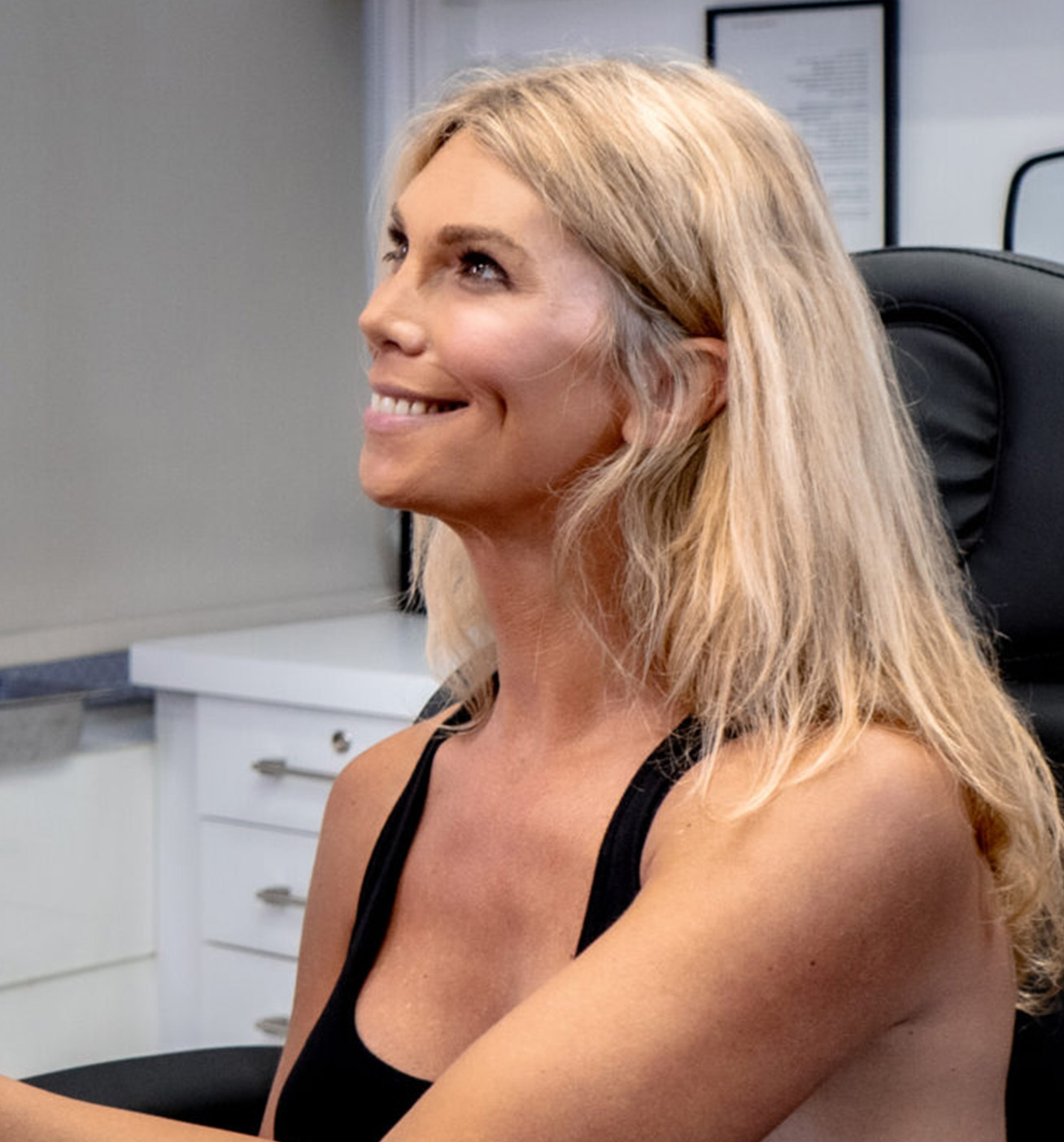
What to Expect, How to Prepare, and Choosing the Right Surgeon
Scheduling an FFS consultation is the critical first step toward facial feminization surgery (FFS). It evaluates your facial anatomy, defines your surgical goals, and produces a personalized treatment plan that covers procedures, the timeline, and cost.
At FFS Institute, consultations are led by a double board-certified facial plastic and reconstructive surgeon with nearly 20 years of experience and thousands of successful FFS procedures. This guide explains how to prepare, what the evaluation involves, and which procedures may be recommended. It also breaks down costs, recovery timelines, and choosing a qualified FFS surgeon.
A facial feminization surgery consultation at FFS Institute is a clinical evaluation in which Dr. Henry Chen assesses your facial bone structure and soft tissues, along with your personal goals, to design an individualized surgical plan. The consultation includes standardized photography, a review of morphing software results, a CT scan referral, and a detailed discussion of recommended procedures and recovery expectations.



Key Takeaways from This FFS Consultation Guide
What Is an FFS Consultation and Why Does It Matter?
An FFS consultation is a specialized clinical evaluation, not a standard cosmetic intake. It combines facial bone structure analysis, CT imaging, and individualized multi-procedure surgical planning rooted in gender-affirming care. At FFS Institute, this assessment is how Dr. Henry Chen builds every surgical plan: from the anatomy of your frontal sinus to the full contour of your lower face.
Standard cosmetic surgery consultations often focus on soft tissue features, such as skin laxity, volume distribution, and surface symmetry. An FFS consultation evaluates the craniofacial skeleton itself: the frontal sinus projection, orbital rims, mandibular angles, and chin structure, assessed together as an integrated unit.
For patients experiencing gender dysphoria, the consultation is the first clinical setting where surgical anatomy and identity goals converge directly. Research has consistently linked FFS to meaningful improvements in mental health-related quality of life for patients, and the surgical plan developed at this first meeting marks the beginning of that process.
FFS Institute’s consultation structure, which involves discussing patient goals, concerns, and priorities, along with detailed craniofacial analysis, CT scanning, and even morphing software, was developed by Dr. Henry Chen, a double board-certified surgeon and former faculty member at Cedars-Sinai Medical Center.
This in-depth preoperative assessment is beneficial, as some patients may require specialized care. Published research indicates that approximately 82% of FFS patients present with Type III forehead morphology, the most anatomically complex category, which requires a frontal sinus setback rather than simple bone reduction.
Who Should Schedule an FFS Consultation?
What Happens During Your First FFS Consultation?
An FFS consultation at FFS Institute follows three phases: facial assessment and medical history, CT imaging and 3D analysis, and discussion of surgical goals and personalized treatment planning. Dr. Henry Chen, a double board-certified surgeon with thousands of successful FFS procedures performed, leads every consultation to ensure your plan is built on precise anatomy, not assumptions.
Initial Facial Assessment and Medical History Review
The initial assessment phase of an FFS consultation evaluates facial bone structure, soft-tissue proportions, and a complete medical history to determine surgical candidacy and guide procedure selection. Dr. Chen examines detailed facial measurements across multiple anatomical zones, identifying which features may benefit from surgical refinement and which already align with your goals.
The facial assessment covers at least six key anatomical landmarks: the forehead, orbits, jaw, chin, nose, and neck. Detailed facial measurements document the spatial relationships among these structures, providing Dr. Chen with a precise, data-driven baseline for surgical planning.
The medical history review covers prior surgeries and any complications, current health conditions, medications, and your support systems after surgery. This information shapes candidacy decisions and helps identify any factors that may affect healing or anesthesia safety.
With nearly 20 years of experience in facial plastic and reconstructive surgery, Dr. Chen evaluates facial measurements and reviews findings not in isolation but as a system, allowing him to build a surgical plan that reflects both your anatomy and your transition timeline.
CT Imaging, 3D Scanning, and Virtual Surgical Simulation
A CT scan and advanced 3D reconstructions allow Dr. Henry Chen to analyze bone density, frontal sinus dimensions, sinus proximity to surgical margins, and soft-tissue relationships with sub-millimeter precision before you enter the operating room.
FFS Institute’s surgical planning draws on the imaging data, which is interpreted through an anatomical framework that Dr. Chen helped establish scientifically.
A CT scan provides detailed 3D imaging, while traditional X-rays are limited to flat 2D views that miss depth and structural detail. With CT, surgeons can precisely measure the thickness of the anterior table of the frontal sinus, the exact depth of the orbital rims, and the bone quality along the jawline and chin.
This level of detail supports more accurate treatment planning, reduces the margin for error in intraoperative estimation, and may lower the risk of complications, such as intracranial entry during frontal sinus setback or injury to the inferior alveolar nerve during jaw contouring.
Speaking of details, a prospective study reported an average surgical accuracy of 90.8% for forehead setback procedures performed with virtual surgical planning and 3D custom guides.
For this reason, FFS Institute also uses advanced 3D scanning technology to generate patient-specific, sterilizable custom surgical guides that translate the virtual surgical plan into precise intraoperative execution. Dr. Chen also offers Virtual FFS (VFFS) simulation, allowing patients to review digital visualizations of proposed surgical changes before committing to a plan.
Surgical Goals Discussion and Individualized Treatment Planning
The surgical goals discussion phase is where Dr. Chen and the patient align on expected outcomes, procedure selection, and surgical staging, translating individual priorities into a concrete, anatomy-informed treatment plan. That’s the foundation of every personalized FFS plan at FFS Institute, ensuring that what you envision and what surgery can realistically deliver are clearly understood before decisions are finalized.
During the consultation, Dr. Chen reviews your facial anatomy directly alongside your stated goals. A key question at this stage is: what procedures do you recommend for my goals? The answer depends on a careful assessment of your bone structure, soft tissue, and the specific features contributing to your dysphoria.
Dr. Chen may recommend forehead contouring, scalp advancement, feminizing rhinoplasty, jaw and chin contouring (genioplasty), a tracheal shave (chondrolaryngoplasty), or a combination of these procedures. However, no two treatment plans will look alike.
Based on that assessment, FFS Institute develops an individualized surgical plan that covers procedure selection, staging decisions, and the surgery timeline. FFS may be performed in a single session or staged across multiple procedures, depending on anatomy, procedural scope, overall health, and safety considerations.
How Should You Prepare for an FFS Consultation?
Preparing for an FFS consultation comes down to three steps: gather your medical records, compile a written list of your goals and questions, and secure a mental health referral letter if your insurance requires one. Arriving organized helps Dr. Chen build a more precise surgical plan from the very first appointment.
A 2022 study in FFS found that patients who engaged actively in preoperative planning reported higher satisfaction with their surgical outcomes. Because clear goals are only part of the process, being equally prepared with the right medical information and mindset helps ensure those goals can be realistically planned and achieved.
Here is what to bring to your FFS consultation at FFS Institute:
- Complete medical records and current medication list: Include all prescription medications, supplements, vitamins, and any known drug allergies so Dr. Chen can assess surgical candidacy and anesthesia safety.
- Hormone therapy history: Document the type of hormone therapy, your current dosage, how long you’ve been on it, and the name of your prescribing provider to help calibrate surgical planning around your current facial anatomy.
- Mental health referral letter: If your insurance plan requires one for pre-authorization, obtain a letter from a qualified mental health professional supporting the medical necessity of FFS.
- Photo documentation of your facial features: At FFS Institute, standardized photos will be taken during the consultation. However, to speed things up, you can prepare them beforehand so Dr. Chen can evaluate your anatomy and discuss potential outcomes.
- A written list of your surgical goals and questions: Prioritize the facial features that concern you most and include specific questions about procedure options, recovery timelines, staging, and cost. It’s best if you put them into writing, so nothing is overlooked during the appointment.
What Questions Should You Ask During an FFS Consultation?
Asking targeted, procedure-specific questions during an FFS consultation correlates directly with better surgical outcomes and patient satisfaction. Surgeons who receive anatomy-specific, credential-specific, and recovery-specific questions deliver more precise answers. As a result, patients leave with a clearer surgical plan, a more accurate picture of the process, and a stronger basis for their decision.
Surgeon Qualification and Experience Questions
Credentials matter more for FFS than for most cosmetic procedures because the surgery involves direct manipulation of craniofacial bone, including the frontal sinus, orbital rims, and mandible. A surgeon’s board certification, fellowship training, and documented case volume directly predict the precision and safety of that surgical work.
Ask these questions at your FFS consultation to verify your surgeon has the credentials the procedure demands.
1. Are you double board-certified, and do you hold an FACS designation? Board certification in facial plastic and reconstructive surgery and otolaryngology–head and neck surgery (ABFPRS and ABOHNS) confirms training across the full anatomical scope of FFS. An FACS (Fellow of the American College of Surgeons) designation signals adherence to ongoing peer-reviewed standards.
2. How many FFS procedures have you completed? High case volume is directly associated with lower complication rates in craniofacial surgery.
3. Do you have peer-reviewed publications on FFS techniques or craniofacial anatomy? Published research signals that a surgeon contributes to the scientific foundation of the procedures they perform, not just applies them. Dr. Chen’s peer-reviewed work, for instance, demonstrates evidence-based expertise specific to the anatomy underlying FFS.
4. Can I review before-and-after photos of patients with facial structures similar to mine? Reviewing anatomically comparable cases confirms that the surgeon can deliver proportional, natural-looking results for your specific bone structure and soft tissue, not a one-size-fits-all template applied uniformly.
Technique, Technology, and Natural Results Questions
The surgical technique used in FFS directly shapes how natural your results look and how visible your scars will be.
Approaches range from endoscopic (minimally invasive, camera-assisted) to open incisions, and from advanced planning tools, including CT-guided navigation and custom surgical guides, all of which affect intraoperative variability. When working on structures as precise as the frontal sinus or orbital rim, the difference matters.
Ask the following questions to ensure your surgical plan reflects the anatomical data behind gender perception rather than a generic template.
1. Do you use an endoscopic or open approach for forehead work? The choice between endoscopic and open access depends on your anatomy and the degree of contouring required. Asking this question helps you understand the trade-offs between incision length, visualization, and control.
2. Do you use CT-guided navigation and custom surgical guides during surgery? CT-guided surgery allows surgeons like Dr. Chen to plan bone removal to the millimeter before the procedure begins, reducing intraoperative variability and supporting more consistent, predictable outcomes.
3. Where are incisions placed, and how are scars managed? Incision placement, whether at the hairline, inside the mouth, or within natural creases, determines long-term scar visibility, making this question one of the most practical to raise before committing to a plan.
4. How do you achieve natural-looking results that align with my specific anatomy? FFS Institute’s approach is grounded in published research on cranial sexual dimorphism, meaning each plan reflects the anatomical data behind gender perception, not a uniform feminine template applied to every face.
Recovery, Results, and Postoperative Support Questions
Recovery and results questions are among the most important to ask before committing to any facial feminization procedure. Patients who enter surgery without a clear picture of their recovery timeline and follow-up plan are more likely to experience post-surgical dissatisfaction. Asking these questions in advance protects your expectations and sets the foundation for a realistic, positive outcome.
Here are the questions that will give you a clear, realistic understanding of what to expect post-FFS:
1. What is the expected recovery timeline for my procedure combination? Recovery length varies based on how many procedures are performed and which facial regions are treated. Comprehensive work will naturally take longer to heal than a single procedure.
2. When will I see my final results? Swelling, particularly in the lower face, may continue improving for up to 12 months. That means you can expect to see final results at around one year post-op.
3. What is the follow-up schedule after surgery? At FFS Institute, follow-up visits are typically scheduled at 1, 3, 6, and 12 months postoperatively, with suture and splint removal around day 7.
4. What postoperative support do you provide? Dr. Chen and FFS Institute see patients the day after surgery, either in the office or at the aftercare facility where they’re staying, to confirm that healing is on track.
How Do You Choose the Right Surgeon for FFS?
The three non-negotiable criteria when choosing an FFS surgeon are: dual board certification that includes a craniofacial or facial plastic surgery fellowship, a high volume of FFS-specific procedures, and a verifiable before-and-after gallery showing consistent, natural-looking outcomes across patients with anatomy similar to yours.
Credentials are the starting point. However, not all credentials are equal. Board certification from a recognized body, such as the ABFPRS or ABOHNS, signals that a surgeon has completed a structured, independently evaluated training pathway. What separates a dedicated FFS specialist from a generalist is fellowship training in craniofacial surgery, the subspecialty that covers bone-level work.
Case volume and peer recognition are the next filter. A surgeon who performs FFS occasionally alongside a broad cosmetic practice is working with a fundamentally different skill set than a specialized surgeon like Dr. Henry Chen, who has performed thousands of successful FFS procedures and has built an entire practice around it.
The consultation itself also reveals what credentials cannot. A surgeon who listens carefully, explains the anatomical reasoning behind each recommended procedure, and never rushes through your goals is demonstrating something no award can certify.
Here’s an overview of what to look for in an FFS surgeon:
| Credential or Factor | General Plastic Surgeon | Facial Plastic Surgery Specialist | Craniofacial Fellowship-Trained FFS Surgeon |
| Board Certification | American Board of Plastic Surgery; covers the full body | ABFPRS or ABOHNS; face-specific certification | ABFPRS and ABOHNS, with a craniofacial or FFS-focused fellowship |
| Surgical Training Focus | Broad: body contouring, breast, face; general scope | Focused on head and neck or facial plastic procedures | Fellowship-level training in craniofacial, including bone work |
| FFS Case Volume | FFS may be offered occasionally alongside other procedures | May have moderate FFS volume depending on practice focus | High-volume FFS practice; surgery is a primary specialty, not a side offering |
| Technology and Planning | Standard surgical planning; may not use CT-based or morphing tools | May use imaging for select cases | CT scan-based anatomical planning and morphing software used in consultation |
| Outcome Data and Recognition | General patient satisfaction data; few FFS-specific awards | May have facial surgery recognition; FFS results vary | Named awards, peer-reviewed FFS research, and national lecturer status |
Which FFS Procedures Are Typically Discussed During a Consultation?
An FFS consultation at FFS Institute covers procedures across three facial regions: the upper face, the midface, and the lower face and neck. Dr. Henry Chen, who has performed thousands of successful FFS procedures, tailors every plan to the patient’s anatomy and goals.
Upper Face: Forehead Contouring, Brow Lift, and Hairline Advancement
Upper-face feminization, which encompasses forehead contouring, brow bone reduction, hairline advancement, and brow lift, is the most frequently performed procedure cluster in FFS, appearing in approximately 77% of cases across several studies.
These procedures reshape the area that carries the strongest gender cues on the face, making them foundational to most surgical plans.
Forehead contouring targets the brow ridge and is planned according to each patient’s underlying bone structure. When the frontal sinus issue is minimal, Type 1 burring is enough to contour the bone. However, Type 3 cranioplasty is used when the forehead has significant projection.
Hairline advancement, also called scalp advancement, surgically moves the hairline forward to reduce forehead height and create a softer, more rounded, feminine frame. Meanwhile, a brow lift addresses brow position independently, raising a flat or low-set brow to a slightly higher arc.
Midface: Rhinoplasty, Cheek Augmentation, and Lip Procedures
Midface feminization addresses the nose, cheeks, lips, and soft-tissue volume through feminizing rhinoplasty, cheek augmentation, lip lift and augmentation, and, sometimes, facial fat grafting. Together, these procedures soften the center of the face, improve proportions between the eyes and mouth, and create the lifted, balanced contour associated with a feminine facial profile.
Feminizing rhinoplasty is planned around three primary goals: dorsal reduction to smooth the nasal bridge, tip refinement to create a lighter and more delicate appearance, and alar base narrowing to improve nostril proportion. Because the nose interacts with surrounding features, rhinoplasty at FFS Institute is nearly always coordinated with other FFS procedures to support a cohesive result.
Cheek augmentation may be achieved with implants, fat transfer harvested from the patient’s own body, or a combination of both, depending on anatomy and goals. The lip lift shortens the distance between the nose and upper lip, giving the lips a naturally fuller, more elevated appearance. Where additional volume is desired, lip augmentation using fillers or fat transfer can complement the lift.
Lower Face and Neck: Jaw Contouring, Chin Reshaping, and Tracheal Shave
Lower-face and neck feminization reshapes four structures that carry strong gender signals: the mandible, chin, larynx, and neck. Jaw contouring, chin contouring, tracheal shave, and neck lift can be planned individually or coordinated as part of a lower-face approach, which is discussed in depth during your FFS consultation at FFS Institute.
Jaw contouring reduces the mandibular angles to narrow and taper the lower face. Chin contouring removes or repositions a segment of bone to refine chin projection and width, often through bone shaving, cutting, or the addition of implants. At FFS Institute, the incisions involved in both procedures are placed inside the mouth, leaving no visible external scarring.
A tracheal shave reduces the prominence of the thyroid cartilage, or “Adam’s apple,” through a small incision in a natural neck crease, with mild to severe discomfort and brief swallowing changes common during early recovery. Note that a neck lift or facelift may also be recommended when skin laxity along the jawline warrants soft-tissue refinement alongside bone contouring.
What Are the Benefits of Facial Feminization Surgery?
Facial feminization surgery provides measurable psychological, social, and functional benefits, including meaningful reduction of gender dysphoria, improved self-esteem, and enhanced social function. A systematic review of 19 studies covering 1,837 patients found that FFS significantly improved quality of life across all seven measured domains, including psychological satisfaction, social integration, and perceived femininity.
The specific benefits FFS may provide include:
Reduction in gender dysphoria: FFS directly addresses the facial features most commonly associated with dysphoric distress, reducing the daily experience of incongruence between appearance and identity.
Improved self-esteem and body image: Patients across multiple studies reported significantly greater satisfaction with their facial appearance postoperatively, contributing to stronger overall self-esteem and a more positive relationship with their reflections.
Enhanced social integration: Research confirms that social integration and functioning improve significantly after FFS, with patients reporting reduced isolation in social settings.
Greater quality of life across multiple domains: Systematic reviews found significant improvement across numerous quality-of-life domains, including psychological satisfaction, aesthetic satisfaction, and physical well-being, following facial gender-affirming surgery.
Low regret rates: Regret rates for gender-affirming surgery, including FFS, are around 1%. That means most patients can expect to be satisfied with their FFS results, especially if an experienced, specialized team performs the surgery.
How Much Does an FFS Consultation and Surgery Cost?
An FFS consultation at FFS Institute is a paid, in-depth planning session that includes standardized photography, a before-and-after case discussion, and a possible review of morphing software results. Total surgery costs depend on the number of procedures. However, a comprehensive multi-area plan can reach six figures. Emmy, FFS Institute’s dedicated patient concierge, handles financial planning and scheduling so patients have a clear picture of costs before committing.
FFS Consultation Fee Breakdown
In-person FFS consultation fees at specialist practices typically range from $100 to $500, depending on the surgeon’s experience and the session’s scope. At FFS Institute, the consultation with Dr. Henry Chen is a paid, dedicated clinical appointment, not a brief intake. The consultation fee reflects the depth of assessment involved.
The consultation fee covers Dr. Chen’s time, a review of your facial anatomy and goals, standardized photography, and the development of a personalized surgical plan. For patients requiring bone-level evaluation, Dr. Chen may refer you for a CT scan to support precise virtual surgical planning.
Virtual consultations at other practices may cost less, with some even offering free teleconsultations. However, these out-of-office meetings come with meaningful clinical limitations. A remote session cannot replicate a hands-on facial assessment, which means the surgical plan developed may be less precise than one built from an in-person evaluation.
Full FFS Surgery Cost Ranges and Payment Components
FFS surgery costs range from approximately $10,000 to $100,000 or more, depending on the number of procedures, surgical complexity, and geographic location. A single procedure, such as a tracheal shave, falls toward the lower end of that range. That said, a comprehensive multi-area plan can easily exceed six figures. Surgeon experience and facility accreditation are among the primary cost drivers.
The total cost of an FFS surgical plan at FFS Institute includes several distinct components. The surgeon’s fee reflects Dr.
Henry Chen’s dual board certification, nearly 20 years of specialized facial plastic surgery experience, and thousands of documented successful FFS procedures.
The facility fee is also a meaningful line item. FFS procedures at the K&B Surgical Center, accredited by the Accreditation Association for Ambulatory Health Care (AAAHC), are performed under general anesthesia, with a board-certified anesthesiologist, continuous monitoring, and full facility support. Additional components may include preoperative imaging such as a CT scan, prescriptions, postoperative wound care supplies, and follow-up visits.
Other factors that influence the total cost include the number of procedures, whether the surgery is performed in multiple stages, and specific techniques used. Geographic variation also matters. Practices in Beverly Hills consistently report higher pricing due to demand and the cost of maintaining accredited surgical infrastructure.
Here’s a bird’s-eye view of FFS costs, depending on the procedure:
| Procedure Category | Typical Cost Range | Notes |
| Forehead contouring | $15,000 to $30,000 | Higher end reflects complex frontal sinus setback; may include brow lift |
| Feminizing rhinoplasty | $7,000 to $12,000 | Three to four hours; open or closed approach depending on anatomy |
| Jaw and chin surgery | $10,000 to $20,000 | Range reflects the extent of bone work; incisions are placed inside the mouth |
| Tracheal shave | $3,000 to $7,000 | Shorter operative time; small incision in the natural neck crease |
| Combined multi-area FFS package | $100,000+ | Shares anesthesia and facility fees; full-face plans can exceed six figures |
How Can Insurance and Financing Cover FFS Costs?
Some insurance plans may provide partial or full coverage for facial feminization surgery when procedures are documented as medically necessary. Prior authorization is required in most cases, and approval depends on the carrier and the strength of supporting documentation. Financing options through CareCredit and Prosper Healthcare Financing can cover remaining out-of-pocket costs.
Insurance coverage for FFS varies significantly by carrier type and state. Preferred Provider Organization (PPO) plans, particularly those regulated under California law, are among the more accessible options for patients. Medi-Cal, for instance, California’s Medicaid program, covers gender-affirming procedures.
Note that some carriers may require prior authorization before you can qualify for coverage. Here’s what you need to do to get pre-authorization for FFS:
- Confirm your plan type: Identify whether your insurance is a PPO, HMO, Medi-Cal, Medicare, or a self-insured employer plan, as the authorization pathway and appeal options differ substantially.
- Obtain a letter of medical necessity: Your surgeon prepares this document, explaining the clinical rationale for each requested procedure, and it forms the core of the prior authorization submission.
- Submit CPT codes for each procedure: A complete, accurate list of Current Procedural Terminology (CPT) codes for every requested surgical area is essential to avoid partial or blanket denial.
Note that these steps improve your chances of getting prior authorization. However, they don’t guarantee it. A structured appeal process may reverse the denial. However, roughly 25% required extended multi-level appeals, averaging seven months before approval was granted.
Fortunately, for patients paying out of pocket or covering costs not addressed by insurance, several financing paths are available. These include CareCredit, Prosper Healthcare Financing, Health Savings Accounts (HSAs), and Flexible Spending Accounts (FSAs).
What Are the Risks and Safety Considerations for FFS?
Facial feminization surgery carries standard surgical risks, as well as procedure-specific considerations. A 2022 systematic review found an overall FFS complication rate of 5.4% across 16 studies. That figure drops when surgery is performed by an experienced specialist, particularly those who are fellowship-trained at an AAAHC-accredited facility with board-certified anesthesia and full hospital admitting privileges.
Common Surgical Risks and FFS-Specific Complication Rates
FFS carries a low overall complication rate. That said, it’s not zero. Common risks associated with facial feminization surgery include infection, bleeding, nerve damage, and anesthesia complications. FFS-specific concerns, particularly frontal sinus complications and temporary numbness, depend on which procedures are performed.
General surgical risks include bleeding, infection, poor wound healing, scarring, unintended hair removal, nerve injury causing weakness or numbness, asymmetry requiring revision, and anesthesia complications such as adverse reactions or airway management challenges.
FFS-specific risks depend largely on which procedures are performed. Temporary numbness or altered sensation, caused by minor nerve involvement during tissue handling, is often associated with brow- and jaw-related work.
Forehead contouring involving the frontal sinus carries a distinct risk: repositioning the frontal sinus anterior table during type 3 cranioplasty can, in rare cases, lead to sinusitis or complications of the frontal bone. Meanwhile, a tracheal shave carries a small risk of temporary hoarseness or swallowing changes while swelling resolves.
How Accredited Facilities and Qualified Surgeons Minimize FFS Risks
Facial feminization surgery performed in an accredited facility by an expertly trained and experienced board-certified surgeon with a qualified care team carries a serious complication rate of less than half of one percent. For this reason, choosing the right setting and the right credentials is the most direct way to reduce surgical risk before a single incision is made.
K&B Surgical Center, where Dr. Chen and the FFS Institute team perform FFS procedures, is accredited by the Accreditation Association for Ambulatory Health Care. This designation requires strict national standards for safety, cleanliness, and quality of care. Every anesthesiologist at the facility is board-certified, and all surgeons, including Dr. Chen, hold full hospital admitting privileges.
With these credentials, every patient can expect a detailed preoperative evaluation to identify anatomy-specific factors that could affect the surgical plan and the surgery, as well as hands-on postoperative care with a 12-month follow-up schedule.
FFS Institute is available for any concerns and urges patients to contact the care team for potential complications, such as fever, sudden increased swelling, significant bleeding, or any change in breathing.
What Is the Recovery Timeline After FFS Procedures?
FFS recovery follows three phases: an acute phase covering the first one to two weeks, an intermediate phase spanning one to three months, and a final refinement phase where full results emerge by the one-year mark. Sutures are usually removed around day seven, most patients return to work at about four weeks, and residual swelling, especially in the lower face, can continue to improve for up to 12 months.
First Two Weeks: Acute Recovery, Swelling, and Pain Management
Swelling and bruising peak at 48 hours after surgery, with most resolving within the first two weeks when postoperative instructions are followed properly. During this period, patients can expect moderate to severe pain, which is managed with a combined over-the-counter (OTC) and narcotic protocol. Most patients transition to light activity by the end of week two.
Swelling and bruising dominate the immediate postoperative period. For single-procedure cases, discomfort tends to be more contained. However, more complex procedures that address multiple facial regions naturally produce more pronounced swelling, extending healing time.
Pain management begins with prescription medication, lasting four to five days, and tapers to over-the-counter options such as Tylenol or Advil afterward. For longer multi-procedure cases, patients stay at an aftercare facility with round-the-clock nursing for the first few days before going home.
FFS Institute structures week one around close, named accountability. Dr. Chen sees every patient the day after surgery to confirm that healing is progressing and pain is well controlled. Emmy also checks in regularly throughout the first week, so no concern goes unaddressed. Sutures are removed, and a wound check is performed approximately seven days later.
One Month to One Year: Scar Healing, Nerve Recovery, and Final Results
Bone healing after FFS procedures occurs between three and six months post-surgery, with nerve sensation returning progressively over the same period. Final aesthetic results, including full scar maturation, become visible approximately 12 months after treatment. FFS Institute schedules structured follow-ups at 1, 3, 6, and 12 months to monitor every stage of this process.
From months 1 through 12, residual swelling will continue to resolve, starting at the top of the face and working downward, with lower-face areas, particularly the jaw and chin, taking the longest to clear. Nerve sensation in the scalp, chin, and lips also returns gradually during this phase.
For visible incisions, such as hairline or coronal scars, scar care during this period is important. Dr. Chen recommends silicone scar gel, gentle massage once cleared, and strict sun protection to prevent darkening. Internal mouth incisions, used for jaw and chin contouring procedures, require continued oral hygiene with an antiseptic mouthwash and careful avoidance of hard foods until the tissue has fully closed.
At the end of this stage, the full aesthetic outcome of FFS becomes assessable, which is why FFS Institute does not perform revision procedures until 12 months have passed. Note that the results are permanent past this point. That said, soft tissue procedures such as fat transfer may evolve gradually with natural aging.
What Should You Know About FFS Revision Surgery?
FFS revision surgery refers to secondary procedures performed on previously operated facial areas to refine or correct results from an initial feminization surgery. The minimum recommended timeline for consideration is 12 months after the initial procedure. One study reported a revision rate of 22.6%, though rates vary depending on procedure type, follow-up period, and the definition of revision.
Revision is most often needed for predictable reasons, including one side of the face healing asymmetrically, soft tissue settling differently than anticipated, and incision healing outside the expected range. That said, some patients undergo revision surgery for additional refinement, most often involving rhinoplasty.
Regardless of the reason, know that timing is not a formality. It is a clinical requirement. Operating before the recommended 12 months has passed carries meaningful risk. After all, residual swelling can obscure the true bone contour, altered tissues remain less pliable, and scar tissue has not yet fully matured, skewing the evaluation and creating problems that would have resolved on their own.
Note that choosing the right revision surgeon is critical. Secondary FFS cases can be more complex than primary procedures, especially considering that the anatomy has been altered, scar tissue changes tissue planes, and prior surgical records must be reviewed to understand exactly what was done the first time.
What Are the Nonsurgical Alternatives for Facial Feminization?
Nonsurgical facial feminization options, including injectable dermal fillers and neuromodulators like Botox (botulinum toxin), can soften certain features and add feminine contour without surgery. These treatments complement surgical FFS. However, they cannot replace surgical work, especially that required for structural changes to bone, such as forehead contouring or jaw reduction.
Nonsurgical options available to FFS patients include:
- Dermal fillers: Hyaluronic acid-based injectables can add volume to the cheeks, lips, and under the eyes, areas that contribute to a softer, more feminine facial contour.
- Botox: Strategically placed injections can relax specific facial muscles and smooth lines, making facial expressions read as more masculine.
- Skin resurfacing treatments: Laser resurfacing, chemical peels, and similar treatments can improve skin texture, reduce pigmentation, and support a smoother complexion commonly associated with a more feminine appearance.
Why Choose FFS Institute for Your Facial Feminization Consultation?
FFS Institute is led by Dr. Henry Chen, a double board-certified facial plastic and reconstructive surgeon with thousands of documented successful FFS procedures and nearly 20 years of specialized experience. Surgical planning incorporates CT imaging to map each patient’s anatomy before any incision, as well as morphing software and before-and-after photo reviews to give patients a preview of potential outcomes.
Specialized FFS Expertise and Nationally Recognized Credentials
Dr. Henry Chen is an experienced, double board-certified, fellowship-trained, FACS-designated facial plastic and reconstructive surgeon and a former Cedars-Sinai faculty member with numerous peer-reviewed publications and sustained national recognition in gender-affirming facial surgery.
Dr. Chen holds dual board certification from the ABOHNS and the ABFPRS. He completed a specialized, highly exclusive fellowship in facial plastic and reconstructive surgery, which awards only 40 positions nationwide each year.
Dr. Chen served as an assistant professor at Cedars-Sinai and has been named a nationally invited lecturer on facial feminization surgery. He has published peer-reviewed research in journals, including original research on cranial sexual dimorphism directly relevant to FFS surgical planning.
That depth of training is reflected in consistent, independent recognition. Dr. Chen has been named a Los Angeles Magazine Top Doctor every year from 2019 through 2026 and a Southern California Super Doctor from 2020 through 2026.
He has also received the Ben Shuster Memorial Award for Most Outstanding Research Paper and the Gordon Award for Exceptional Customer Service and Patient Satisfaction, establishing himself and FFS Institute as trusted, award-winning leaders in gender-affirming facial surgery.
Advanced Imaging, Surgical Planning, and Accredited Facilities
FFS Institute performs facial feminization surgery at K&B Surgical Center, an AAAHC-accredited facility in Beverly Hills, using CT-guided imaging and 3D surgical planning. Every bone contouring decision is mapped in detail before the first incision, with board-certified care teams and full hospital admitting privileges supporting each case.
The surgical planning process begins with a CT scan and a detailed imaging study of the facial skeleton, which is ordered during or after the initial consultation. That CT data allows Dr. Chen to study each patient’s unique bone structure at the millimeter level, which helps build a 3D-assisted surgical plan.
K&B Surgical Center holds accreditation from AAAHC, one of the most rigorous quality standards for outpatient surgical facilities in the United States. Every anesthesiologist involved in surgical procedures at FFS Institute is board-certified, and all surgeons operating at the facility maintain full hospital admitting privileges, ensuring complex cases have a clear escalation pathway when needed.
Dedicated Patient Support from Consultation Through Recovery
FFS Institute provides structured patient support from pre-consultation through a 12-month postoperative follow-up schedule. Emmy, the dedicated patient concierge, manages scheduling, insurance advocacy, and ongoing care coordination. Out-of-town patients receive additional logistics assistance, so each patient can focus on preparation and recovery rather than administrative details.
Before your first appointment, Emmy connects with you for a pre-consultation support call, walking you through the process, answering questions, and establishing herself as your primary point of contact from planning through recovery. She handles scheduling, financial discussions, and insurance pre-authorization support.
Patients traveling from outside the Los Angeles area receive dedicated logistics coordination, including guidance on aftercare facility arrangements and recommended recovery accommodations near Beverly Hills.
That said, FFS Institute’s support doesn’t stop after you leave the operating room. Dr. Chen sees each patient the day after surgery to confirm that healing is progressing as expected. Follow-up appointments are also scheduled at 1, 3, 6, and 12 months to monitor progress.
A Note from Dr. Henry Chen
Facial feminization surgery is a permanent, life-changing, and integral part of your transition. FFS helps you attain a more feminine face that matches your gender identity. Choosing to undergo FFS is a deeply personal and emotional decision, and Dr. Chen wants you to feel confident and supported throughout the process. Dr. Chen aims to listen to your goals and work with you to create a highly individualized surgical plan to achieve them. He will make sure you are fully prepared for surgery and recovery and that all of your questions are answered. After surgery, he will be there step-by-step through the recovery process to make sure you heal as well as possible.

Henry Chen, MD
Facial Feminization Surgery Institute

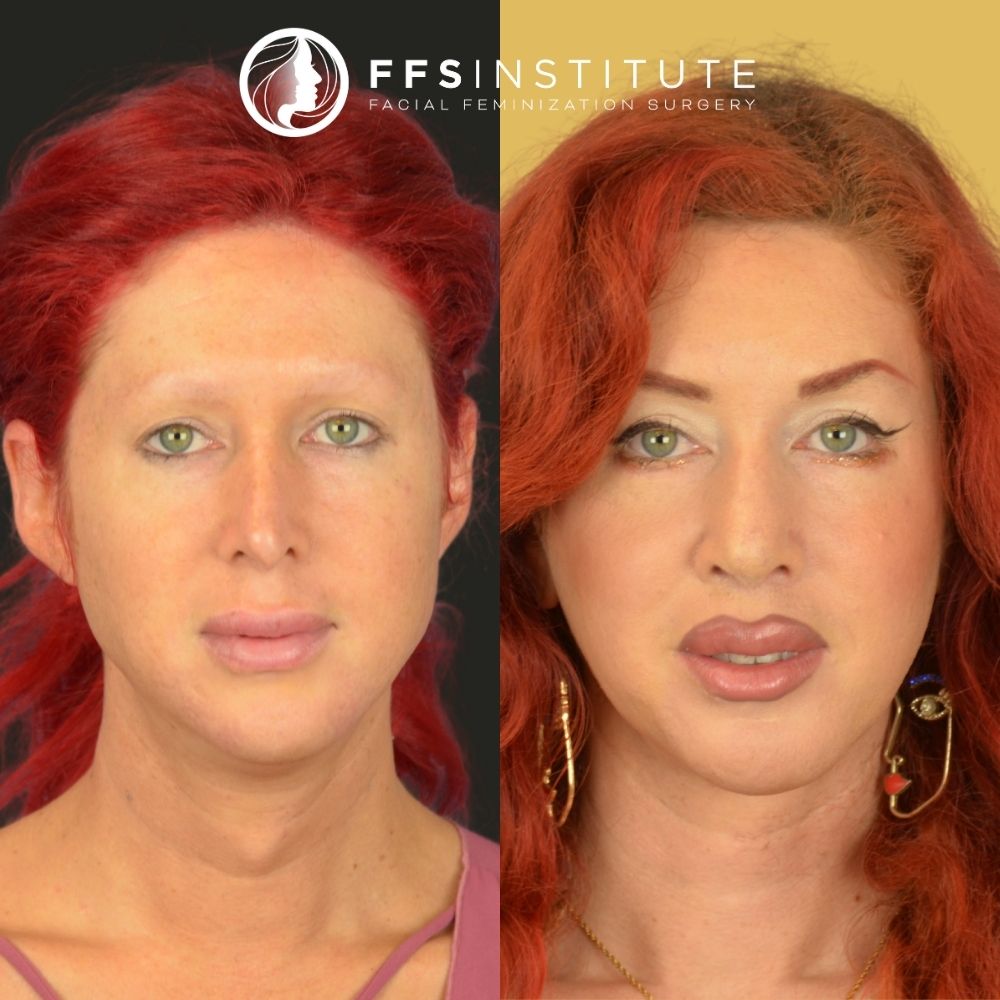
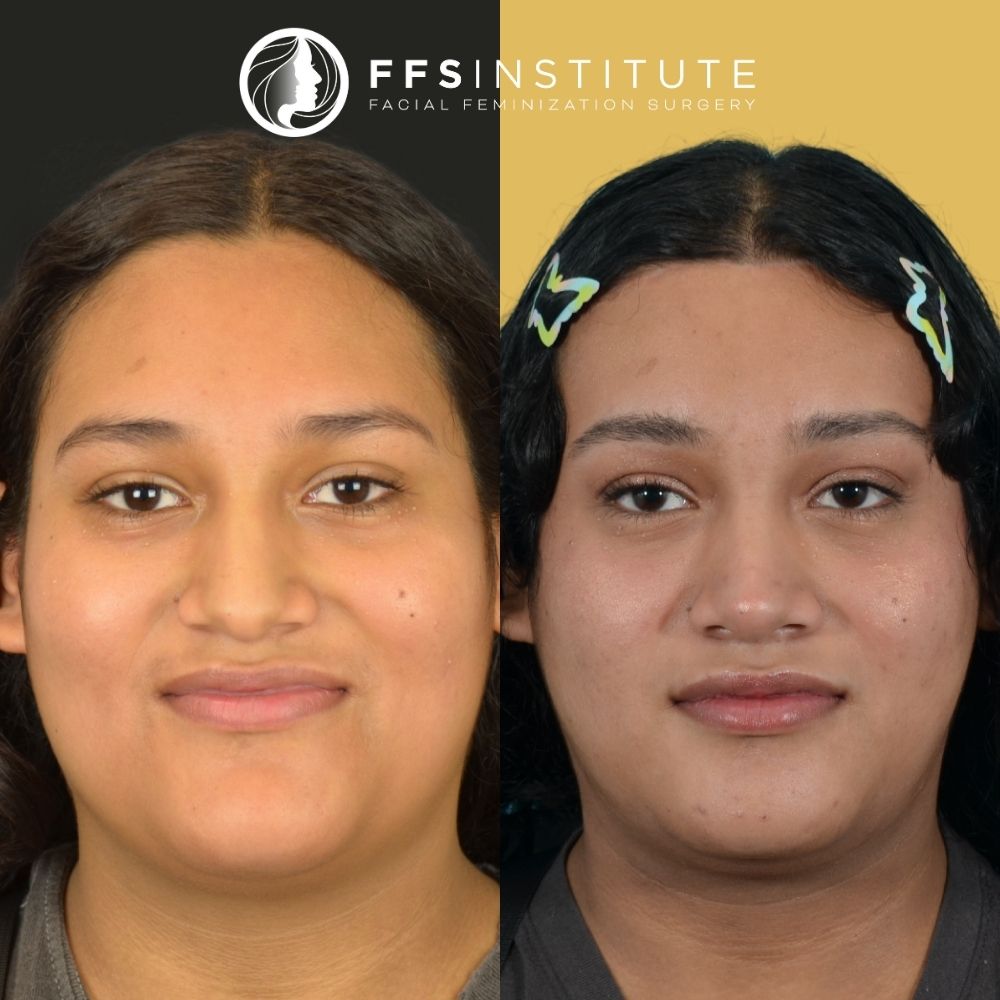
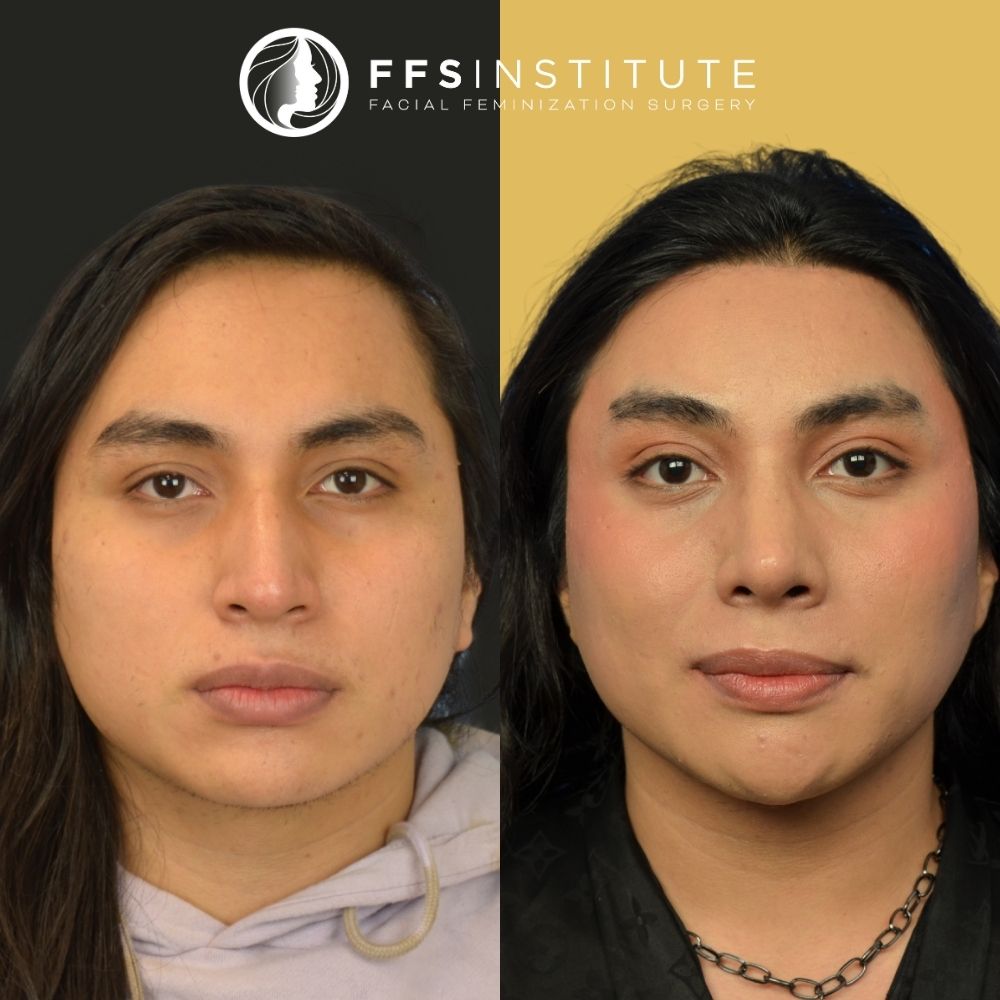
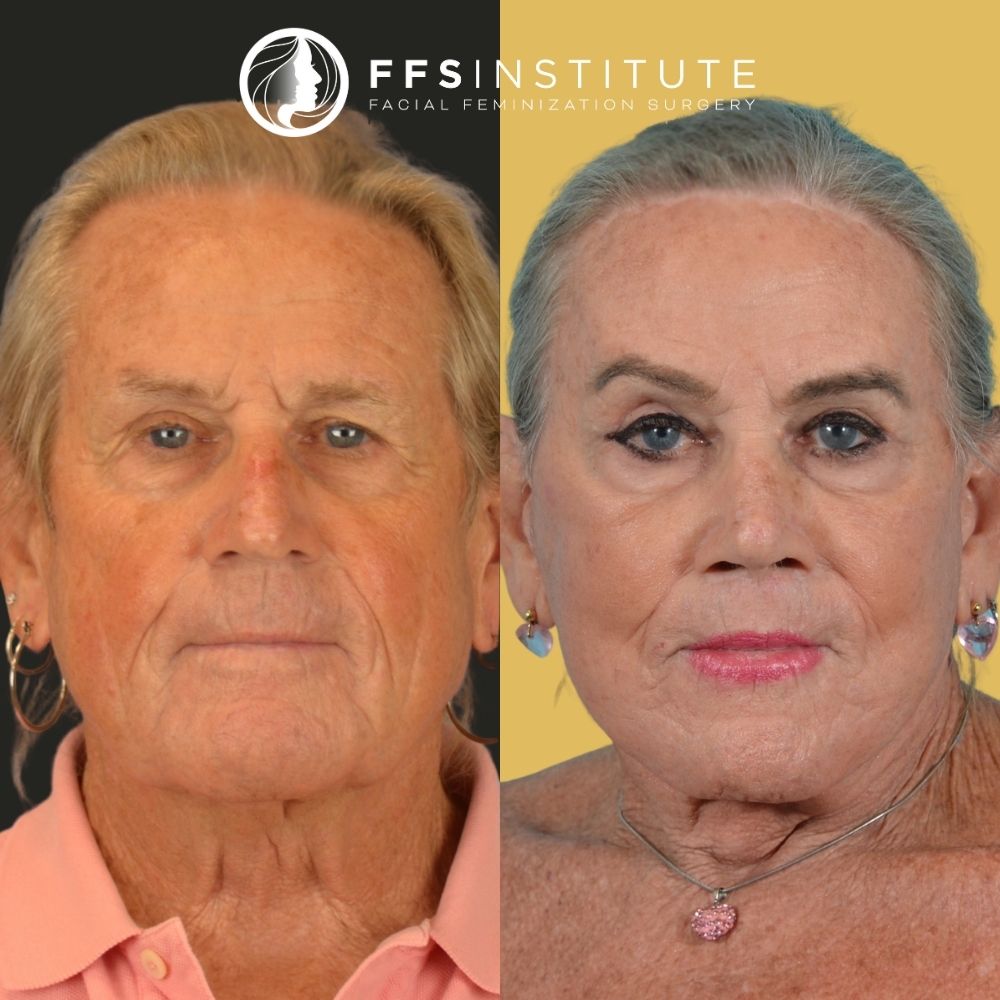
See the Power of Transformation
Explore real results from patients who’ve undergone facial feminization surgery with Dr. Henry Chen. Each transformation reflects the harmony of artistry, precision, and personalized care.
-
 Before
After
Before
After
-
 Before
After
Before
After
-
 Before
After
Before
After
-
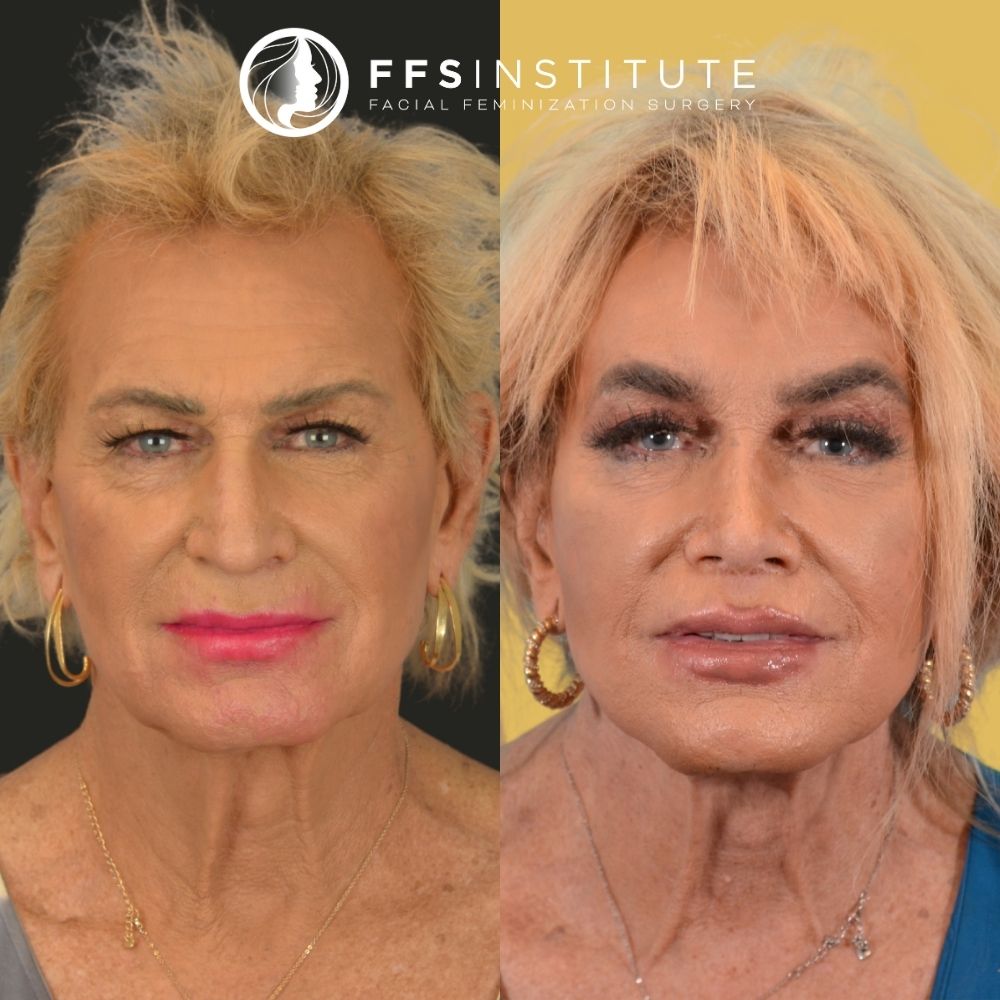 Before
After
Before
After
-
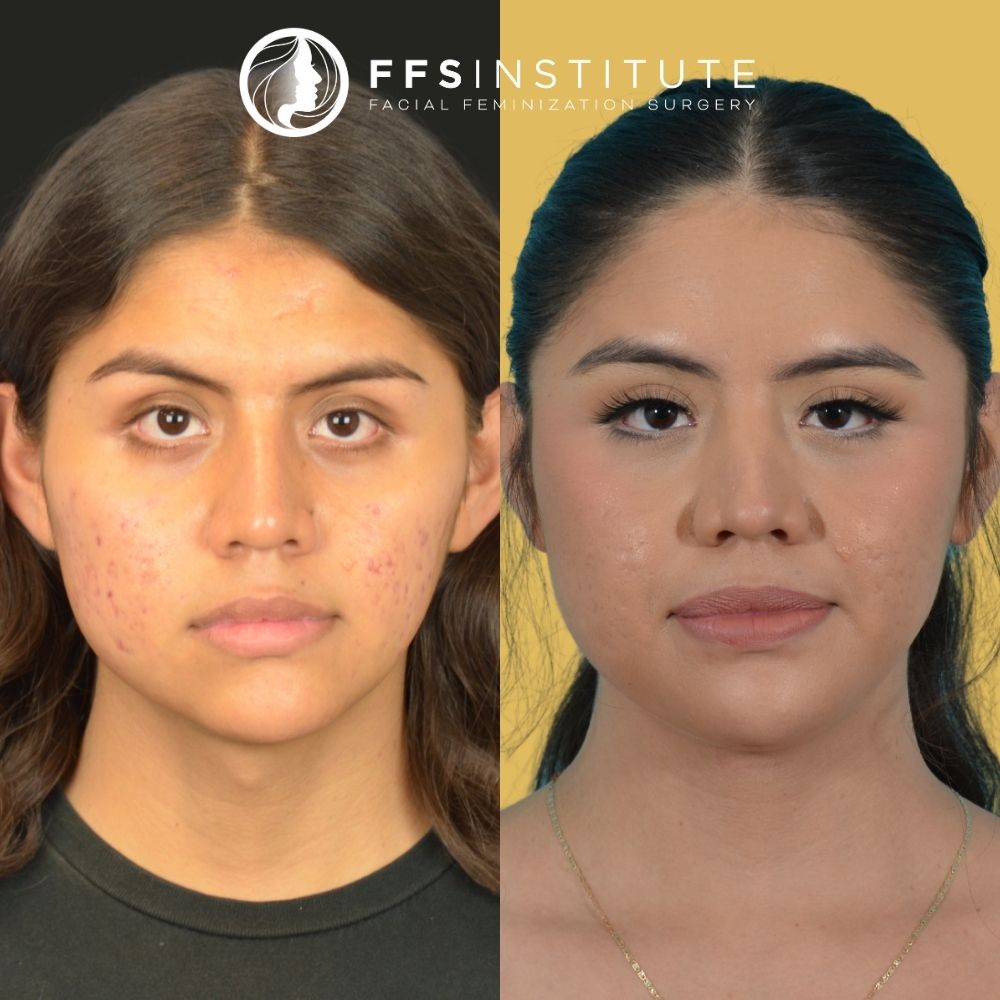 Before
After
Before
After
-
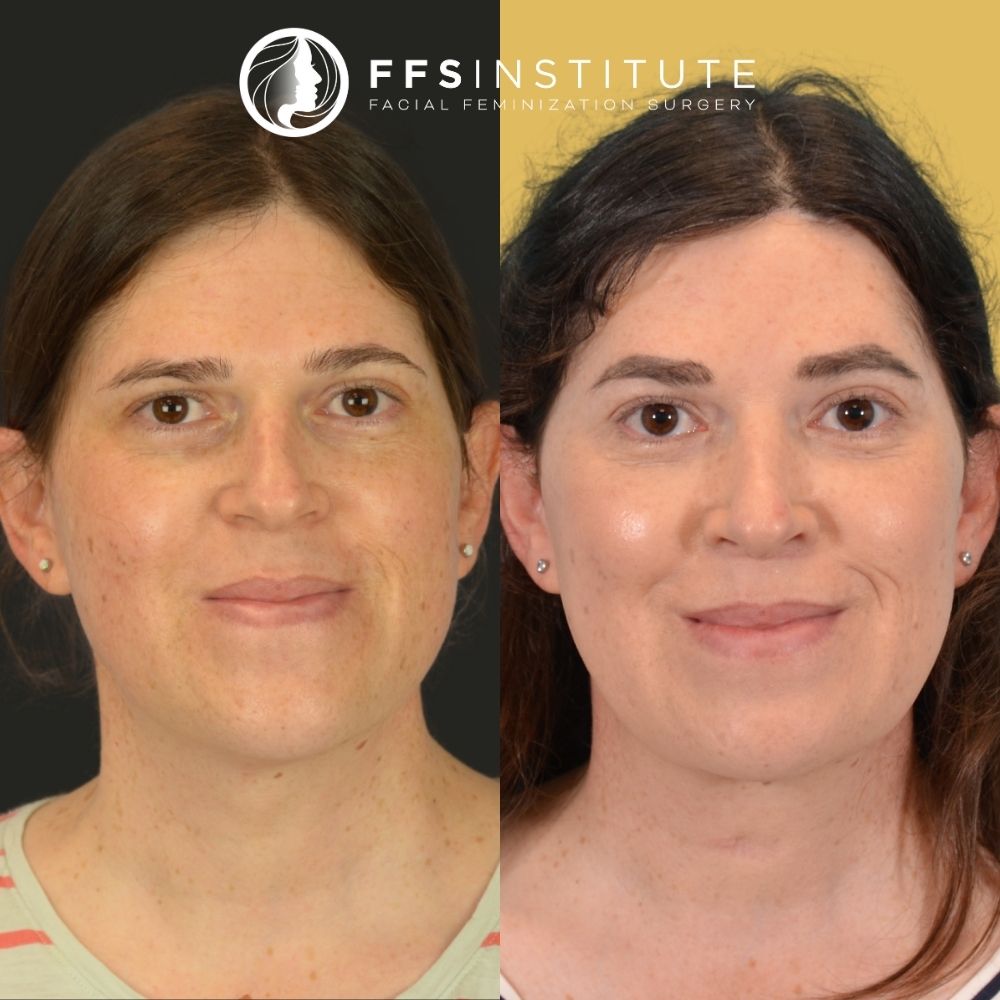 Before
After
Before
After
-
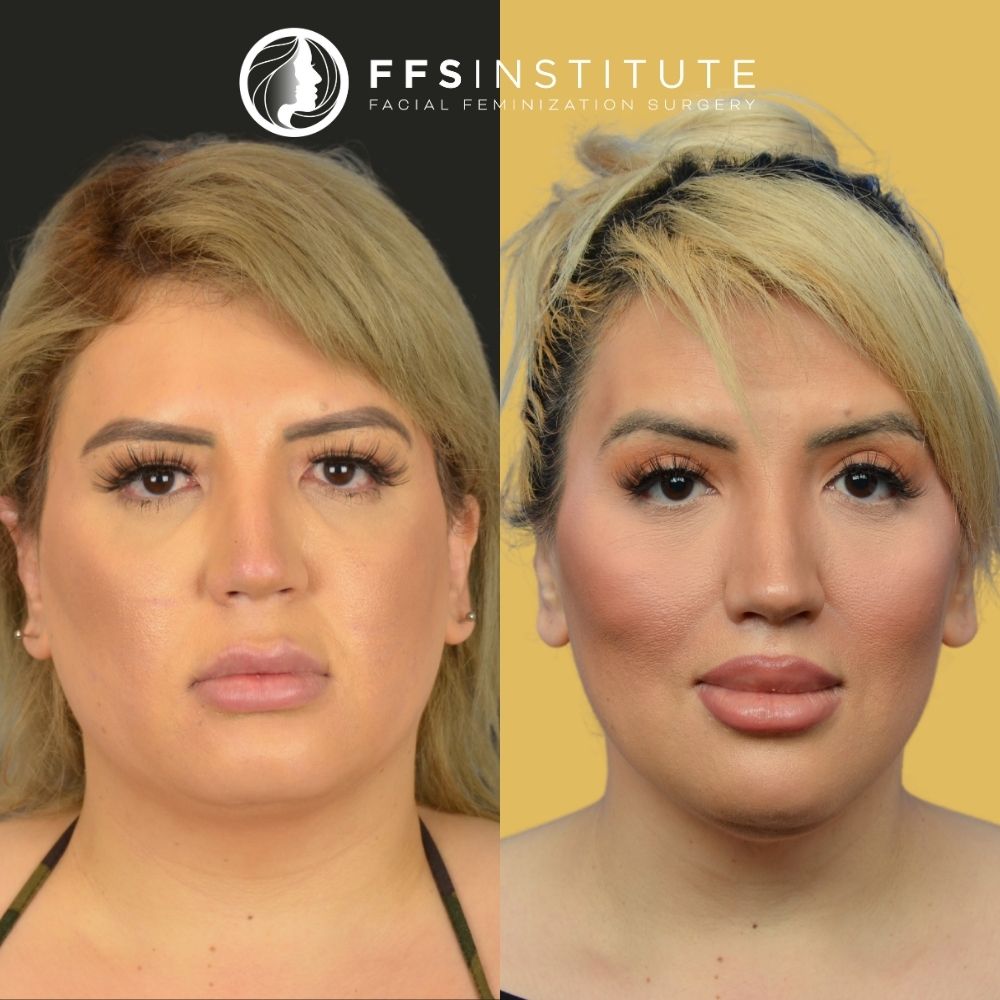 Before
After
Before
After
-
 Before
After
Before
After
Frequently Asked Questions About FFS Consultations
These questions address common concerns about the FFS consultation process, procedures, costs, and recovery at FFS Institute.
Can you complete an FFS consultation virtually instead of in person?
FFS Institute offers both virtual and in-person consultations. Virtual consultations are conducted via video call, allowing you to discuss your goals and review your concerns with Dr. Chen remotely. However, they cannot include a physical examination or 3D CT imaging, which in-person consultations provide, both of which are essential for precise bone-level surgical planning.
How long does a typical FFS consultation appointment last?
An FFS Institute consultation varies depending on what’s involved, such as whether CT scan imaging is already available for review. However, initial consultations typically last around 20 to 30 minutes, sometimes longer when necessary, as Dr. Chen does not rush. During the appointment, patients can expect a focused facial assessment, a discussion of goals, and the early framework of a personalized treatment plan.
Do you need a therapist referral letter before scheduling an FFS consultation?
A therapist referral letter is not required to schedule an FFS consultation at FFS Institute. The letter of support, which is required by the WPATH Standards of Care from a fully licensed mental health clinician, is primarily needed before surgery, especially for insurance coverage, not before your initial consultation. You’ll have time to obtain it between your consultation and your surgical booking.
Does facial feminization surgery hurt, and how is pain managed?
FFS is performed under general anesthesia, so no pain is felt during surgery itself. Postoperative discomfort is moderate to severe in the first several days and managed with prescription pain medication, transitioning to over-the-counter options like Advil or Tylenol as healing progresses.
How soon after a consultation can FFS be scheduled?
Surgery at FFS Institute is scheduled once your personalized surgical plan is in place, including any required insurance pre-authorization and medical clearance. At that point, Emmy will walk you through available dates, logistics, and financial details so everything feels clear and manageable. There’s no strict time frame. When you’re ready, you can reserve your surgery date at a pace that works for you.
What is the difference between in-person and virtual FFS simulation?
Virtual FFS (VFFS) simulation is a photo-based digital preview of potential surgical results, typically used before or between consultations. In-person simulation at FFS Institute uses morphing software alongside standardized photos to explore outcomes directly with Dr. Chen. Before-and-after gallery photos provide additional outcome reference for both formats.
Can FFS be covered by insurance, and what documentation is required?
Some major insurance carriers may provide partial coverage for FFS when procedures are documented as medically necessary for gender dysphoria treatment. Required documentation typically includes a letter of medical necessity from your surgeon, a therapist referral letter, and hormone therapy records. It’s worth noting that insurance coverage for FFS has expanded, but approval still depends on medical necessity documentation, plan rules, and prior authorization.
What support is available for out-of-town or international FFS patients?
FFS Institute supports out-of-town and international patients with scheduling coordination, aftercare assistance, and travel and accommodation logistics. Emmy, the patient care coordinator, serves as the primary point of contact from planning through recovery. Most traveling patients are advised to stay in the Beverly Hills area for about one week after surgery.
Conclusion
An FFS consultation is the clinical foundation of every successful facial feminization outcome. Thorough preparation, targeted questions, and rigorous verification of surgeon credentials determine results long before any procedure begins.
Three factors matter most when evaluating a consultation. First, look at what the session actually includes. Does it cover detailed anatomical assessment and clear goal-setting? Second, confirm the surgeon’s credentials. Dual board certification in facial plastic and craniofacial specialties is a strong indicator of expertise. Third, understand the cost and insurance landscape before committing to a surgical plan.
For patients ready to take the next step, FFS Institute offers in-depth consultations with Dr. Henry Chen, a double board-certified surgeon who has performed thousands of successful FFS procedures.
To schedule or ask questions before your visit, call (310) 237-1392. Emmy, FFS Institute’s patient care coordinator, will guide you through every step from your first conversation through recovery.
Get In Touch With Us
Dr. Chen is double board-certified by the American Board of Facial Plastic and Reconstructive Surgery and the American Board of Otolaryngology-Head and Neck Surgery.
Call (310) 237-1392 or fill out the form below for a consultation.