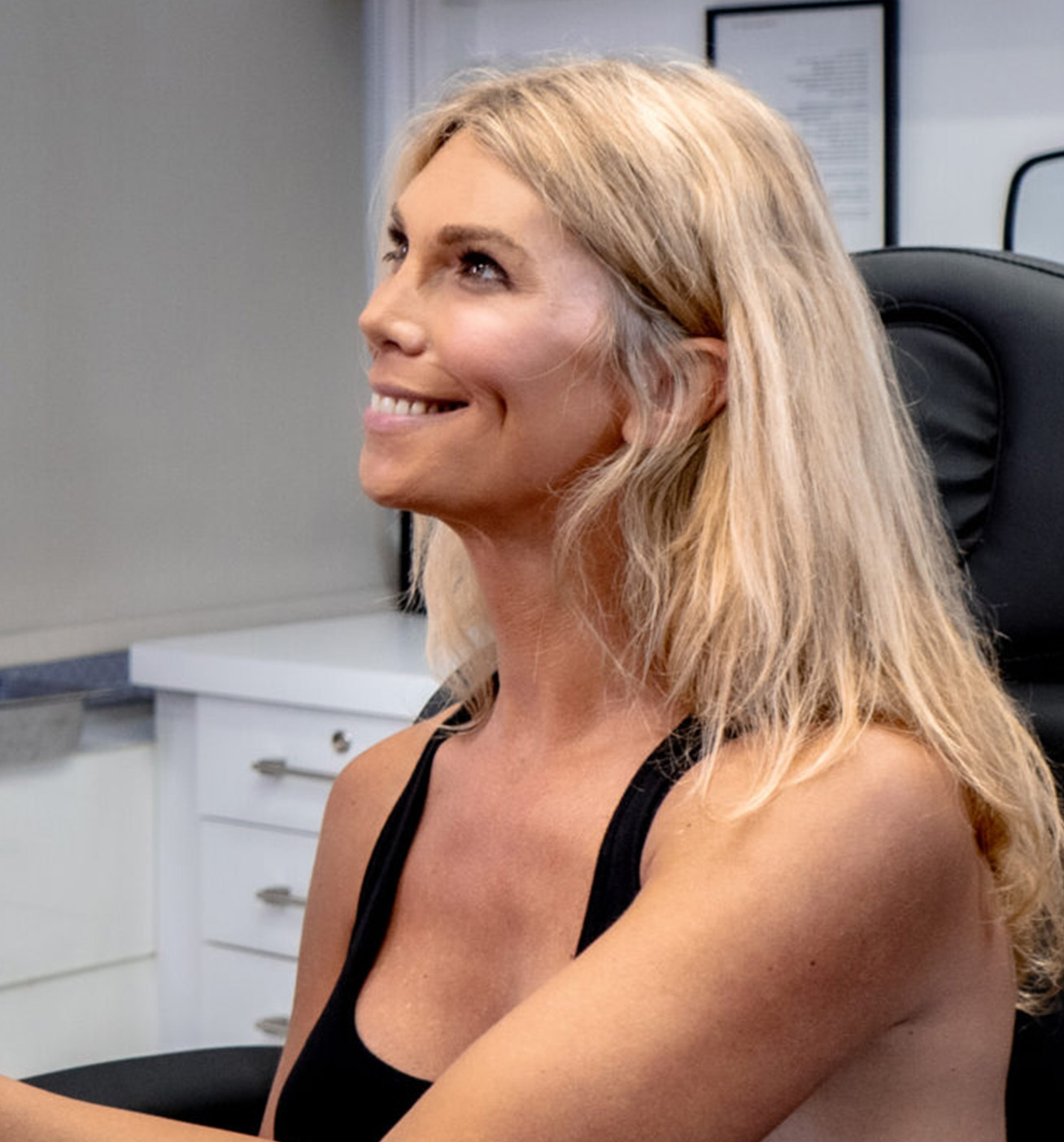
What Feminizing Rhinoplasty Does and Who It’s For
Nose feminization surgery, also called feminizing rhinoplasty, refines the nasal bridge, tip, and rotation angle to create softer, more feminine contours that align with your facial anatomy and gender identity. Achieving natural-looking results requires expertise in craniofacial sex differences and gender-affirming surgical planning. At FFS Institute, lead surgeon Dr. Henry Chen is double board-certified, has performed over 1,000 FFS procedures, and has published peer-reviewed research on rhinoplasty outcomes.



The nose is one of the primary facial features that influences gender perception, and for many transgender women and nonbinary individuals, masculine nasal features can be a source of gender dysphoria. A wider bridge, a broader tip, or a straighter profile may look and feel out of sync with how they see themselves and want to be perceived.
Unlike facial features that can sometimes be softened with makeup, hairstyling, or other nonsurgical approaches, nasal features, such as a wider bridge, fuller tip, or straighter profile, are often difficult to conceal. As a result, it can serve as a persistent reminder of that disconnect, even when other aspects of a person’s appearance feel more affirming and authentic.
Nose feminization surgery, also known as feminizing rhinoplasty, addresses these concerns by reshaping the nose into softer, more feminine contours while preserving facial harmony.
At FFS Institute, every procedure is tailored to the patient’s anatomy and goals. Led by Dr. Henry Chen, who has 20 years of surgical experience and has performed more than 1,000 gender-affirming procedures, our team brings extensive expertise in facial feminization surgery (FFS).
This guide explains what nose feminization surgery involves, who may be a candidate, what the procedure typically includes, and what to expect during recovery. If you are considering facial feminization surgery in Beverly Hills and want to explore whether feminizing rhinoplasty aligns with your goals, call (310) 237-1392 to schedule a consultation with Dr. Chen.
Key Takeaways
What Makes a Nose Look Masculine and How Feminizing Rhinoplasty Changes That
The nose sits at the center of the face and is among the first features processed during facial recognition, making it a prominent source of gender-coded visual cues. For many transgender women and transfeminine individuals, masculine nasal anatomy may feel misaligned with their identity and become a significant source of daily gender dysphoria.
These characteristics arise from measurable differences in bone and cartilage structure, not solely from soft tissue. Research on cranial sexual dimorphism has identified several anatomical features commonly associated with a more masculine nasal appearance, including:
- Higher and more prominent dorsal bridge
- Wider nasal base and bridge
- Lower nasal tip rotation
- Greater tip projection
- A more acute columella angle (the angle between the nasal tip and upper lip).
It’s important to remember that facial features exist along a broad spectrum rather than fitting into rigid categories. Every patient has a unique combination of anatomical characteristics, which is why feminizing rhinoplasty is never a one-size-fits-all procedure.
Dr. Chen’s peer-reviewed study, Assessment of Cranial Sexual Dimorphism Using 3D Reconstruction: Implications for Gender-Affirming Surgery (Journal of Craniofacial Surgery, 34(4), 2023), examined anatomical differences between male and female craniofacial structures and helps guide his approach to gender-affirming nose reshaping.
By measuring these structural differences, surgeons can identify the nasal features that most influence gender perception and plan targeted, natural-looking changes tailored to each patient’s anatomy.
Feminizing rhinoplasty reshapes underlying bone and cartilage to soften features that may appear more traditionally masculine while maintaining natural facial balance. Because these changes involve the nasal framework itself rather than the skin alone, the results are considered permanent.
Beyond aesthetic changes, preserving nasal function is an important part of surgical planning.
In a 2026 study, Functional Outcomes After Feminizing Rhinoplasty, co-authored by Dr. Chen and published in Facial Plastic Surgery, researchers found significant improvements in patient-reported nasal obstruction symptoms following feminizing rhinoplasty. The results suggest that gender-affirming nasal surgery can achieve aesthetic objectives without compromising nasal function and may improve breathing-related quality of life.
What Specific Nasal Features Does Feminizing Rhinoplasty Address?
Nose reshaping targets six specific anatomical features to create softer, more feminine contours while preserving nasal function. These targets rest on measurable anatomical differences in the nasal structures of men and women, not on aesthetic preference alone.
- Nasal bridge narrowing uses osteotomies to reposition the nasal bones and reduce overall width, creating more delicate facial contours aligned with feminine proportions.
- Dorsal hump reduction removes excess bone and cartilage along the bridge, creating a straighter or slightly concave profile and softening the side view.
- Tip of the nose refinement reshapes cartilage for a softer, more defined appearance rather than a broad or heavy structure.
- Tip rotation adjustment raises the angle relative to the face, a shift typically read as more feminine.
- Columella repositioning corrects the downward projection of the columella (the tissue between the nostrils) to balance rotation and overall nasal proportion.
- Nostril reshaping reduces nostril flare or width where anatomy requires refinement, creating a more delicate nasal base.
How Is Nose Feminization Surgery Different From a Standard Nose Job?
Gender-affirming nose reshaping is guided by research on sex-related differences in facial anatomy and focuses on modifying nasal features that contribute to gender perception. This procedure aims not simply to change the size or shape of the nose, but to create nasal proportions that harmonize with the patient’s facial features and gender identity.
In contrast, traditional cosmetic rhinoplasty is typically performed to achieve a patient’s aesthetic goals, such as a smaller, straighter, or more proportionate nose, without focusing on gender-affirming objectives.
There is no universal feminine template. Instead, Dr. Chen builds each surgical plan around the patient’s unique bone structure, cartilage anatomy, and personal goals. For some patients, that may mean reducing the bridge and refining the tip. Others may benefit more from adjustments to the nostrils, the nasal base, or the overall nasal angles to achieve a balanced, natural-looking result.
It is important to understand that the nose cannot be feminized in isolation. It must be planned in harmony with other facial features, including the forehead and jaw, to create cohesive, feminine facial proportions. This individualized, whole-face approach is a defining feature of gender-affirming rhinoplasty.
The procedure’s complexity, combined with the need for specialized anatomical knowledge and an understanding of gender-affirming goals, is what sets feminizing rhinoplasty apart from a standard cosmetic nose job. That’s also why working with an FFS specialist like Dr. Chen is essential.
Open vs. Closed Rhinoplasty: Which Approach Is Used?
Dr. Chen selects either an open or closed nose reshaping approach based on your specific anatomy and surgical goals:
- An open approach involves a small columellar incision between the nostrils, providing full visibility of the bone and cartilage structures during surgery. This visibility enables precise adjustments to internal anatomy that might otherwise be difficult to assess and modify.
- A closed approach keeps all incisions inside the nose, leaving no external scars. This method works well when less extensive structural work is needed.
Both open and closed rhinoplasty can produce excellent outcomes and high patient satisfaction when used appropriately.
Rather than one approach being inherently better than the other, each serves different anatomical needs and surgical goals.
Dr. Chen’s training in facial plastic surgery and craniofacial expertise informs an anatomy-first planning philosophy. The nose’s bone structure, cartilage thickness, skin quality, and your aesthetic goals determine which technique best serves your desired result, not a standard default protocol.
Who Is a Good Candidate for Nose Feminization Surgery?
What Happens During Nose Feminization Surgery, From Consultation to OR
Here are things to expect when you undergo nose feminization surgery at FFS Institute:
1. Pre-Consultation Call With Emmy
Your journey begins with a call from Emmy, your dedicated patient care coordinator, who guides you through the entire process and becomes your primary point of contact from that moment forward.
This initial conversation helps establish a direct line of communication with the care team and allows you to discuss your goals before your in-person consultation.
Emmy discusses the timeline, answers your initial questions, and clarifies what each step involves. You’ll understand what to bring, what to expect in your consultation, and how the surgical planning process works.
2. The In-Person Consultation
When you meet with your FFS surgeon, the consultation is designed to help you feel heard and to give the surgeon a complete understanding of your goals and anatomy.
Your surgeon will discuss which nasal features concern you most and how you envision your results looking and feeling. You’ll review standardized photographs taken under consistent lighting and angles, helping both you and the surgeon objectively evaluate your current nasal structure.
The practice may use morphing software to explore potential outcomes together, allowing you to see computer-modeled versions of how your nose might look after nose reshaping. You’ll also review before-and-after cases from other patients so you understand what natural-looking feminization can mean.
In-person FFS consultation fees at specialist practices typically range from $100 to $500, depending on the surgeon’s experience and the scope of the evaluation. At FFS Institute, your consultation is a paid, comprehensive surgical assessment rather than a brief intake appointment.
The consultation fee covers your surgeon’s evaluation of your facial anatomy, a discussion of your goals, standardized clinical photography, and the development of a personalized surgical plan.
3. Facial CT Scan and Surgical Planning
After your initial consultation, Dr. Chen may refer you for a facial CT scan to evaluate your bone structure, cartilage anatomy, and the precise angles and proportions unique to your face.
This imaging enables virtual surgical planning, an evidence-based approach that lets Dr. Chen design your nasal surgery at the computer before entering the operating room.
4. Surgery Day at K&B Surgical Center
On surgery day, you’ll arrive at K&B Surgical Center in Beverly Hills, an AAAHC-accredited facility where your care will be overseen by board-certified anesthesiologists and surgical professionals.
From the moment you arrive, our team of professionals will help you feel safe, informed, and well cared for.
Nose reshaping is performed under general anesthesia, keeping you completely comfortable while allowing your surgeon to work with precision and protecting your airway throughout the procedure.
The surgery typically lasts three to four hours, depending on the extent of bone contouring, cartilage work, and tip refinement required by your individualized plan.
During this time, your anesthesiology team continuously monitors you. At FFS, every surgeon and anesthesiologist is board-certified, holds full hospital admitting privileges, and is equipped to manage any aspect of your care. The surgical setting meets some of the highest safety standards in the country, with full accreditation and a dedicated team focused on your well-being and surgical outcome.
Can Feminizing Rhinoplasty Be Combined With Other FFS Procedures?
Yes, nose reshaping is commonly combined with other facial feminization procedures as part of a coordinated surgical plan.
Procedures frequently paired include forehead contouring, jaw contouring, chin surgery, tracheal shave, brow lift, upper lip lift, fat grafting, and scalp advancement.
Safety and surgical limits determine which procedures can be combined in a single surgery. Surgeon expertise, anesthesia tolerance, patient health, and anatomical complexity all influence how many areas can be safely addressed together.
Most patients undergo facial feminization in two stages, with procedures spaced to allow soft tissues time to heal between major operations. Single-stage surgery is available for select cases, depending on the number of procedures and individual anatomy.
The duration of surgery varies based on the procedures combined. One patient underwent forehead contouring, jaw and chin reshaping, tracheal shave, brow lift, upper lip lift, and revision rhinoplasty, all thoughtfully planned to create natural, harmonious, identity-aligned results.
What to Expect During Recovery From Nose Feminization Surgery
Recovery after nose feminization surgery is a gradual process, and while every patient heals at their own pace, the overall recovery timeline is generally predictable. Factors such as your anatomy, the extent of the surgical changes, and your body’s natural healing response can all influence how quickly swelling resolves and final results emerge.
Understanding what to expect, week by week and month by month, helps you prepare mentally and physically for the weeks ahead. Here’s a general overview of what recovery typically looks like following nose feminization surgery:
- Week One: Splinted and Swelling
After surgery, an external nasal splint is typically placed to support and protect the reshaped bone and cartilage. The splint generally remains in place for approximately one week while the nose begins its initial healing.Bruising, puffiness, and edema are normal and expected during this phase. Puffiness typically peaks in the first few days after surgery, so your nose may look more puffy on day one to three.
On the day after surgery, Dr. Chen will see you for a follow-up check, either at the office or at your aftercare facility, to confirm you’re healing well and your pain is well controlled.
Throughout the first week, Emmy will check on you regularly to monitor your progress and answer any questions.
Around day seven, you’ll return to have your splint removed and your sutures taken out. Your surgeon will perform a careful wound check to confirm that healing is proceeding as expected.
- Pain Management and Comfort
Most patients describe discomfort as mild to moderate during the first few days, though this is manageable with the right approach. Pain typically feels like pressure, fullness, or a headache-like sensation rather than sharp pain.Pain is addressed over-the-counter medications like acetaminophen and ibuprofen, and prescription pain medication as needed during the first few days. Arnica (taken orally or applied topically) is helpful to reduce bruising and puffiness.
Most patients transition off prescription medication quickly and find that over-the-counter options are sufficient for any remaining discomfort.
- Weeks Two Through Six: Initial Contours Emerge
By the end of week two, most patients are feeling more comfortable as swelling and bruising continue to improve.While early healing is well underway, the nose is still recovering, and activity restrictions generally remain in place until patients are cleared to return to work.
Between weeks three and five, the initial nasal contours begin to emerge as puffiness gradually subsides. You’ll notice your nose starting to look closer to its intended shape, though expect continued improvement as the weeks progress.
- Return to Work and Restrictions
One of the most important recovery rules is to avoid nose blowing for at least one month after surgery. When you blow your nose, air can infiltrate the facial tissues beneath your surgical sites, potentially disrupting healing and increasing the risk of infection.Your surgeon will provide detailed instructions on how to gently clear nasal passages without blowing if needed.
Most patients can return to light work around the two-week mark, with the option to return to remote or desk-based work even sooner if they feel ready.
Strenuous activity, heavy lifting (more than 15 pounds), and intense exercise should be avoided for at least two weeks until your surgeon provides clearance.
- Months Three Through Six: Steady Improvement
Around this time, approximately 80% of swelling has typically resolved, and the overall shape of the nose is becoming more apparent. While most visible healing has occurred by this stage, subtle swelling remains.Further improvements in definition and contour can continue for up to a year, and sometimes longer, as the healing process reaches completion.
- Month Twelve: Final Results
Final nasal contours are typically visible around the one-year mark, once all deep tissue swelling has fully resolved and the results come into focus.That’s why revision surgery is often not considered before the twelve-month mark. Reshaping too early, before final results are truly visible, can lead to over-correction or unnecessary changes.
- Scheduled Follow-Up Visits
You’ll have follow-up appointments scheduled at one month, three months, six months, and twelve months after surgery.These visits allow Dr. Chen to monitor your healing progress, assess the development of your final nasal contours, and confirm that everything is progressing as expected.
Recovery doesn’t end when you leave the surgical center. If questions come up or something doesn’t feel quite right, you can reach out to your care team by phone or text. We encourage patients to stay in touch and ask questions whenever they need reassurance or guidance.
Nutrition, Scar Care, and Healing Support After Rhinoplasty
A nutrient-rich diet provides the building blocks needed for tissue repair and recovery. High-protein foods, leafy greens, and anti-inflammatory options like pineapple support tissue repair and may help reduce recovery-phase edema and bruising:
- Protein intake should remain consistent throughout recovery, as collagen synthesis depends on adequate amino acids.
- Leafy greens provide vitamin K, which supports blood clotting and may reduce bruising severity in the early weeks.
Proper scar management can also help incisions heal as discreetly as possible. Silicone scar gel applied to incision sites supports scar maturation once wounds are closed.
Begin application once your surgeon confirms full closure, typically one to two weeks after surgery.
Gentle scar massage can begin one to two weeks after surgery, once your surgeon confirms the incision is stable.
Most patients also use cold compresses during the first two weeks after surgery to help reduce inflammation and improve comfort. Cold packs should be applied for 5 to 10 minutes at a time with a soft cloth placed between the skin and the cold source to protect the healing tissues. Follow safe timing guidelines to avoid skin damage.
Aside from these, protecting healing incisions from sun exposure is an important part of scar care. Once approved by your surgeon, applying a broad-spectrum sunscreen of SPF 30 or higher can help minimize discoloration and support optimal scar maturation.
Saline rinses are commonly used after nasal surgery to help keep the nasal passages clear and comfortable during recovery.
Depending on your postoperative plan, Dr. Chen may also recommend supportive measures, such as cold compresses and Arnica, to help manage bruising and swelling during the early stages of healing.
What Are the Risks of Nose Feminization Surgery?
Like any surgical procedure, feminizing rhinoplasty carries potential risks. Understanding these risks helps you make an informed decision and take practical steps to minimize them.
General Surgical Risks
Feminizing rhinoplasty involves general anesthesia and incisions, which means certain surgical risks apply.
- Pain or discomfort: Most patients experience mild to moderate discomfort during early recovery, typically managed with prescribed and over-the-counter pain medication.
- Bleeding: Some bleeding is normal during surgery. Excessive bleeding requiring intervention is uncommon.
- Infection: Infection is one of the more commonly reported complications following facial feminization surgery. While the overall complication rate across facial feminization procedures is approximately 11.8%, this figure includes a range of issues and varies by procedure. The good news is that most infections can be managed effectively when identified and treated early.
- Scarring: With a closed rhinoplasty approach, incisions are placed inside the nose, leaving no external scars. Open approaches may result in minimal scarring at the columella, which typically heals well.
- Delayed healing: Incisions usually seal within about two weeks post-surgery, though complete internal healing takes longer.
- Asymmetry: In some cases, subtle asymmetry may become apparent as puffiness resolves, and revision surgery may be considered after the one-year healing mark.
- Nerve injury: Temporary or, rarely, permanent changes in sensation or facial movement can occur, though serious nerve injury is uncommon with experienced surgical technique.
- Anesthesia complications: Anesthesia is safe in qualified hands but carries small risks of allergic reactions, breathing problems, or bruising.
Rhinoplasty-Specific Risks
Nose reshaping involves additional considerations specific to nasal anatomy.
- Over-reduction: Aggressive removal of nasal bone or cartilage can result in an over-corrected appearance, a nose that looks too small or delicate relative to overall facial proportions.
- Insufficient support: When cartilage is reduced to create softer contours, the nasal tip may lose structural support over time, potentially causing functional or aesthetic concerns.
- Overaggressive surgery: Excessive bone or cartilage contouring can compromise both appearance and breathing function.
- Voice changes: Some patients notice subtle shifts in voice resonance or quality after nose reshaping. These changes do not impair communication or speech function and are typically minor adjustments that many patients adapt to naturally.
One of the most important factors in reducing surgical risk is choosing a surgeon with extensive experience in gender-affirming rhinoplasty.
Surgeons who perform these procedures regularly are better equipped to navigate anatomical variations, preserve both appearance and nasal function, and make thoughtful decisions throughout surgery. Experience also plays a key role in recognizing and addressing potential issues before they become larger problems.
At FFS Institute, your safety is supported long before surgery begins and continues throughout recovery. Careful preoperative evaluation, meticulous surgical technique, and close follow-up care all work together to promote a smooth healing process and the best possible outcome.
Patients also play an important role by following pre- and postoperative instructions, attending scheduled appointments, and staying in communication with their surgical team. When everyone works together, recovery tends to be safer, smoother, and more predictable.
How Much Does Nose Feminization Surgery Cost?
Nose reshaping as a standalone procedure typically costs between $6,000 to $7,600 nationally, though Beverly Hills pricing ranges from $12,000 to $20,000. When nose reshaping is performed as part of comprehensive facial feminization, total costs can go over $100,000, depending on how many facial areas are addressed in your surgical plan.
Several factors influence the final cost. Nose reshaping typically requires general anesthesia, meaning an anesthesiologist must monitor you throughout surgery, and the surgical facility must maintain full staffing and equipment support.
At FFS Institute, costs also reflect Dr. Chen’s double board-certification in facial plastic surgery and otolaryngology, head and neck surgery, his specialized high-volume gender-affirming experience, and competitive market demand for his expertise. A personalized consultation is the only way to determine your exact costs, since there is no fixed menu pricing for feminizing rhinoplasty.
Insurance coverage for facial feminization surgery continues to expand, but access varies significantly between plans and providers. While some insurers now recognize facial feminization procedures as medically necessary gender-affirming care, coverage often requires extensive documentation and is never guaranteed.
Some PPO (preferred provider organization) plans may provide partial coverage for nose reshaping when it is documented as treatment for gender dysphoria, though approval is not guaranteed. According to Aetna, 93% of commercial insurance policies reviewed addressed facial gender-affirming surgery (FGAS), though 51% still classified these procedures as cosmetic.
Even when a plan includes FFS benefits, coverage decisions depend on factors such as medical records, provider recommendations, plan-specific criteria, and the insurer’s assessment of medical necessity. The review process can take several months, and some patients may need to submit additional documentation or pursue appeals before receiving a final determination. Comprehensive records documenting gender dysphoria and its impact on daily life can help strengthen a claim.
If insurance does not cover the procedure, financing options, such as CareCredit, may help make treatment more accessible, with payment terms typically ranging from 6 to 60 months. Many practices, including FFS Institute, also offer in-house financing options to help make the procedure more accessible.
To help simplify the process, Emmy, FFS Institute’s patient care coordinator, provides insurance navigation support from the start. She can help you gather the necessary documentation, understand your policy’s specific requirements, and navigate the approval process as smoothly as possible.
Why Choose FFS Institute for Nose Feminization Surgery in Beverly Hills?
Nose reshaping is one of the most technically demanding procedures in facial feminization surgery. It requires mastery of nasal bone anatomy, cartilage work, and angle adjustment, combined with an understanding of how the nose interacts with the rest of the feminized face.
Dr. Henry Chen brings the specialized credentials and focused experience that nose reshaping demands. He holds dual board certifications from the American Board of Facial Plastic Surgery (ABFPRS) and the American Board of Otolaryngology–Head and Neck Surgery (ABOHNS).
He completed his fellowship training in Facial Plastic Surgery at Albany Medical Center and the New England Laser and Cosmetic Surgery Center, one of fewer than 40 surgeons selected each year nationally for this competitive training.
His fellowship mentor was Dr. Edwin F. Williams III, a past president of the American Academy of Facial Plastic Surgery (AAFPRS). Dr. Williams’s expertise in craniofacial and nasal anatomy directly shaped Dr. Chen’s surgical approach and evidence-based philosophy.
With 20 years of clinical experience, Dr. Chen has performed over 1,000 successful facial feminization procedures, including nose reshaping procedures.
His work is also informed by original research. Dr. Chen co-authored the peer-reviewed study, Assessment of Cranial Sexual Dimorphism Using 3D Reconstruction: Implications for Gender-Affirming Surgery, published in the Journal of Craniofacial Surgery (2023), and a 2026 paper titled Functional Outcomes After Nose Reshaping, published by Thieme Medical Publishers.
Independent recognition reinforces his specialization. Dr. Chen holds Los Angeles Magazine Top Doctor recognition (2019–2026) and Southern California Super Doctor designation (2020–2026).
On Healthgrades, he holds the Healthgrades Choice designation and has a 4.6-star rating based on 32 independent patient reviews.
He is also listed on the California Pacific Society of Facial Plastic Surgery professional directory, a third-party verification that extends beyond self-reported credentials. One fellow surgeon on henrychenmd.com states, “Dr. Chen does incredible work. As a fellow surgeon, I refer him all my patients who need plastic surgery of the face.”
Patient testimonials highlight the quality of his surgical work and his compassionate approach.
Makayla Hedonia reported having to “blink multiple times” when looking in the mirror after surgery because her results appeared so natural.
Iris Ortega described finally seeing “the same person I have always known myself to be on the inside” reflected in her face.
An independent Reddit reviewer noted that Dr. Chen’s “method and plan” are “informed by trans concerns” in a way that distinguishes his gender-affirming specialization from surgeons who perform nose reshaping as an occasional side procedure.
Valerie Vielmas, who manages social anxiety, emphasized that Dr. Chen “makes you feel safe” in explaining what you need.
Jordyn Rose described her experience as one where Dr. Chen “has given me the dream,” a phrase that captures not only surgical outcomes but the emotional affirmation many feminizing rhinoplasty patients seek.
How to Get Started: Your First Step Toward Nose Feminization Surgery
Considering nose feminization surgery is a personal decision, and it’s natural to have questions, uncertainties, or simply want to learn more before deciding whether surgery is right for you.
At FFS Institute, your journey begins with a personalized consultation designed to help you understand your options, learn about your anatomy, and explore what may be possible based on your goals.
When you reach out, our front office staff will call to welcome you and schedule your appointment. Before your visit, Emmy will connect with you for a pre-consultation support call to answer initial questions and confirm you feel prepared.
During your consultation, you’ll discuss your concerns and aesthetic goals directly with Dr. Chen. You’ll receive standardized photographs documenting your baseline and explore morphing software visualizations to see potential outcomes specific to your nose.
Dr. Chen will also refer you for a CT scan evaluation of your bone structure and cartilage anatomy, allowing surgical planning to be grounded in your individual anatomy rather than assumptions. You’ll review before-and-after cases from similar patients to set realistic expectations.
If you’re traveling from out of town, Emmy coordinates all logistics: surgical timing, placement at an aftercare facility with 24-hour nursing for the first few days, hotel recommendations, and recovery planning. She structures your timeline so you plan to stay in the Beverly Hills area for approximately one week after surgery. You’ll have direct contact with Emmy throughout, so nothing feels uncertain or uncoordinated.
Ready to explore your options? Call (310) 237-1392 or complete our contact form to schedule your consultation with Dr. Chen.
A Note from Dr. Henry Chen
Facial feminization surgery is a permanent, life-changing, and integral part of your transition. FFS helps you attain a more feminine face that matches your gender identity.
Choosing to undergo FFS is a deeply personal and emotional decision, I want you to feel confident and supported throughout the process. I aim to listen to your goals and work with you to create a highly individualized surgical plan to achieve them.
I will make sure you are fully prepared for surgery and recovery and that all of your questions are answered. After surgery, I will be there step-by-step through the recovery process to make sure you heal as well as possible.

Henry Chen, MD
Facial Feminization Surgery Institute

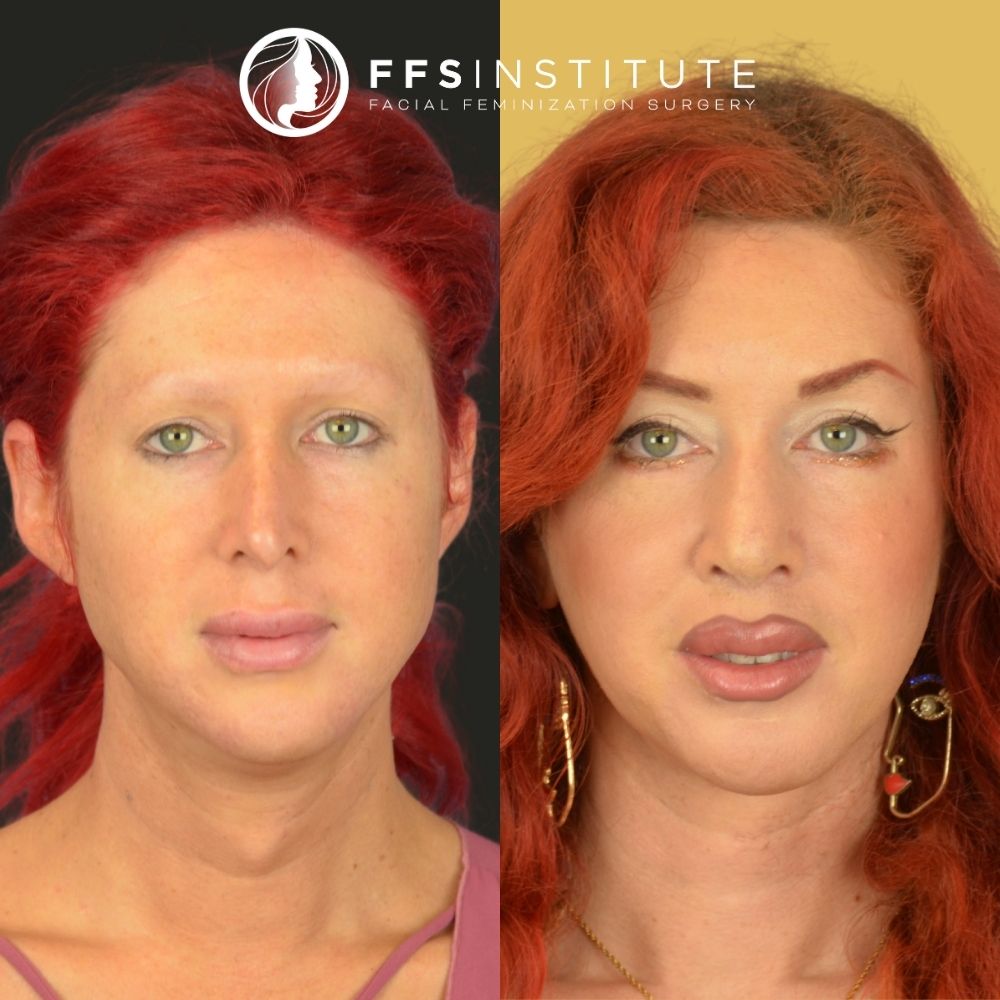
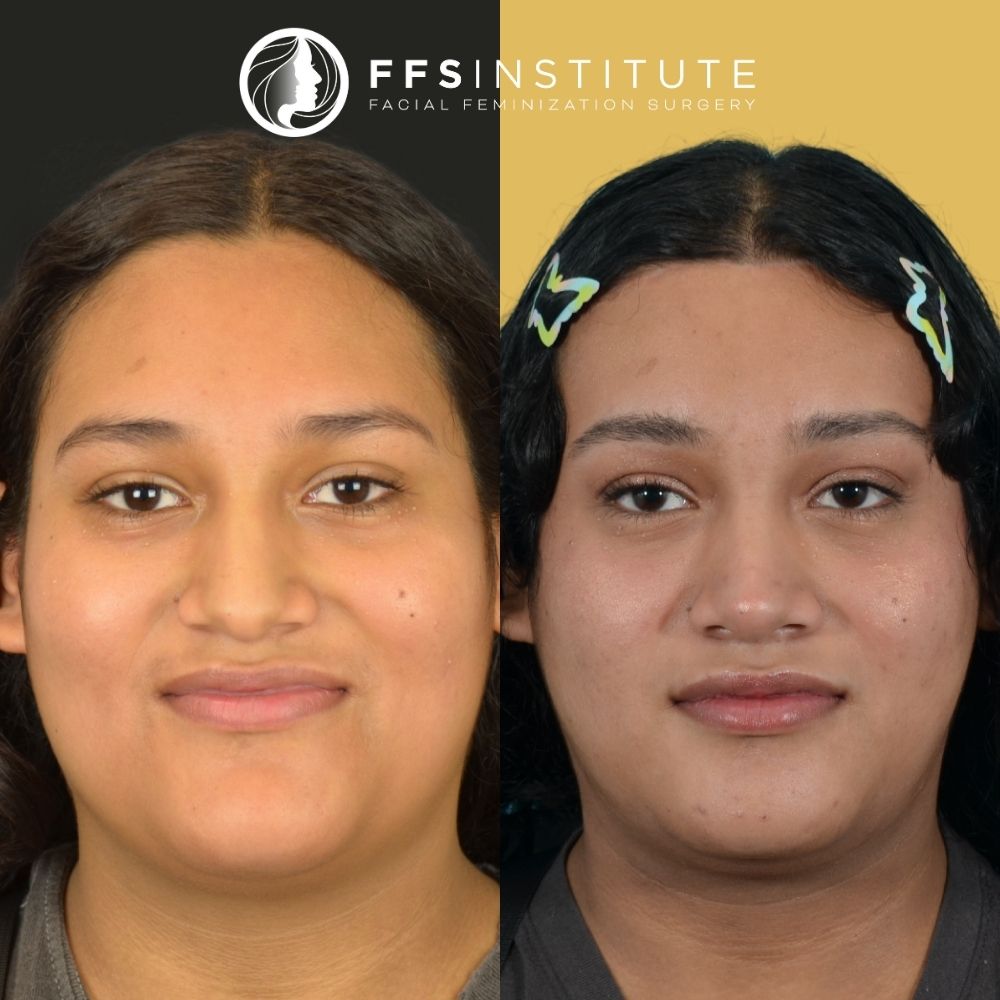
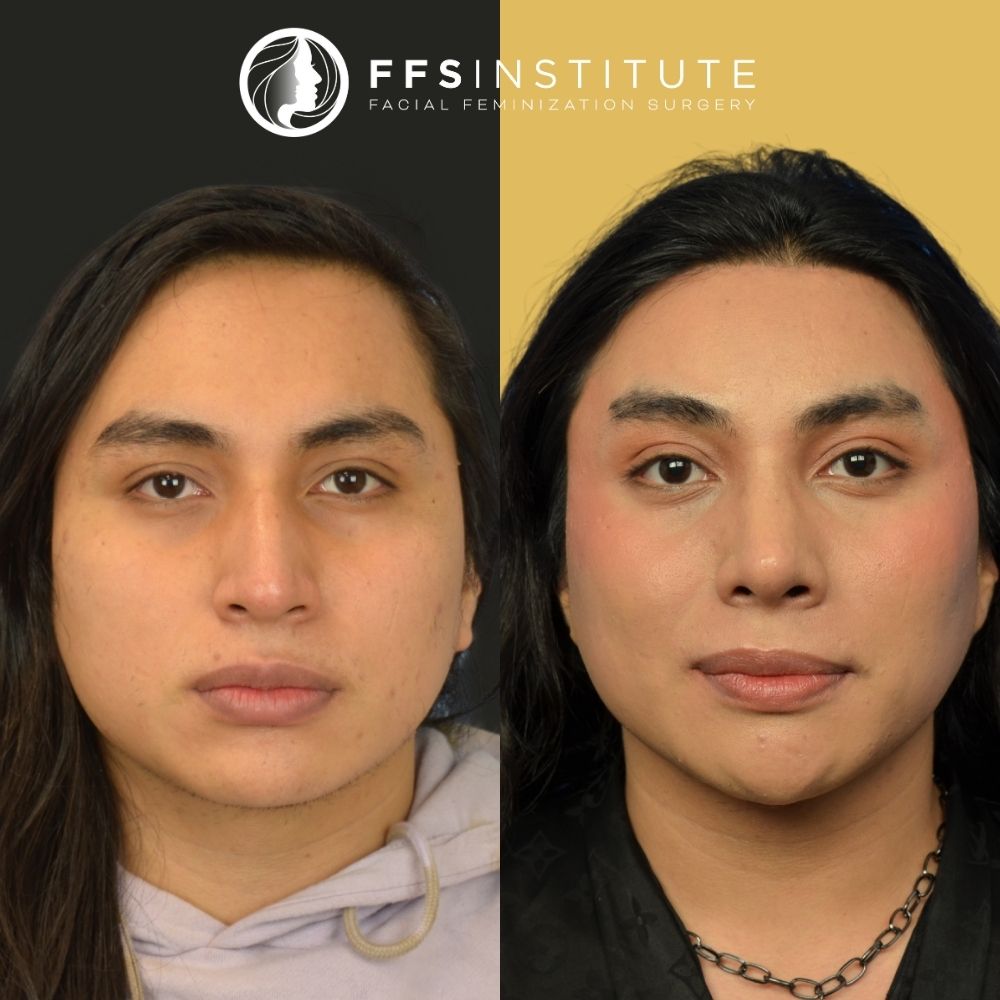
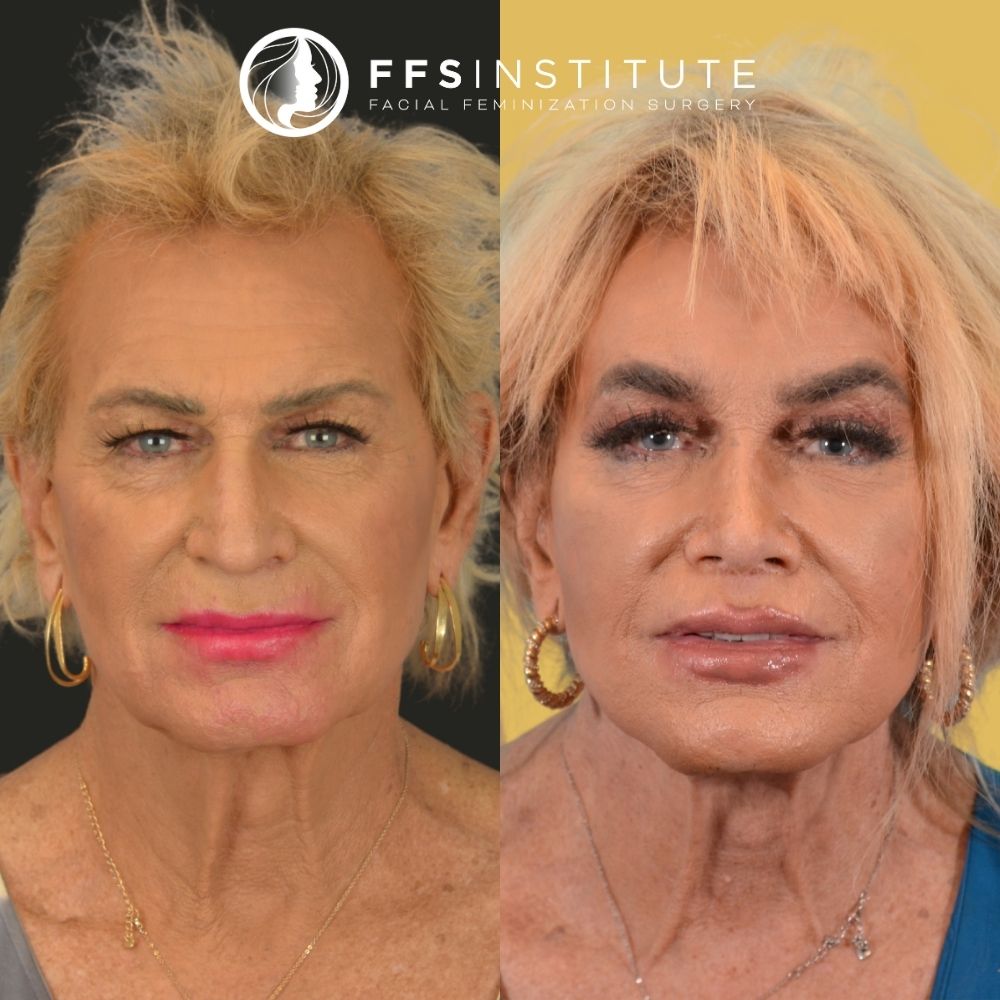
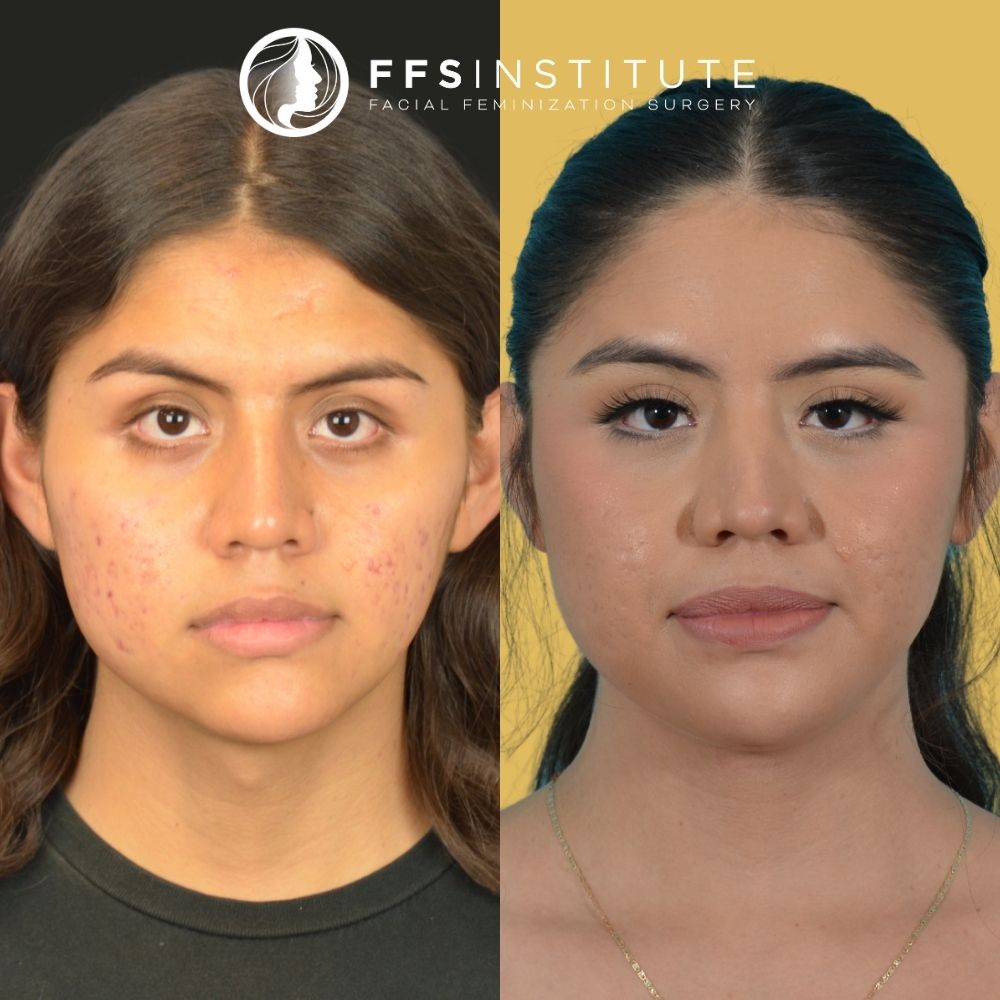
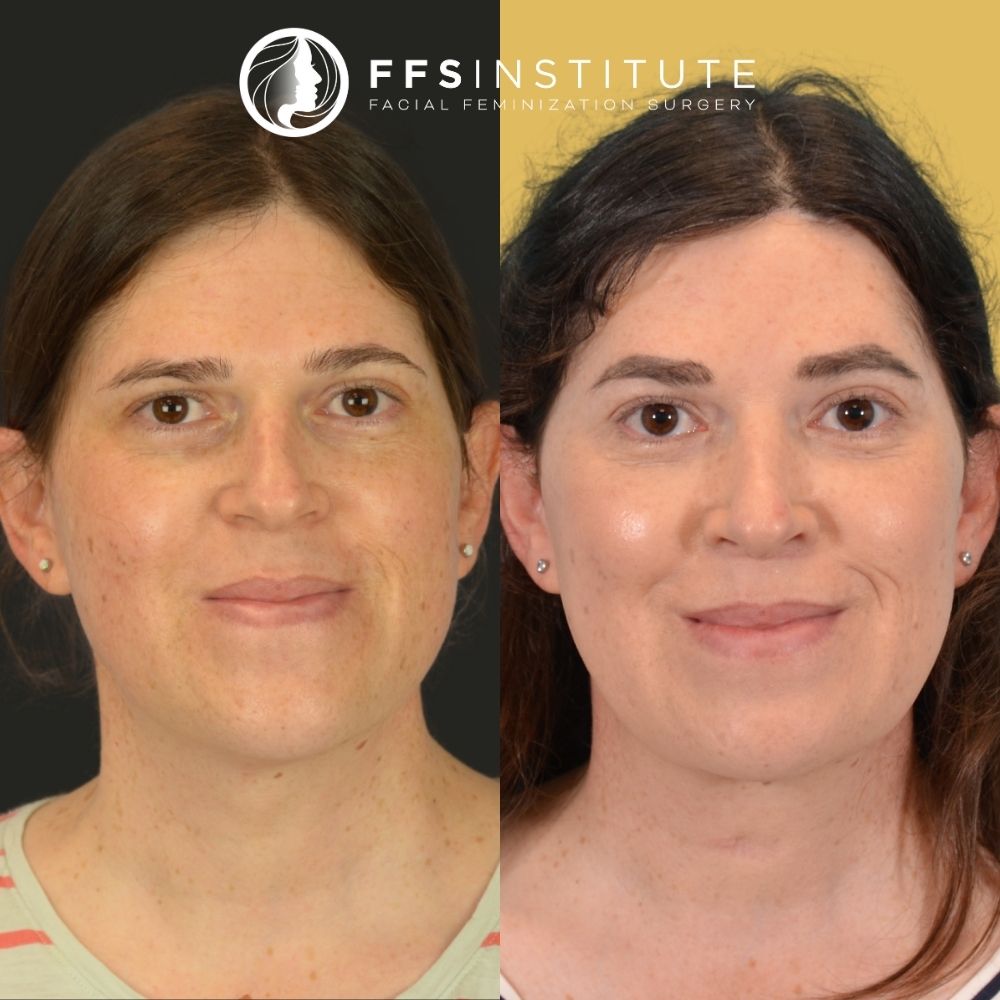
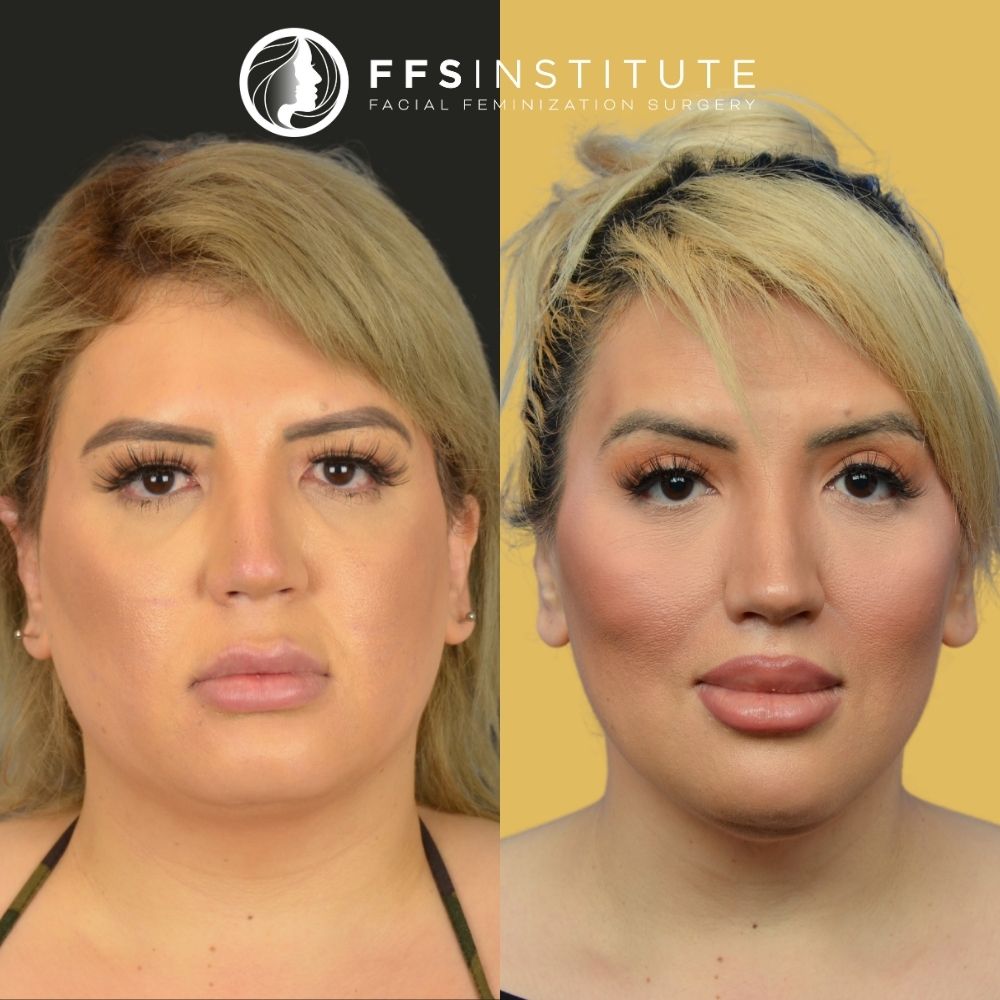
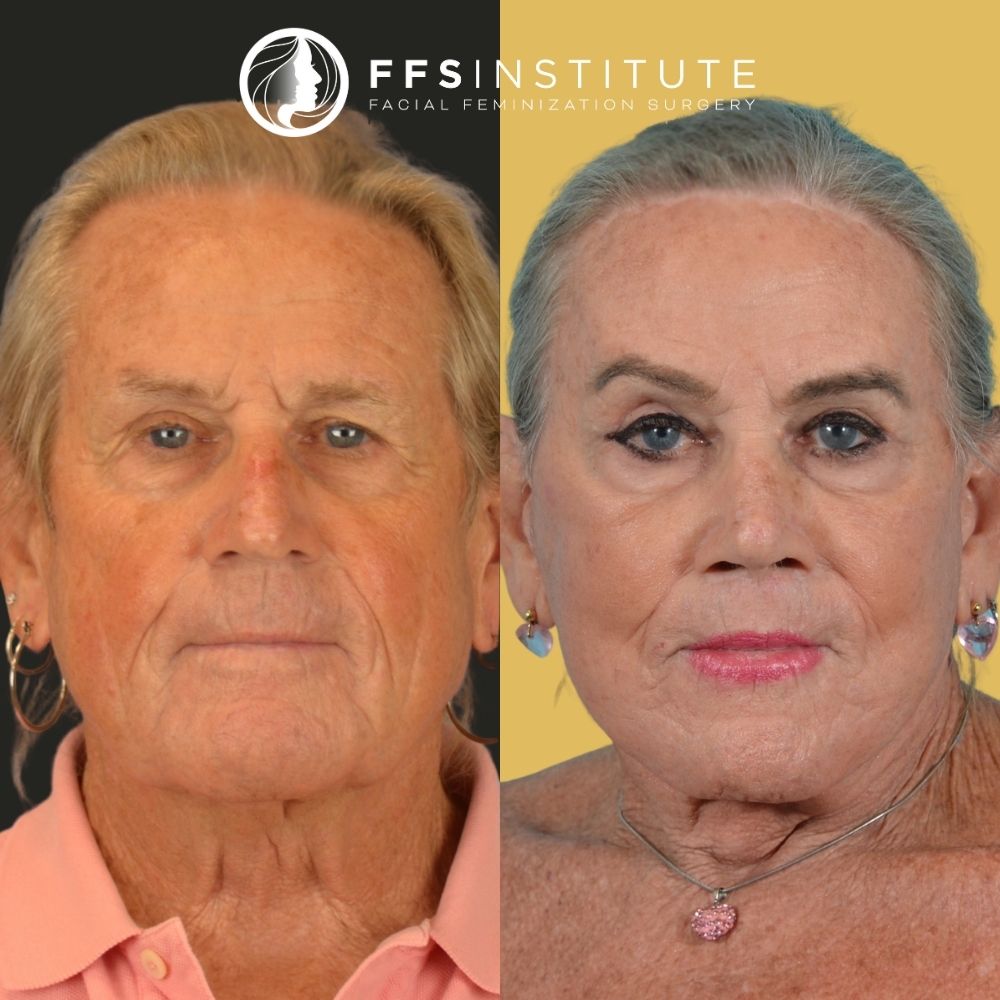
See the Power of Transformation
Explore real results from patients who’ve undergone facial feminization surgery with Dr. Henry Chen. Each transformation reflects the harmony of artistry, precision, and personalized care.
-
 Before
After
Before
After
-
 Before
After
Before
After
-
 Before
After
Before
After
-
 Before
After
Before
After
-
 Before
After
Before
After
-
 Before
After
Before
After
-
 Before
After
Before
After
-
 Before
After
Before
After
Frequently Asked Questions
How long does nose reshaping take?
Nose reshaping typically takes three to four hours under general anesthesia, though the exact duration depends on your specific anatomy and whether additional facial feminization procedures are performed at the same time. All procedures take place at K&B Surgical Center, an AAAHC-accredited facility in Beverly Hills, with board-certified anesthesiologists overseeing your care throughout surgery.
How is nose reshaping different from a regular nose job?
Gender-affirming nose reshaping specifically targets anatomical differences tied to gender perception, not personal aesthetic preference alone. Unlike standard cosmetic nose jobs, feminizing rhinoplasty reshapes the nasal bone and cartilage toward feminine-coded proportions based on facial sex differences. Dr. Chen’s 2023 peer-reviewed research in the Journal of Craniofacial Surgery used advanced 3D imaging to identify these anatomical differences. Because the nose is central to facial harmony, nose reshaping is often planned alongside other facial feminization procedures, such as forehead contouring and jaw reduction, to create a cohesive, identity-aligned result.
When will I see my final results after nose reshaping?
The initial shape of your nose becomes visible within three to five weeks as swelling subsides, though refinements continue over time. Final results typically emerge over approximately 12 months, as lower face puffiness resolves last. At FFS Institute, we schedule follow-up visits at 1, 3, 6, and 12 months to track nasal contour development. Revision surgery is generally deferred until at least 12 months, as lingering swelling can mask the final outcome. Timelines vary by individual anatomy and healing response.
Can nose reshaping be covered by insurance?
Some PPO (preferred provider organization) plans may provide partial coverage for nose reshaping when documented as treatment for gender dysphoria, though approval is not guaranteed. Coverage depends on your insurance plan, supporting documentation, and procedure details. Approval may take several weeks to months and often covers only part of the total cost. Emmy, your patient care coordinator at FFS Institute, helps guide you through each step, from preparing pre-authorization requests and gathering any required supporting letters to communicating directly with your insurance provider.
Is nose reshaping permanent?
Structural changes to bone and cartilage from nose reshaping are permanent once healing is complete, typically around the 12-month mark, although normal aging will continue to affect the surrounding soft tissues over time. Lower face puffiness, including nasal tissues, can continue improving throughout the first year after surgery. After this point, your newly feminized nose will age naturally with soft tissue gradually changing over time, though the refined bone structure remains stable.
What is recovery like after nose reshaping?
Recovery from nose reshaping involves mild-to-moderate pain in the first few days, managed with over-the-counter and narcotic pain relievers that taper gradually as discomfort improves. Splints typically remain in place for approximately one week after surgery to protect the nasal structure. Nose blowing must be avoided for at least one month to allow proper healing. Most patients return to work around two weeks, though light or remote work may be possible sooner with the surgeon’s approval. Lifting is restricted to a maximum of 15 pounds until clearance is granted.
Can nose reshaping be combined with other facial feminization procedures?
Nose reshaping can be combined with other facial feminization procedures in most cases, though the final plan depends on surgical safety, anatomy, and your treatment goals. Two-stage facial feminization is the most common approach, with procedures performed in separate stages to support healing and limit anesthesia time. Single-stage surgery may be an option for select patients. Dr. Chen will determine your individualized combination plan during consultation, prioritizing surgical safety and physical limits as the primary factors in staging decisions.
What makes a surgeon qualified to perform nose reshaping?
A surgeon qualified to perform nose reshaping should have specialized training in both nasal anatomy and facial aesthetics.
Key credentials include dual board certification from the American Board of Facial Plastic Surgery (ABFPRS) and the American Board of Otolaryngology–Head and Neck Surgery (ABOHNS). Additional fellowship training in facial plastic surgery, awarded to approximately 40 surgeons nationwide each year, provides a level of expertise beyond standard residency training. These credentials signal mastery of both nasal bone anatomy and aesthetic facial contour work. Dr. Chen’s published peer-reviewed research on cranial sexual dimorphism and outcomes of nose reshaping demonstrates that evidence-based surgical planning distinguishes qualified specialists in this field.
What nasal features can nose reshaping correct?
Nose reshaping addresses the dorsal hump, bridge width, tip projection and rotation, columella angle, and nostril shape to create softer facial contours. Bone reshaping via osteotomies narrows the bridge and reduces dorsal prominence, while cartilage work refines the tip and adjusts its projection or rotation for a softer appearance. Dr. Chen’s published research on functional outcomes after nose reshaping demonstrates that his approach achieves both structural correction and aesthetic feminization while preserving nasal breathing and airflow.
What is the difference between open and closed approaches for nose reshaping?
Dr. Chen may use either an open or closed nose reshaping approach depending on your anatomy and goals. An open approach involves a small incision across the columella, the strip of tissue between the nostrils, providing the surgeon with a clear view of the underlying nasal structures. This added visibility can be especially helpful when more detailed reshaping is needed. In contrast, a closed approach uses incisions placed entirely inside the nose, leaving no visible external scar. Neither approach is superior. The choice is based on your individual nasal anatomy and surgical objectives.
Conclusion
Nose feminization is about more than changing the shape of the nose to achieve cosmetic goals. For many patients, it is an opportunity to bring their appearance into closer alignment with their identity and reduce a source of ongoing gender dysphoria.
Achieving that outcome requires a surgeon with deep expertise in gender-affirming nasal anatomy and a commitment to individualized planning.
Dr. Henry Chen, our lead surgeon, is double board-certified in Facial Plastic Surgery and Otolaryngology–Head and Neck surgery, and is among the few surgeons worldwide with a practice focused on gender-affirming facial surgery.
Having performed more than 1,000 gender-affirming procedures, he brings extensive experience to the nuanced planning and execution that feminizing rhinoplasty requires. All procedures are performed at K&B Surgical Center, an AAAHC-accredited surgical facility in Beverly Hills.
Research has found that regret following gender-affirming surgery is uncommon (less than 1%) when patients are carefully evaluated, well-informed, and supported throughout the process. For many individuals, nose feminization can be a meaningful step toward feeling more comfortable, confident, and at home in their appearance.
If you are considering nose feminization surgery, a consultation is the best place to start. Dr. Chen and his team can evaluate your anatomy, discuss your goals, and help you understand the options available to create a surgical plan tailored to your unique features. To learn more, call (310) 237-1392 or complete the contact form to schedule a consultation.
Get In Touch With Us
Dr. Chen is double board-certified by the American Board of Facial Plastic and Reconstructive Surgery and the American Board of Otolaryngology-Head and Neck Surgery.
Call (310) 237-1392 or fill out the form below for a consultation.