;)


Best Facial Feminization Surgeons: A Complete Guide to Choosing Your FFS Specialist

If you’re considering facial feminization surgery (FFS), you may already know how challenging it can be to sort through the large amount of information available.
Many surgeons offer FFS, but it’s not always clear who has the craniofacial training, surgical expertise, and clinical judgment required to safely manage complex facial changes.
Because the results are permanent, uncertainty about credentials, planning, and long-term outcomes can understandably be a significant concern.
That’s why choosing the right surgeon is so important.
For many patients, that surgeon is Dr. Henry Chen of FFS Institute. His background reflects a long-standing commitment to facial feminization and facial plastic surgery, including:
- Nearly 20 years of surgical experience with more than 1,000 facial feminization procedures performed
- Double board certification with fellowship training in Facial Plastic and Reconstructive Surgery
- Assistant Professor at Cedars-Sinai, demonstrating ongoing academic involvement and peer-recognized expertise
- National recognition, including Los Angeles Magazine Top Doctor (2019-2025) and Southern California Super Doctor (2020-2026)
- Surgery performed a facility certified by the Accreditation Association for Ambulatory Health Care (AAAHC)
Because facial feminization involves structural planning, aesthetic balance, and medical safety, clear and thoughtful guidance is essential.
At FFS Institute, care is coordinated from the first consultation through post-op follow-up, with careful attention to surgical staging, anesthesia planning, and recovery support.
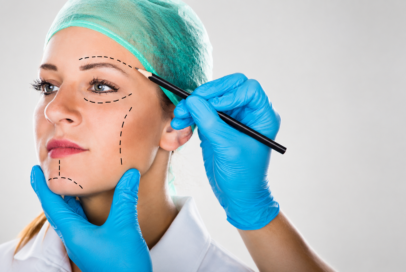
When appropriate, procedures such as forehead contouring, rhinoplasty (nose job), genioplasty (chin contouring), and tracheal shave (Adam’s apple reduction) are planned together, rather than treated as isolated steps.
This guide is designed to help you understand how to evaluate facial feminization surgeons, what to look for in before-and-after photos, how consultations are typically structured, and what to expect during recovery.
It also covers insurance considerations, location factors, and how experienced teams work to minimize the need for secondary procedures whenever possible.
If you’re ready to move forward, you can schedule a consultation with Dr. Henry Chen and the team at FFS Institute by calling (310) 237-1392 or completing the Contact form.
Key Takeaways
- Facial feminization surgery is highly specialized. The most qualified surgeons are board-certified and rigorously trained, with a primary focus on facial plastic and reconstructive surgery rather than general cosmetic surgery.
- Experience matters. Surgeons who regularly perform facial feminization procedures bring a deeper understanding of surgical planning, staging, and risk management across complex cases.
- Top FFS specialists provide comprehensive care. You can expect coordinated surgical planning, careful anesthesia management, and structured follow-up to support natural, lasting results.
- Surgeon selection directly affects safety and outcomes. Training, case volume, and craniofacial expertise influence facial balance, recovery, and the likelihood of needing secondary or revision procedures.
- Professional recognition provides additional reassurance. National awards, peer recognition, and consistently high patient satisfaction rates help confirm a surgeon’s expertise and reliability.
What Makes a Facial Feminization Surgeon the “Best”?
The most qualified facial feminization surgeons tend to share a clear set of credentials, training, and experience. Understanding what these markers mean can help you feel more confident as you compare providers and consider your options.
When evaluating a surgeon, here are the key factors to look for:
- Double board certification: Board certification in facial plastic and reconstructive surgery, along with otolaryngology or plastic surgery, demonstrates advanced, face-specific training.
- FACS certification: This certification indicates that a surgeon is a Fellow of the American College of Surgeons (FACS). This designation reflects adherence to peer-reviewed standards for ethics, surgical competence, and ongoing professional accountability.
- Selective fellowship training: Highly competitive facial plastic or craniofacial fellowships, often accepting roughly 40 surgeons per year, provide concentrated experience in complex facial surgery.
- Craniofacial expertise: FFS often involves changes to both bone and soft tissue. Specialized training supports safer, more precise work on areas such as the forehead, jaw, and chin.
- High FFS case volume: Surgeons, like Dr. Henry Chen, who have performed 1,000 or more facial feminization procedures, bring consistent technique and broader problem-solving experience.
- Long-term focus on FFS: Years dedicated to facial plastic and reconstructive surgery can translate into more thoughtful planning, better staging, and more careful risk management.
- Refined feminine appearance: Strong outcomes rely on a deep understanding of feminine facial proportions and harmony, not just technical skill alone.
- Academic and peer recognition: National lecturing, faculty appointments, and professional awards can help confirm surgical credibility.
Why Does Craniofacial Training Matter for FFS?
Many facial feminization procedures involve reshaping the underlying facial skeleton. Because this work goes beyond surface-level cosmetic changes, it requires advanced craniofacial training to perform safely and effectively.
Craniofacial training focuses on the complex anatomy of the skull, including the forehead, frontal sinus, brow bone, jawbone, and lower face. A deep understanding of these structures helps surgeons plan procedures with greater precision and care.
Surgical procedures such as forehead contouring, frontal sinus reconstruction, jaw contouring, and genioplasty require precise bone modification while protecting nerves, soft tissues, and facial balance.
Because of this complexity, the depth of a surgeon’s training plays an important role in both safety and outcomes.
This level of expertise is typically developed through specialized fellowship programs. Many of these highly selective programs accept only a small number of surgeons each year, reflecting the depth of training required to perform complex facial procedures safely and thoughtfully.
During this training, surgeons focus on facial skeletal surgery, advanced imaging such as CT scans (computerized tomography), and reconstructive techniques that translate directly to facial feminization surgery.
Without this background, a surgeon’s ability to address structural facial changes may be more limited, which can affect both predictability and overall safety.
How Important Is Experience with Transgender Patients?
Technical skill is essential, but experience working with transgender and gender-diverse patients also plays a meaningful role in FFS outcomes. This experience extends beyond the operating room and shapes how care is planned, communicated, and delivered.
Surgeons who regularly perform transgender surgery often develop a deeper understanding of gender dysphoria, common patient goals, and the importance of individualized planning. This perspective can help ensure that surgical decisions align closely with each patient’s identity and priorities.
They are also typically more familiar with insurance documentation requirements, healthcare navigation, and creating clinical environments that feel respectful, supportive, and affirming.
High procedural volume is one way this experience becomes visible.
Surgeons, like Dr. Chen, who have completed over 1,000 facial feminization procedures, often develop refined workflows that support safer surgery, clearer communication, and more predictable results for trans women, nonbinary patients, and others in the LGBTQ community.
What Awards and Recognition Should Top FFS Surgeons Have?
Professional recognition can offer helpful insight into a surgeon’s reputation within the medical community. Many awards and honors are based on peer review, patient outcomes, and long-term contributions to the field.
Recognitions such as Los Angeles Magazine Top Doctor or Southern California Super Doctor indicate consistent performance and respect among other healthcare experts.
Academic and professional honors, such as the Gordon Award for Exceptional Customer Service and Patient Satisfaction or the Ben Shuster Memorial Award, highlight a commitment not only to surgical skill but also to patient care and education.
While awards alone shouldn’t determine your decision, they can provide additional reassurance about a surgeon’s experience and credibility.
Peer recognition, academic appointments, and teaching roles often signal that a surgeon’s work meets high professional standards and continues to influence best practices in facial plastic and reconstructive surgery.
Who Is the Best Facial Feminization Surgeon?
There’s no single best facial feminization surgeon for everyone. The right choice depends on your anatomy, your goals, where you’re located, and the specific procedures you may need.
What matters most is whether a surgeon meets clear, objective standards related to safety, experience, and outcomes. When comparing providers, it can be helpful to focus on consistent benchmarks rather than marketing claims.
Surgeons who stand out typically demonstrate deep specialization, a high volume of completed cases, and a thoughtful, structured approach to care that extends well beyond the operating room.
Strong indicators may include a long-term focus on facial feminization surgery, double board certification, over 1,000 completed FFS procedures, and 20 or more years of experience in facial plastic and reconstructive surgery.
High patient recommendation rates and peer recognition further support credibility, but these elements should reinforce clinical qualifications rather than replace them.
What Should You Look for in FFS Before and After Photos?
Before and after photos offer one of the clearest ways to assess a surgeon’s work, especially if you know what to look for.
Pay attention to whether results appear natural and balanced rather than overcorrected. Consistency across many patients matters more than a few standout examples.
Look for changes that respect facial harmony, especially in areas like the forehead, nose, jaw, chin, and hairline. A strong gallery should show a wide range of procedures and patient anatomies.
Diversity in patient examples often suggests experience working with different facial structures rather than relying on a single technique. Photos should also be taken from standardized angles with consistent lighting and neutral expressions.
If a gallery appears limited, heavily edited, or focused only on select angles, it’s reasonable to proceed with caution. A lack of variety or transparency can sometimes signal limited experience.
How Do You Evaluate a Surgeon’s FFS Consultation Process?
A thorough consultation is an essential part of safe and effective facial feminization surgery. At its best, the process should feel structured, individualized, and centered on thoughtful planning rather than persuasion.
During your consultation, you should receive a detailed facial analysis, along with a clear discussion of which procedures are appropriate for your anatomy and goals. The surgeon should also explain, in practical terms, what surgery can and cannot change.
Expect open conversations about staging, recovery expectations, and potential risks. Cost discussions should be transparent and directly related to the surgeon’s expertise, the complexity of the procedures, and the level of facility support involved.
A strong consultation also leaves room for questions and thoughtful discussions. Recommendations should feel tailored, not generic. I
Ultimately, FFS planning should always be personalized, not templated.
Top Facial Feminization Surgeons in the U.S.
When people search for the “top” FFS surgeons in the United States, it’s natural to be drawn to well-known names. Still, popularity alone isn’t a reliable indicator of surgical quality.
What truly distinguishes leading surgeons is their consistent adherence to objective, measurable standards of care and outcomes.
A surgeon who genuinely deserves the “top” designation typically demonstrates deep specialization in facial feminization rather than performing only occasional gender-affirming cases. In most cases, this level of expertise includes:
- Board-certification and formal fellowship training in facial plastic or craniofacial surgery
- High procedural volume, ideally more than 1,000 FFS cases performed
- Comprehensive surgical planning that approaches the face as a unified structure
- Accredited surgical facilities and structured, long-term follow-up care
Surgeons may still have a strong online presence without depth in these areas, but visibility doesn’t equal predictability. FFS requires advanced bone work, aesthetic judgment, and coordinated aftercare to achieve stable, natural results.
Dr. Henry Chen meets these benchmarks through nearly 20 years of surgical experience, double board certification, and more than 1,000 facial feminization procedures performed.
His background in facial plastic and reconstructive surgery, combined with craniofacial expertise, supports careful planning across complex, multi-procedure cases.
Equally important is the care model at FFS Institute. Each case begins with a detailed facial analysis, followed by conservative staging when appropriate and coordinated support before, during, and after surgery.
Patients are monitored through structured follow-up, helping reduce complications and minimize the likelihood of revisions.
If you’re evaluating FFS surgeons in the U.S., focusing on credentials, experience, and continuity of care rather than popularity alone can help you make a more confident, informed decision.
When these elements align, you’re far more likely to experience a safe procedure and achieve natural, lasting results. For many patients, Dr. Chen and FFS Institute represent that level of comprehensive, specialized care.
Which Country Has the Best Facial Feminization Surgery?
Facial feminization surgery is performed worldwide, and patients often explore international options as part of their research.
Countries such as India, Mexico, and Thailand are often highlighted because of lower upfront costs, often up to 70% less, and well-established cosmetic surgery markets.
While many surgeons in these regions are highly experienced, FFS is a complex, often multi-procedure surgery that requires more than technical skill alone. Care coordination, safety standards, and long-term follow-up are equally important parts of the process.
For these reasons, many patients ultimately choose to undergo FFS in the United States. Consistent safety regulations, rigorous facility oversight, and easier access to appropriate postoperative care can provide added peace of mind.
Legal protections and clearer pathways for addressing complications may also influence this decision.
Practical factors matter as well. Attending in-person follow-up visits, communicating comfortably with your surgical team, and returning to the same provider if questions or concerns arise can have a meaningful impact on both safety and long-term outcomes.
Accredited facilities, such as those certified by the Accreditation Association for Ambulatory Health Care (AAAHC), offer an additional layer of reassurance by meeting established surgical standards for patient safety and monitoring.
What Are the Risks of Getting Facial Feminization Surgery Abroad?
Facial feminization surgery involves a detailed healing process and typically benefits from close, long-term follow-up.
When surgery takes place abroad, it’s helpful to be aware of several factors that influence not only the procedure itself, but also your recovery experience and overall sense of reassurance throughout the process.
Getting FFS abroad involves risks, including:
- Differences in safety and accreditation standards: Surgical facility requirements and monitoring protocols vary by country and may not align with U.S. standards or AAAHC accreditation.
- Communication barriers: Language differences can affect pre-op planning, informed consent discussions, and clarity around post-op instructions.
- Limited access to follow-up care: After returning home, in-person evaluations can be harder to arrange, which may make it more difficult to monitor swelling, assess healing, or address delayed concerns.
- Restricted legal protections: If complications occur, options for recourse or formal medical accountability may be more limited depending on where the surgery was performed.
- Disrupted continuity of care: FFS healing can take up to a year. Managing recovery with a different provider or primarily through remote communication can add stress and uncertainty during an already sensitive period.
By comparison, many U.S.-based surgeons, including Dr. Chen, provide structured follow-up plans that extend up to 12 months. This allows your care team to monitor progress closely as swelling resolves and results gradually stabilize.
Why Choose Facial Feminization Surgery in Beverly Hills?
Beverly Hills is known for its concentration of specialized facial plastic surgeons and established medical infrastructure. For patients considering
FFS, this environment offers practical benefits that offer meaningful, practical advantages that go beyond reputation alone.
Many surgeons in Beverly Hills, including Dr. Chen, often work closely with leading hospitals and surgical centers. Dr. Chen, for instance, maintains affiliations with prominent institutions such as Cedars-Sinai.
These collaborations help ensure advanced anesthesia care, comprehensive monitoring, and coordinated postoperative support. Facilities in the area also commonly meet strict accreditation standards, including AAAHC certification, reflecting a strong focus on patient safety and quality oversight.
For patients pursuing FFS in the United States, Beverly Hills provides access to experienced surgeons, highly regulated healthcare systems, and reliable follow-up care. Together, these factors can help support safer surgery, clearer planning, and consistent continuity throughout recovery.
Is Facial Feminization Surgery Worth It?
If you’re considering facial feminization surgery, it’s completely natural to wonder whether the process, cost, and recovery involved are truly worth it.
For many transgender women, the answer often comes down to how much their facial features influence daily comfort, personal safety, and the ability to recognize themselves with confidence.
Clinical research and long-term patient data consistently show high satisfaction rates after FFS.
Many surgeons, including Dr. Chen, consistently receive five-out-of-five patient recommendation rates for FFS, reflecting positive experiences both physically and emotionally. Studies also suggest meaningful improvements in gender dysphoria, social confidence, and overall quality of life after surgery.
At the same time, FFS is a significant decision. Recovery can take up to 12 months, results continue to refine over time, and costs can be substantial.
While complications are uncommon with experienced surgeons, they remain a possibility and should be part of any thoughtful decision-making process.
For individuals whose facial features are a primary source of dysphoria or social stress, FFS may offer benefits that reach far beyond appearance, supporting greater comfort and alignment in everyday life.
What Do FFS Patients Say About Their Results?
Patient experiences often show consistent themes, particularly after swelling subsides and facial changes begin to settle. While every journey is unique, many individuals describe similar emotional and social shifts over time.
Commonly reported experiences include:
- Increased confidence in daily interactions, especially in public or professional settings
- Reduced gender dysphoria, particularly around misgendering based on outward appearance
- Improved sense of authenticity, with facial features feeling more aligned with one’s identity
Most patients report early improvements within the first month, but final results often take up to 12 months to fully emerge. Emotional adjustment often follows a similar pace, as individuals gradually become more comfortable with their reflection and adapt to the change.
“I am incredibly emotional writing this because I am finally seeing the changes in my face, and I am so, so happy.
After my FFS revision with Dr. Chen, I feel comfortable in my own skin in a way I never have before.
For the first time, when I look in the mirror, I can truly see me on the outside—the same person I have always known myself to be on the inside.
This experience has been deeply affirming and life-changing…
The journey has not been easy, but Dr. Chen and his entire team made it one filled with trust, safety, and hope. I am forever grateful and would wholeheartedly recommend Dr. Chen and his staff to anyone considering FFS.”
Iris Ortega
How Does FFS Provide Relief from Gender Dysphoria?
Facial features play a major role in how we recognize ourselves and how others perceive us. When your face doesn’t align with your gender identity, that mismatch can contribute to ongoing psychological distress.
Facial feminization surgery works by refining or reshaping features that are commonly perceived as masculine, helping your external appearance better match how you identify.
Clinical studies show that this alignment can lead to measurable reductions in gender dysphoria symptoms, including anxiety, depression, anger, meaning and purpose, and social avoidance.
For many patients, relief comes not from a dramatic transformation but from a quieter shift, no longer feeling at odds with their reflection.
When facial structure aligns more closely with identity, everyday experiences like being seen, addressed, and recognized can feel less emotionally taxing.
Over time, this sense of alignment often supports improved mental health, greater confidence, and a stronger, more settled sense of self.
Is Facial Feminization Surgery Covered by Insurance?
Insurance coverage for FFS has expanded considerably over the past decade. Procedures that were once viewed as purely cosmetic are now increasingly recognized as medically necessary treatment for gender dysphoria.
Many insurance plans may cover some or all FFS procedures when medical necessity criteria are met. Coverage typically depends on your plan, the specific procedures involved, and whether proper documentation is submitted.
Common requirements often include a formal diagnosis of gender dysphoria, letters of medical support, and alignment with established care standards, such as those from the World Professional Association of Transgender Health (WPATH).
Experienced practices, like FFS Institute, can be helpful during this process. Teams familiar with insurance workflows assist with eligibility checks, documentation, and navigating approvals and appeals.
While coverage is never guaranteed, working with a practice experienced in insurance coordination often makes the process more manageable.
What Insurance Covers Facial Feminization Surgery?
Coverage varies by provider and plan, but several major insurers now include FFS for gender-affirming care under their benefits.
Examples may include:
- Aetna, which may cover procedures such as brow augmentation, rhinoplasty, and chin reshaping when medical necessity criteria are met
- Blue Cross Blue Shield, with coverage varying by state plan
- Cigna, which recognizes facial feminization as part of gender-affirming treatment under specific criteria
Because policies continue to evolve, it’s important to verify benefits directly with your insurer. Established FFS practices often work with insurance and can help clarify which procedures may be eligible under your plan.
Will My Insurance Cover Facial Feminization Surgery?
Determining coverage starts with understanding your own policy and working with a surgical team that can help you navigate medical necessity criteria and the claims and appeals process. The process often includes:
- Reviewing your plan documents for gender-affirming care or transgender health benefits
- Confirming medical necessity requirements, such as letters from qualified providers and a formal diagnosis
- Scheduling a consultation to document recommended procedures
- Submitting a prior authorization request, often with help from the surgeon’s insurance team
- Filing an appeal if needed, using clinical documentation and supporting evidence
If your policy doesn’t fully cover your procedures, consider financing options, such as medical credit cards, personal loans, or staging procedures over time.
While insurance approval can feel complex, working with a qualified, insurance-accepting FFS provider greatly increases clarity and reduces administrative stress, allowing you to focus on your care rather than paperwork.
What Is Gender-Affirming Facial Plastic Surgery?
Gender-affirming facial plastic surgery is a specialized field focused on aligning facial features with a person’s gender identity.
In medical terms, it’s considered reconstructive and therapeutic care for individuals with gender dysphoria, not elective cosmetic enhancement.
Unlike traditional cosmetic surgery, which aims to beautify or rejuvenate, gender-affirming facial surgery addresses specific anatomical traits that can cause distress or misgendering.
Procedures are planned around the skeletal structure, soft-tissue balance, and how the face is socially read, not solely on trends or aesthetic preferences.
At FFS Institute, gender-affirming care is comprehensive and individualized.
Dr. Chen evaluates bone structure, skin, hairline position, and facial proportions, then designs a surgical plan that supports natural feminization while preserving each patient’s unique identity.
Our goal isn’t to create a different face, but to help patients see—and be seen as—their authentic selves.
What Procedures Are Included in Facial Feminization Surgery?
FFS includes a range of procedures that can be performed individually or combined into a single, coordinated surgical plan. Treatment is always customized based on facial anatomy and feminization goals.
Common FFS procedures include:
- Forehead contouring
- Brow lift and eyelid lift (blepharoplasty)
- Rhinoplasty
- Jaw and chin contouring
- Tracheal shave
- Cheek augmentation via fat grafting
- Hairline lowering or scalp advancement
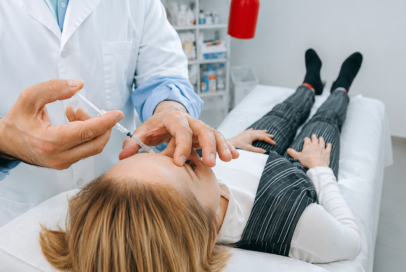
Note that some surgeons also offer adjunct procedures such as voice feminization surgery or nonsurgical treatments like Botox® injections and fillers for lip augmentation as part of a broader gender-affirming plan.
At FFS Institute, procedures are thoughtfully sequenced and combined based on your goals and anatomy, aiming to achieve balanced, natural results while keeping recovery as efficient and manageable as possible.
How Does Forehead Contouring Work in FFS?
Forehead contouring is often considered the cornerstone of facial feminization surgery because the brow and upper face play a major role in gender perception.
Depending on your anatomy, the procedure may include:
- Reducing the prominence of the brow ridge
- Performing a frontal sinus setback if the sinus cavity is pronounced
- Reshaping and smoothing the overall forehead contour
Because this is a complex craniofacial procedure, it requires advanced training and precise planning.
Even small changes in bone structure can have a meaningful impact on facial harmony, which is why surgeons with formal expertise in craniofacial and facial plastic surgery are especially important for achieving safe, predictable results.
What Is Involved in FFS Jaw and Chin Contouring?
Jaw and chin contouring focuses on softening the width, angles, and projection that are commonly associated with a more masculine facial structure.
The goal is to create smoother transitions and improved balance across the lower face.
Depending on your anatomy and goals, these procedures may include:
- Mandible angle reduction to soften sharp jaw corners
- Jaw tapering to create a narrower, more tapered lower face
- Chin reduction or reshaping to improve proportion and harmony
These surgeries involve careful bone reshaping while preserving nerve function and facial symmetry.
When performed by experienced FFS surgeons, the result is a smoother jawline that integrates naturally with the rest of the face, avoiding an over-reduced or artificial look.
What Is a Tracheal Shave (Adam’s Apple Reduction)?
A tracheal shave reduces the prominence of the Adam’s apple to create a smoother, more feminine neck profile.
During the procedure, excess thyroid cartilage is carefully reduced through a small incision. In many cases, the incision is placed in a discreet location, such as under the chin, so that there are no visible scars.
Because the vocal cords are located in this area, the surgery requires precision and restraint to avoid voice changes or injury. Fortunately, recovery is typically straightforward, with mild swelling and temporary discomfort that gradually improves.
When performed by an experienced surgeon familiar with gender-affirming anatomy, a tracheal shave can significantly reduce dysphoria related to the neck and throat while maintaining vocal safety and function.
Are Secondary FFS Procedures Necessary?
Secondary (or revision) FFS procedures can sometimes be part of complex facial surgery, but they’re not inevitable. Whether a revision is needed often depends on the scope of the original surgery, healing patterns, and the level of planning involved.
In general, revisions fall into two very different categories: minor refinements and major corrective procedures.
Small refinements may include subtle adjustments to soft tissue or contour smoothing once swelling has fully resolved. These are typically planned only after the face has healed, which can take up to a year.
Major revisions, on the other hand, are more often associated with incomplete planning, limited surgical experience, or inadequate understanding of craniofacial anatomy during the initial operation.
One of the most effective ways to reduce the likelihood of revision is thoughtful surgeon selection.
Surgeons with extensive FFS experience, such as Dr. Chen, who have performed over 1,000 facial feminization procedures, plan comprehensively from the start, accounting for bone structure, soft tissue response, and long-term healing.
This depth of experience helps minimize risks such as undercorrection, asymmetry, and results that feel incomplete.
Structured aftercare also matters. FFS Institute, for instance, provides coordinated follow-up and extended monitoring, often up to 12 months post-op, to track progress and address healing concerns early.
How Can You Avoid Needing FFS Revisions?
While no surgery can guarantee zero revisions, several factors are consistently associated with a lower likelihood of additional procedures:
- Choose a surgeon with deep FFS-specific experience. Expertise built over decades in facial feminization, rather than general plastic surgery alone, often reflects more refined planning and decision-making.
- Look for comprehensive treatment planning. Approaching the face as a balanced whole, rather than focusing on isolated features, can help reduce the chance of imbalance and later corrections.
- Follow postoperative instructions carefully. The early healing phase is especially important, as bone and soft tissue are more vulnerable during this time.
- Set realistic expectations about healing timelines. Swelling and tissue settling can take up to 12 months or longer, and early judgments can be misleading.
- Prioritize practices that include structured, long-term follow-up. Ongoing monitoring helps ensure any concerns are evaluated at the appropriate time.
When facial feminization is planned thoroughly and supported by consistent aftercare, most patients achieve stable, lasting results without the need for secondary surgery.
How to Choose the Right Facial Feminization Surgeon for You
Choosing an FFS surgeon isn’t about finding a single universal answer—it’s about knowing what to evaluate and how to compare your options with clarity.
Credentials, experience, and outcomes matter, but so do communication style, planning approach, and the level of support you’ll receive before and after surgery.
The sections below outline the process in practical steps. You’ll learn which questions to ask, how to research surgeons, and why location and access to follow-up care play a larger role than many people expect.
What Questions Should You Ask During an FFS Consultation?
A consultation should give you clarity, not pressure. Consider asking questions such as:
- Are you a double board-certified plastic surgeon? Where did you complete your fellowship training?
- How many facial feminization procedures have you personally performed?
- Which procedures do you recommend for my facial structure, and why?
- Will these procedures be staged or combined, and what does recovery look like?
- Where will surgery take place, and is the facility AAAHC-accredited?
- Who provides anesthesia, and what safety protocols are in place?
- What are the total costs, and how does your team help with insurance or financing?
- How do you handle revisions or touch-ups if they become necessary?
- What does post-op care include, and how long is follow-up provided?
How Do You Research FFS Surgeons Online?
Online research can be useful if you know what to verify. Start by confirming board certifications through official medical boards rather than relying on website claims.
Look for evidence of fellowship training and credentials such as Fellow of the American College of Surgeons (FACS), which indicate advanced surgical qualifications.
Review the before-and-after galleries carefully. Consistency, natural results, and a large volume of cases matter more than a few standout photos.
Patient reviews and testimonials can add context, especially when they focus on communication, safety, and long-term satisfaction, rather than just aesthetics.
Be cautious of red flags such as vague credentials, limited photo galleries, or marketing language that avoids discussing training and experience.
Professional recognition, including awards such as LA Magazine Top Doctor or Southern California Super Doctor, should be verifiable through third-party listings rather than self-reported claims.
What Role Does Location Play in Choosing an FFS Surgeon?
Location matters beyond convenience. Facial feminization surgery often involves in-person follow-up visits, particularly early in recovery when close monitoring is important. Being within a reasonable distance of your surgeon can make these visits simpler and less stressful.
Choosing a surgeon who practices near major medical centers can also provide easier access to specialized care if questions or concerns arise.
Established surgical hubs—such as Beverly Hills—offer proximity to respected institutions like Cedars-Sinai, AAAHC-accredited facilities, and multidisciplinary care teams.
Although many patients travel across states or internationally for surgery, it’s important to weigh the advantages of advanced infrastructure and accessible follow-up against the practical realities of distance, recovery, and travel.
Ultimately, the right surgeon balances expertise, experience, and practical support, helping you move forward with confidence rather than uncertainty.
What to Expect from Top FFS Surgeons
Working with a leading FFS surgeon like Dr. Henry Chen should feel organized, transparent, and supportive rather than uncertain.
The process typically begins with a detailed consultation that focuses on your facial anatomy, goals, and safety considerations, helping you understand your options clearly.
Before surgery, experienced specialists guide you through pre-op preparation steps and anesthesia planning, and set realistic expectations for timing and recovery.
On the day of surgery, care is delivered by a coordinated, board-certified team in an accredited surgical setting, with protocols designed for complex, multi-procedure cases.
Support continues well beyond the early healing phase. Established practices like FFS Institute provide structured follow-up and ongoing access to clinical guidance if questions arise, offering reassurance and continuity throughout your recovery.
How Long Is FFS Recovery with Experienced Surgeons?
Recovery from FFS varies based on the number and type of procedures involved, but experienced surgeons set conservative, realistic expectations.
The first one to two weeks usually involve moderate to severe swelling and bruising, with close monitoring and structured aftercare.
Most patients plan for about four weeks away from work, with some able to return earlier to light or remote duties if cleared by their surgeon.
Swelling improves gradually. The upper face often settles sooner, while the lower face tends to resolve last and may continue refining for up to 12 months.
Surgeons with extensive FFS experience, like Dr. Chen, approach procedure planning and staging thoughtfully to support safer healing and help reduce the risk of complications.
What Makes a Surgeon’s Team Important for FFS?
Successful FFS outcomes depend on more than the surgeon alone. A qualified team typically includes board-certified anesthesiologists and experienced care professionals who are familiar with the unique demands of complex facial procedures.
This collaborative approach supports safety, precise surgical execution, and patient comfort, especially during longer surgeries or staged procedures.
When everyone involved is experienced in FFS, care tends to feel more coordinated and reassuring.
Practices with dedicated FFS teams tend to run more smoothly on surgery day and during recovery. Coordination between providers also means post-op concerns are addressed promptly, rather than being fragmented across different facilities or clinicians.
How Do Top Surgeons Ensure Natural Feminine Results?
Natural-looking results are built on thoughtful planning, surgical restraint, and deep experience. Surgeons who perform FFS at a high volume develop a strong understanding of feminine facial balance and how it varies from person to person.
Instead of applying a standard template, they tailor each procedure to your bone structure, soft tissue, and overall proportions.
Just as importantly, experienced surgeons recognize where not to operate. Avoiding over-reduction and preserving structural support are key to long-term, natural-looking outcomes.
This balance between technical precision and aesthetic judgment is typically observed among surgeons who have performed more than 1,000 FFS procedures and have spent decades studying feminine facial form and expressions in clinical settings.
If you’re exploring facial feminization and want a plan grounded in experience and careful anatomical planning, you can schedule a consultation with
Dr. Henry Chen at FFS Institute to receive a personalized surgical plan tailored to your goals.
Contact us by calling (310) 237-1392 or completing the Contact form.