;)


Can Cisgender Women Get Facial Feminization Surgery? A Medically Grounded Guide by Dr. Henry Chen, Double Board-Certified Facial Reconstructive and Plastic Surgeon at FFS Institute, with Thousands of Successful Facial Feminization Surgery Procedures

Many people spend years wondering whether facial feminization surgery (FFS) is “meant” for someone like them. Some worry they are too old, haven’t started hormones, or simply worry about making a permanent decision without fully understanding what the surgery can and cannot accomplish.
Others, particularly cisgender women, want softer or more traditionally feminine facial features but are unsure whether facial feminization surgery is even intended for someone like them.
That’s why guidance from a surgeon who specializes in facial feminization surgery matters.
Dr. Henry Chen, FFS Institute’s lead surgeon, is a double board-certified facial plastic and reconstructive surgeon who completed one of the nation’s most selective facial plastic surgery fellowships.
Rather than treating facial feminization surgery as one service among many, he has dedicated his practice to this highly specialized field.
This guide explains who may benefit from facial feminization surgery, how candidacy is evaluated, what procedures may be recommended, what recovery looks like, and how to decide whether FFS is the right next step for you.
Key Takeaways
- Facial feminization surgery is open to transgender women, nonbinary individuals, and cisgender women with masculine-coded facial features. Eligibility centers on realistic expectations and medical fitness for surgery, not hormone history or identity gatekeeping.
- FFS is medically recognized gender-affirming care, not a cosmetic procedure, supported by peer-reviewed research documenting measurable gains in quality of life and psychological well-being.
- Regret rates for FFS are documented at or below 1% when performed by a board-certified surgeon who specializes in the procedure rather than performing it occasionally alongside other cosmetic work.
- Every FFS Institute consultation includes standardized photography, morphing software to preview potential outcomes, and a personalized surgical plan built on your anatomy and goals.
- To begin, schedule a consultation with FFS Institute at (310) 237-1392 for facial feminization surgery. Your patient care coordinator guides you through planning, financing, and recovery.
Can Cisgender Women Get Facial Feminization Surgery?
Cisgender women can be candidates for facial feminization surgery (FFS). The procedure is not limited to transgender or nonbinary patients. It is also appropriate for cisgender women whose facial bone structure or soft tissue features appear more masculine-coded because of genetic variation, hormonal influences during development, or natural differences in ethnic anatomy.
Facial anatomy exists on a broad spectrum. Some cisgender women are born with a more prominent forehead bone, a wider jaw, or a larger nose, characteristics that may cause self-consciousness or feel incongruent with how they see themselves. These variations reflect normal genetic and developmental differences.
Depending on your anatomy and aesthetic goals, a treatment plan may include forehead contouring, rhinoplasty (nose reshaping), jaw contouring, chin contouring (genioplasty), brow lift (browplasty), upper lip lift, or cheek augmentation.
The procedures selected vary from patient to patient and are intended to create balanced facial proportions rather than conform to a single definition of femininity.
Dr. Chen applies the same individualized planning process to every patient, regardless of gender identity. Your surgical plan is developed from a detailed evaluation of your facial anatomy, standardized photography, and your personal vision.
The goal is to bring your features into greater harmony with how you see yourself. The same candidacy standards apply to every patient: realistic expectations about surgical outcomes, good mental health, and medical fitness for general anesthesia remain the factors that determine whether facial feminization surgery is appropriate.
Understanding Facial Feminization Surgery and Who It Serves
Facial feminization surgery aligns facial structure with gender identity. The World Professional Association for Transgender Health (WPATH) Standards of Care, Version 8, classifies facial feminization surgery as medically supported gender-affirming care rather than a purely cosmetic elective.
A 2026 systematic review published in the Journal of Clinical Medicine found that gender-affirming surgery is associated with improved psychological well-being and quality of life for many patients, particularly during the first year after surgery, while emphasizing that long-term outcomes depend on individual and social factors.
FFS Institute serves three primary patient populations: transgender women, nonbinary individuals, and cisgender women seeking to soften or refine facial features they perceive as masculine-coded. Because every patient’s anatomy, goals, and priorities are different, treatment plans are individualized rather than based on a one-size-fits-all approach.
Just as important, eligibility is determined by medical readiness, not by how long someone has been on hormone therapy, how masculine their facial features appear, or how they define their gender identity. These considerations are discussed in greater detail during the candidacy evaluation.
Led by Dr. Henry Chen, MD, MBA, FACS, FFS Institute specializes exclusively in gender-affirming facial procedures.
Dr. Chen is double board-certified by the American Board of Facial Plastic and Reconstructive Surgery (ABFPRS) and the American Board of Otolaryngology–Head and Neck Surgery (ABOHNS). He has performed thousands of successful FFS procedures and brings 20 years of specialized expertise to each case.
Because FFS procedures permanently reshape facial bone and soft tissue, it is important to go into surgery with realistic expectations. Your results will depend on your unique anatomy, your healing, and the procedures included in your treatment plan. Insurance coverage is not guaranteed and varies by insurer, plan, and documentation requirements.
Who Can Have Facial Feminization Surgery?
Facial feminization surgery is appropriate for a wide range of patients. Candidacy is determined by practical medical considerations rather than personal milestones or identity labels.
In general, good candidates:
- Have realistic expectations about what surgery can achieve
- Are in good mental health
- Are medically fit to undergo general anesthesia
FFS Institute treats three primary patient populations, each with different goals and an individualized surgical plan.
- Many transgender women seek facial features that more closely align with their gender identity. Depending on your anatomy and goals, your treatment plan may include forehead contouring, rhinoplasty (nasal refinement), mandibular angle reduction (jaw contouring), thyroid cartilage reduction (Adam’s apple reduction), or a combination of procedures.
- Cisgender women with masculine-coded facial features may also benefit from facial feminization surgery. Some pursue forehead contouring, scalp advancement, nasal refinement, or other refinements to address aesthetic concerns. At FFS Institute, FFS is offered based on individual goals, not solely on gender identity.
- Some nonbinary individuals want a softer or more traditionally feminine appearance without pursuing a comprehensive facial transformation. Others may pursue selective procedures, such as brow repositioning, midface fullness, or lip enhancement, rather than a full surgical plan affecting the entire face.
Hormone therapy is not required before facial feminization surgery. While the WPATH Standards of Care recommend a period of hormone therapy before certain genital procedures, that recommendation does not apply to facial feminization surgery. Instead, eligibility is based on your overall surgical readiness.
That means the focus shifts from hormone status to your ability to safely undergo surgery. All facial feminization procedures are performed under general anesthesia, so medical fitness is essential.
Some conditions, such as a history of severe anesthesia complications, warrant careful evaluation and may require additional preoperative clearance from your primary care physician or a board-certified anesthesiologist.
Age is another important consideration. Because many facial feminization procedures involve permanent structural changes to the facial skeleton, surgery is performed on adults aged 18 and older.
At your consultation, your medical history, goals, and facial anatomy are assessed together to determine whether surgery is right for you and which specific procedures align with your objectives.
Who Is Not a Good Candidate for FFS?
Not everyone is an appropriate surgical candidate at every stage of life. During your consultation, your surgeon evaluates whether facial feminization surgery can be performed safely and whether the expected outcomes align with your goals.
Three factors most commonly affect candidacy:
- Unrealistic expectations about surgical outcomes
- Poorly controlled mental health conditions that could interfere with recovery or decision-making
- Significant medical contraindications, such as uncontrolled heart disease, bleeding disorders, lung or kidney disease, or other health conditions that increase the risks associated with general anesthesia
These evaluations are performed as part of the standard surgical planning process and are intended to protect your health, not to determine whether your identity or transition is “valid.”
If concerns arise during your evaluation, your surgeon discusses them openly with you and explains how they may affect surgical planning. Additional medical testing, specialist clearance, or treatment of an underlying condition may be recommended before moving forward.
Being a poor candidate today does not mean permanent ineligibility. For example, medical conditions may improve over time, altering the clinical picture. Similarly, if unrealistic expectations are the concern, education and time may help align your goals with what surgery can realistically achieve.
The goal of candidacy screening is to support informed decision-making while prioritizing patient safety throughout the surgical process.
What Procedures Are Typically Included in Facial Feminization Surgery?
FFS is not a single operation but a customized set of procedures selected and sequenced based on each patient’s unique facial bone structure, anatomical measurements, and personal goals.
No two plans are identical because every face is different, and every person’s vision for their appearance varies.
At FFS Institute, every surgical plan is developed using detailed imaging analysis.
A CT scan gives our surgical team a detailed, three-dimensional view of your facial anatomy. It also allows your surgeon to evaluate bone depth, projection, proportions, and other key anatomical landmarks, helping them tailor a surgical plan to your unique starting point rather than relying on standardized measurements.
With that information in hand, surgical planning typically begins with the upper third of the face, including the hairline, brows, orbital rims, and frontal bone.
Masculine features in this region, such as a prominent brow bone, create shadowing over the eyes and heavily influence how gender is read by others.
After evaluating the upper face, Dr. Chen determines whether additional refinement of the nose, cheeks, lips, jaw, chin, or neck would further improve facial harmony based on your anatomy and treatment goals.
The sections below walk through these zones, from the upper third through the lower face and neck.
Forehead Contouring and Brow-Bone Reduction
The forehead and brow region are often the starting point for facial feminization surgery because of their significant influence on overall facial proportions.
Masculine features in this zone include brow-bossing (prominence of the supraorbital ridge), a sloped or squared frontal bone, and orbital shadowing created by a recessed eye position. That ridge acts like an awning, positioning the eyes farther back in shadow.
Treatment is individualized based on your anatomy and may include forehead contouring, brow repositioning, scalp advancement, or a combination of these procedures:
- Frontal bone reduction and contouring address a prominent forehead. Depending on your needs, your surgeon may perform a Type 3 forehead reconstruction (frontal sinus setback), which involves reshaping and repositioning the frontal sinus.
When brow prominence is less pronounced and sufficient bone thickness is present, bone contouring alone may achieve the desired result without frontal sinus reconstruction.
The ideal technique depends on the patient’s frontal sinus anatomy and the degree of bossing rather than a one-size-fits-all approach.
- Brow repositioning is a separate procedure from forehead reshaping. A brow lift (browplasty) raises and softens the soft tissue of the brow itself, while upper eyelid surgery (blepharoplasty) targets excess eyelid skin and fat. Both can be performed as part of a comprehensive surgical plan.
- Scalp advancement (hairline lowering) shortens a long or masculine-appearing forehead by moving the hairline forward. This reduces the non-hair-bearing expanse above the eyebrows, creating a more feminine proportion.
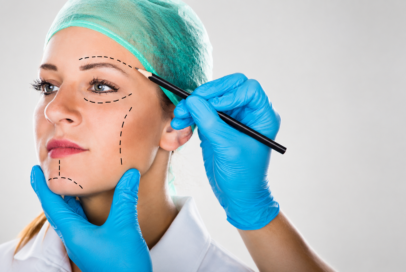
Before any bone reshaping, imaging assesses bone thickness, frontal sinus anatomy, and orbital structure. During your consultation, morphing software lets you preview potential outcomes alongside the CT scan data and before-and-after cases, so you can see what changes are realistic for your anatomy before committing to a surgical plan.
How Does Nose Reshaping (Rhinoplasty) Feminize the Face?
A feminizing rhinoplasty creates more balanced facial proportions by addressing features that often signal masculinity. Depending on your anatomy and treatment goals, the procedure may:
- Reduce nose width
- Refine the nasal tip,
- Adjust nasal projection relative to the face
- Reshape the nasal bridge
Because the nose sits at the center of the face, even subtle changes can significantly affect overall facial balance.
The surgical approach (open or closed) for a nose job is chosen based on your anatomy and goals rather than a single standard technique:
- The closed approach leaves no external scars and uses small incisions inside the nostrils.
- The open approach uses a small incision across the columella (the tissue between the nostrils) to provide greater access and visibility, often chosen for more complex modifications.
Both approaches use the same core techniques, including cartilage grafting, tip refinement, and dorsal reduction, while maintaining or improving nasal function.
A key benefit of nose surgery during facial feminization is that functional concerns, such as breathing difficulty or nasal obstruction, can be addressed alongside aesthetic refinement.
That functional focus is supported by Dr. Chen’s clinical research. His peer-reviewed study, Functional Outcomes After Feminizing Rhinoplasty, published by Thieme Medical Publishers in February 2026, showed that feminizing rhinoplasty can preserve and, in appropriately selected patients, improve nasal breathing while achieving aesthetic refinement.
Cheek Augmentation, Upper Lip Lift, and Lip Augmentation
Cheek augmentation, an upper lip lift, and lip augmentation refine the midface by improving facial balance rather than changing a single feature in isolation.
- Cheek augmentation adds fullness to the midface through implants or fat grafting, addressing flattened cheekbones that can read as masculine-coded.
- An upper lip lift shortens the distance between the base of the nose and the upper lip border, revealing more of the lip without adding volume.
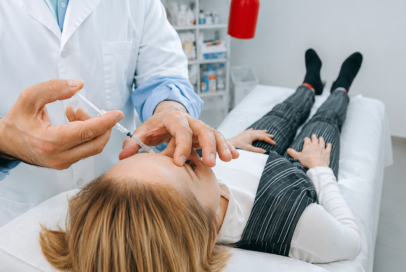
- Lip augmentation increases volume through fat transfer or dermal fillers, with fillers offering a reversible, nonsurgical entry point before committing to surgery.
When appropriate, fat transfer can restore volume to both the cheeks and lips during the same operation by redistributing your own tissue to multiple areas of the face.
These procedures can also be combined with other facial feminization procedures. Whether they are performed together or staged across multiple operations depends on your anatomy, overall health, and surgical safety. For some patients, staging surgery provides the safest and most effective approach.
The longevity of your results also depends on the technique used. Fat grafting and facial implants generally provide long-lasting volume enhancement, although some natural volume changes may occur over time. Dermal fillers produce temporary results and require periodic maintenance to maintain their effect.
Jaw Contouring, Chin Contouring (Genioplasty), and Neck Refinement
Jaw contouring through mandibular angle reduction tapers a wide or square jaw toward a softer appearance. Depending on your anatomy, the procedure may reshape the mandibular angle, the jaw body, or both to achieve balanced facial proportions.
Because the jaw and chin work together to define the lower face, chin contouring (genioplasty) is often performed during the same operation.
Chin contouring (genioplasty) adjusts chin projection and shape to create balance in the lower third of the face. This may involve moving bone forward, backward, or vertically, or modifying the chin’s width and definition. Like jaw work, the method is tailored to individual anatomy and aesthetic goals.
Achieving that balance requires careful surgical planning. FFS Institute meticulous preoperative planning based on CT imaging and morphing software review. This technology lets our surgeons execute surgery with greater accuracy.
Some patients may also benefit from facial rejuvenation procedures, such as a facelift or neck lift, to improve harmony among the jawline, neck, and lower face.
These procedures are recommended selectively based on your anatomy and treatment goals, rather than included as routine parts of facial feminization surgery.
Recovery is an important part of the overall treatment process. Lower-face swelling resolves last among postoperative changes and may continue to improve for up to 12 months after surgery.
That’s why our surgeons at FFS Institute generally wait until healing is complete before evaluating the final result or determining whether any revision procedures are appropriate.
How Does Adam’s Apple Reduction (Tracheal Shave) Work?
Chondrolaryngoplasty, commonly called a tracheal shave or thyroid cartilage reduction, reduces the visible prominence of the thyroid cartilage, the structure responsible for the protruding contour at the front of the throat. While it targets a single anatomical feature, the procedure can improve harmony between the neck and the rest of the facial profile.
At FFS Institute, your surgeon makes a small incision in a natural skin crease near the base of the neck. This placement keeps the resulting scar well hidden once healed.
One of the most common questions is whether a tracheal shave affects the voice. Because the procedure reshapes the thyroid cartilage without operating on the vocal cords, it is not intended to change your ability to speak.
While some patients experience temporary changes in pitch or vocal resonance due to postoperative swelling, these effects are usually mild and improve as healing progresses.
Most patients are advised to eat soft foods for the first few days after surgery to keep swallowing comfortable while the throat heals. Swelling gradually subsides over the following weeks, with continued improvement during recovery.
Both transgender women and cisgender women may request thyroid cartilage reduction. It is commonly combined with other surgical components such as jaw reshaping, chin contouring, lip procedures, or nasal refinement as part of a plan tailored to your goals.
What Happens During Facial Feminization Surgery?
Your facial feminization surgery is performed under general anesthesia at K&B Surgical Center (9033 Wilshire Blvd., Suite 210, Beverly Hills), an AAAHC-accredited surgical facility staffed by board-certified surgeons and anesthesiologists.
Preparation begins well before the day of surgery. Before your procedure, you and your surgeon work together to refine every aspect of your treatment plan. This process typically includes:
- Standardized photographs taken from multiple angles
- Morphing software to review potential changes and establish realistic expectations
- A CT scan, when additional anatomical detail is needed for surgical planning
- A final review of your treatment plan, including the procedures, surgical sequence, and treatment goals
Most patients complete their facial feminization surgery in two stages. A single-stage surgery is the exception, reserved for select cases based on anatomy, the extent of planned procedures, and overall health. Your surgeon reviews the staged versus single-stage option with you during your consultation.
On surgery day, you receive anesthesia and move into the operating room, where the surgical team performs your planned procedures. Depending on your anatomy and goals, your surgery may include:
- Forehead contouring and brow repositioning
- Rhinoplasty
- Cheek augmentation and fat transfer
- Lip procedures
- Jaw contouring and chin contouring (genioplasty)
- Scalp advancement
- Adam’s apple reduction (tracheal shave)
After surgery, you’ll recover at a dedicated aftercare facility with 24-hour nursing support instead of returning directly to your hotel. Your surgeon evaluates your recovery the following day and continues monitoring your progress before you transition back to your hotel.
Around seven days after surgery, you return for suture removal and a wound check. Follow-up visits continue at 1, 3, 6, and 12 months.
For many patients, the moment they see themselves clearly in the mirror becomes a turning point.
As one patient, Makayla H., described her result: “My FFS exceeded my expectations. I have to blink multiple times when I look at the mirror because of how beautiful I look after surgery.” That alignment between inner identity and outer appearance is what makes the process meaningful.
What Are the Benefits of Facial Feminization Surgery?
This surgery produces measurable improvements across multiple domains of mental health and quality of life.
A 2022 peer-reviewed study published in Annals of Surgery compared patients before and after facial feminization surgery and found statistically significant improvements in multiple measures of psychosocial health, including:
- Anxiety
- Depression
- Anger
- Positive affect
- Meaning and purpose
- Global mental health
- Social isolation
These improvements persisted even when controlling for other gender-affirming treatments and preexisting mental health conditions, indicating that surgery completion itself drives meaningful psychosocial change.
Beyond clinical metrics, this surgery can reduce the daily burden of misgendering and the social and professional limitations that follow.
Research published in Facial Plastic Surgery & Aesthetic Medicine found that facial feminization surgery significantly improved both self-perceived and publicly perceived facial femininity while reducing patient-reported limitations in social and professional activities.
For people experiencing gender dysphoria related to their facial features, bringing their appearance into closer alignment with their gender identity can have a meaningful impact on daily life. As one patient, Kai G., shared: “Having my FFS with Dr. Chen has been great. It made my life happier living as my true self.”
Long-term research also supports these findings. A longitudinal report published in Quality of Life Research showed that transgender women without surgical intervention scored statistically lower on mental health and QoL measures than both patients who had undergone facial feminization and the general female population.
For many people, facial feminization surgery becomes an important part of achieving greater psychological well-being and gender congruence.
One concern many patients carry is regret. Research pooling transgender women, nonbinary individuals, and other patients found that regret rates for gender-affirming facial procedures are below 1%, substantially lower than most other elective surgeries.
Careful patient selection, thoughtful surgical planning, and treatment by experienced, board-certified surgeons are all believed to contribute to these consistently high satisfaction rates.
That lasting sense of alignment is reflected in another patient’s experience. Iris O. described the outcome this way: “For the first time, when I look in the mirror, I can truly see me on the outside, the same person I have always known myself to be on the inside. This experience has been deeply affirming and life-changing.”
Every patient’s experience is unique, and results vary based on anatomy, surgical goals, and healing. Even so, the evidence consistently shows that facial feminization surgery can improve quality of life while maintaining a strong long-term safety and satisfaction profile.
How Risky Is Facial Feminization Surgery?
All surgery carries real risks, and facial feminization surgery is no exception. Understanding those risks is an important part of making an informed decision.
Potential risks include:
- Pain
- Bleeding
- Infection
- Scarring
- Delayed wound healing
- Facial asymmetry that may require revision surgery
- Nerve injury
- Anesthesia-related complications
Most of these are temporary and manageable with proper aftercare.
Some patients may notice subtle facial asymmetry after surgery. Because swelling can continue improving for up to 12 months, revision surgery is not considered until healing is complete and the final result can be accurately evaluated. Operating before that point could compromise both safety and aesthetic outcomes.
While no surgeon can eliminate all risk, careful planning and an experienced surgical team play an important role in minimizing it.
All procedures are performed at K&B Surgical Center, an AAAHC-accredited facility meeting among the highest standards in the country for safety, cleanliness, and quality of care. Every surgeon and anesthesiologist is board-certified and holds full hospital admitting privileges.
Specialized experience also matters. Dr. Henry Chen has performed thousands of facial feminization procedures, giving him extensive familiarity with the anatomical nuances and surgical planning unique to gender-affirming facial surgery.
As one patient noted, “He has a method and plan that is informed by trans concerns,” a distinction that separates a specialist from a surgeon treating this work as a side service.
That specialized focus and individualized surgical planning may help reduce surgical risks and support more predictable outcomes. What matters most is choosing a board-certified surgeon with extensive, focused experience operating within an accredited facility with full safety protocols in place.
What Is the Recovery From Facial Feminization Surgery Like?
Recovery follows a structured, supported process that begins immediately after your procedure and extends through a full year of healing. Understanding the timeline, restrictions, and care requirements helps you prepare physically and emotionally for what comes next.
- The first week: intensive support and monitoring
After your procedure, you stay at a dedicated aftercare facility with round-the-clock nursing care for the first two days. This ensures trained medical staff monitor your healing, manage pain, and address any concerns before you transition home.
Dr. Chen sees you the day after surgery to assess your initial healing and answer questions. Emmy, your patient care coordinator, checks in regularly during your first week to coordinate the practical details of your recovery.
Around seven days postoperative, you return for suture removal and a wound check.
- Pain management and activity restrictions
Moderate to severe pain is typical during the first days following surgery. Pain management uses a tapered approach: oral and topical arnica, over-the-counter medications such as ibuprofen and acetaminophen, and narcotic pain relievers are used initially to manage discomfort.
Narcotic medications are typically continued for the first few days, after which you taper to over-the-counter options as healing progresses and pain decreases.
Do not lift anything heavier than 15 pounds until cleared by your surgeon. This protects your surgical sites and prevents complications from increased pressure and strain.
If you underwent nose surgery, an additional restriction applies: do not blow your nose for one month after surgery. Nose blowing increases pressure at the surgical site, delaying healing and potentially compromising your results.
- Returning to daily life
Most patients return to work after about three to four weeks, though the timeline depends on your job type and healing.
Plan for at least the first week entirely off work to manage pain, swelling, and the emotional adjustment of early recovery. If your work is light, remote, or flexible, you may resume earlier with your surgeon’s approval.
Swelling peaks in the first 72 hours and continues improving over the weeks. The lower face, including the jaw, chin, and neck, tends to retain swelling the longest and may continue to improve for up to 12 months.
- Scar care and sun protection
After one to two weeks of healing, begin applying silicone gel to your external incision sites as directed by Dr. Chen. This may help minimize scar appearance and support healthy healing.
Procedures with incisions inside the mouth, such as jaw and chin work, leave no external scar to treat.
Strict sun protection is critical throughout your recovery. Use broad-spectrum sunscreen daily, wear hats and protective clothing, and avoid direct sun exposure on healing surgical areas. Sun exposure during healing can permanently darken scars and compromise your results.
If you underwent hairline lowering, wait four to six weeks before dyeing or chemically treating your hair, and confirm the timing with your surgeon first.
- Nutrition and healing support
Optimal nutrition supports healing. Focus on high-protein foods to support tissue repair, leafy greens like kale and spinach for micronutrients, and anti-inflammatory foods like pineapple. Staying hydrated and eating nutrient-dense meals gives your body the resources it needs to heal efficiently.
- Your follow-up schedule
We schedule follow-up appointments at 1, 3, 6, and 12 months after surgery to monitor your progress and confirm results. Final results typically become visible around 12 months, when swelling has fully resolved, and tissue maturation is complete.
Between scheduled appointments, you can reach the team by phone or text. If you have any questions or concerns, you can reach Emmy, Meghan, or Dr. Chen directly rather than waiting until your next appointment. This continuity reinforces that you are supported throughout your recovery.
Patients often highlight this level of care in their reviews. Valerie Vielmas shared that, despite waiting for insurance approval, “it has been a great experience overall.”
She described Dr. Henry Chen as “the most down-to-earth” surgeon she had spoken with, adding that he made her feel safe communicating despite her social anxiety and that she “had no problem conveying what [she] needed.”
Her experience also highlights the team’s support throughout the insurance process, reinforcing the patient-centered care that extends well beyond the operating room.
Why Choose a Plastic Surgeon With Specialized FFS Training
Finding the right surgeon is one of the most consequential decisions a patient makes. According to Bookimed (2025), 65% of patients report difficulty locating a surgeon for gender-affirming care, with wait times in the United States ranging from 6 months to 7 years.
Not every plastic surgeon who performs facial procedures has the dedicated training or case volume to achieve consistent outcomes.
FFS demands expertise in craniofacial anatomy, an understanding of how facial features influence gender perception, and familiarity with the specific goals of transgender women, nonbinary individuals, and cisgender women seeking a more feminine appearance.
A surgeon who performs this work occasionally may not develop the pattern recognition, surgical precision, or individualized planning that emerge from extensive case volume and specialization.
When evaluating a surgeon, two qualifications deserve particular attention:
- Specialized training: Dual board certification by the American Board of Facial Plastic and Reconstructive Surgery (ABFPRS) and the American Board of Otolaryngology–Head and Neck Surgery (ABOHNS), along with fellowship training focused on facial plastic and reconstructive surgery.
- Dedicated experience: A practice centered on facial feminization surgery with substantial case volume, rather than facial feminization as one of many cosmetic services.
Dr. Henry Chen meets both criteria. He is double board-certified by ABFPRS and ABOHNS and completed an elite fellowship in facial plastic and reconstructive surgery at Albany Medical Center and the New England Laser and Cosmetic Surgery Center under the mentorship of Dr. Edwin F. Williams III, former President of the American Academy of Facial Plastic and Reconstructive Surgery. Approximately 40 surgeons nationwide are selected for this fellowship each year.
His expertise extends beyond the operating room into peer-reviewed research, with publications on cranial sexual dimorphism and gender-affirming surgical outcomes in the Journal of Craniofacial Surgery and JAMA Facial Plastic Surgery. He also serves as a national lecturer on facial feminization surgery.
Dr. Chen holds the designation of Los Angeles Magazine Top Doctor (2019 to 2026) and Southern California Super Doctor (2020 to 2026).
His reputation among fellow surgeons is equally telling: as one colleague stated, “Dr. Chen does incredible work. Best in town. And has amazing bedside manners. As a fellow surgeon, I refer him all my patients who need plastic surgery of the face.”
Board certification, fellowship training, dedicated clinical experience, peer-reviewed research, and recognition from both patients and fellow surgeons help provide confidence that your care is grounded in specialized expertise from consultation through recovery.
What Happens at an FFS Consultation With Dr. Chen?
Your journey begins with a structured process designed to support you from your first call through recovery.
When you call (310) 237-1392 or submit a consultation request, Meghan from the front office coordinates your appointment. The office is open Monday through Friday, 9:00 AM to 3:00 PM Pacific Time.
Before your consultation appointment, Emmy, the patient care coordinator, reaches out for a pre-consultation call.
She gathers information about your goals, answers preliminary questions, and introduces herself as your dedicated point person throughout the planning and recovery process.
During your consultation, your surgeon focuses on understanding your goals and developing a treatment plan tailored to your anatomy. Your visit typically includes:
- A discussion about your aesthetic priorities and surgical goals
- Standardized photographs to document your starting point
- Morphing software to preview potential outcomes
- Before-and-after case reviews to establish realistic expectations
- A CT scan, which is typically ordered to evaluate your facial anatomy and support personalized surgical planning
After the consultation, Emmy takes charge of logistics and finances. She navigates insurance pre-authorization, explores coverage options when surgery is medically supported, and discusses financing solutions such as CareCredit.
A full facial feminization surgery plan often costs more than six figures (over $100,000), depending on the scope of your plan. While many PPO insurance plans may provide coverage when medical necessity criteria are met, benefits vary by payer and individual policy. Emmy walks you through the process so you understand your options before moving forward.
If you’re traveling from out of state, Emmy also coordinates your surgical schedule, aftercare, and travel logistics.
Most out-of-town patients spend their first two days after surgery at an aftercare facility with round-the-clock nursing support, then move to a hotel for the remainder of their roughly week-long stay.
From your first phone call to your final follow-up visit, the goal is to make every step of the process clear, organized, and personalized so you can focus on your surgery and recovery with confidence.
Patients frequently praise this experience. One patient, BK, wrote, “If you’re looking for the best plastic surgeon in Los Angeles, look no further. I mean it!” After describing the frustration of searching for the right cosmetic surgeon, BK encouraged others to “Book an [appointment] with Dr. Chen. You won’t be disappointed.”
Is FFS Permanent?
Bone-based facial feminization procedures, such as forehead contouring and jaw reshaping, produce permanent structural changes that do not revert over time. Soft-tissue procedures, including fat grafting and upper lip lift, also provide long-lasting results, although they continue to change naturally as the face ages.
Fat graft survival varies by technique and treatment area, and because the lips are more mobile than many other facial regions, volume changes tend to be more noticeable there over time. Natural aging continues and may affect how results appear over the years, but it does not reverse the skeletal changes surgery delivers.
Does a Tracheal Shave Change Your Voice?
A tracheal shave (chondrolaryngoplasty) reshapes the most prominent portion of the thyroid cartilage without operating on the vocal cords. As a result, permanent changes in the voice are uncommon.
Some patients experience temporary hoarseness or changes in vocal resonance due to postoperative swelling. These changes are usually mild and resolve as the tissues heal over the following weeks.
Do You Need Hormone Therapy Before FFS?
Hormone therapy is not required before facial feminization surgery. FFS Institute eligibility depends on surgical fitness and realistic expectations, not on treatment status or duration.
The 12-month requirement under WPATH Standards of Care applies to genital procedures, not FFS. Nonbinary individuals, cisgender women, and those transitioning can pursue this surgery regardless of treatment status.
Insurance may require a mental health support letter for pre-authorization, but this is an insurance requirement, not a universal surgical requirement.
Can FFS and a Facelift Be Combined?
FFS and a facelift can be combined for select patients, depending on anatomy, personal goals, and medical fitness. The decision is driven by surgical safety and candidacy, not by scheduling or efficiency.
Combining procedures extends surgical time and increases complexity, so Dr. Chen evaluates each case individually before recommending a single-stage approach.
Staging, addressing FFS in one session and a facelift in another, remains more common when the overall scope is extensive or when patient health favors a shorter surgical duration.
What Hair-Related Procedures Are Part of FFS?
Hairline lowering (scalp advancement) and hair transplantation are two hair-related procedures that may be part of your surgical plan, depending on your anatomy and goals.
Hairline lowering repositions your hairline forward to create a shorter, more oval forehead, one of the most feminizing changes to the upper face.
Hair transplantation may also be recommended if density is low or thinning is present along the hairline. Dr. Chen evaluates both at your consultation.
What Nonsurgical Options Can Complement FFS?
Hyaluronic acid-based dermal fillers, such as Juvéderm or Restylane, can add soft-tissue volume to the cheeks and lips to complement your surgical plan.
These fillers are temporary by design, typically lasting 6 to 18 months, and are preferred over permanent options because they carry lower long-term complication risk. Fillers support but do not replace the structural changes surgery delivers. Bone remodeling requires surgical procedures.
How Long Does FFS Take to Heal?
Most patients see initial recovery from facial feminization surgery within about four weeks, with final results visible up to 12 months after surgery. Swelling continues to improve gradually for many months after the four-week mark.
The lower third of the face, which includes the jaw and chin, resolves last after procedures like chin surgery and jaw reshaping, and swelling in that area can take up to a year to fully subside.
We schedule follow-up visits at 1, 3, 6, and 12 months to confirm healing. Revision surgery is not performed until 12 months have passed.
Schedule a Consultation With FFS Institute
Every facial feminization journey starts with a conversation. At FFS Institute, we understand that no two patients come in with the same anatomy, goals, or vision of what feels right for them.
Rather than a one-size-fits-all approach, every surgical plan is tailored to your anatomy, goals, and identity to achieve results that feel natural, balanced, and congruent with who you are.
That same approach carries through everything Dr. Chen does. Outside the operating room, he volunteers on annual medical missions to Guatemala with HELPS International and participates in Mending Kids’ Hometown Mission in Los Angeles. It reflects the same compassion and individualized care his patients experience throughout their treatment.
Your consultation is designed to be informative, low-pressure, and exploratory.
During your visit, you’ll discuss your goals and concerns directly with Dr. Chen while the team takes standardized photographs and uses morphing software to review potential outcomes.
You’ll also examine before-and-after cases from actual patients, including those who underwent forehead contouring, brow repositioning, nasal refinement, chin contouring, upper lip lift, tracheal shave, cheek augmentation, and fat grafting.
By the end of your consultation, you will have a personalized surgical plan and a clear understanding of what comes next. Results vary by anatomy, healing, and the number and extent of procedures included.
While every patient’s experience is unique, many describe the consultation as the beginning of a life-changing journey. As one patient, Jordyn R., shared on Healthgrades: “He is a phenomenal doctor, unbelievably talented and has given me the dream. I am happy and confident and stronger than ever.”
If and when you’re ready, we’re here to help. Reach out to FFS Institute to schedule your consultation and have an honest conversation with a board-certified surgeon who has dedicated his practice exclusively to gender-affirming facial surgery.
FFS Institute
435 N Roxbury Drive, Suite 200
Beverly Hills, CA 90210
Phone: (310) 237-1392
Hours: Monday through Friday, 9:00 AM to 3:00 PM Pacific Time