;)


How to Get Facial Feminization Surgery: A Step-by-Step Guide From Consultation Through Recovery

Dr. Henry Chen, MD, MBA, FACS, is a double board-certified facial plastic and reconstructive surgeon who leads FFS Institute in Beverly Hills. He is certified by the American Board of Facial Plastic and Reconstructive Surgery (ABFPRS) and the American Board of Otolaryngology, Head and Neck Surgery (ABOHNS).
He also completed an elite fellowship in facial plastic and reconstructive surgery awarded to only about 40 surgeons nationwide each year, training under Dr. Edwin F. Williams III, a past president of the American Academy of Facial Plastic and Reconstructive Surgery (AAFPRS).
With thousands of successful facial feminization surgery procedures behind him and recognition as a Los Angeles Magazine Top Doctor from 2019 through 2026, Dr. Chen brings the focused experience that separates specialists from generalists.
FFS Institute exists to provide expert, individualized, gender-affirming facial surgery in a safe and affirming environment for transgender women, nonbinary people, and cisgender women whose facial features feel misaligned with who they are.
This article maps the full path, from your first consultation through recovery, to show exactly what getting FFS with Dr. Chen looks like and which procedures may fit your plan.
Key Takeaways
- FFS is a customized set of procedures, not one operation. It reshapes bone and soft tissue to align facial features with a patient’s gender identity.
- Choosing a surgeon who focuses on FFS as a primary practice, rather than as an occasional add-on, is the single most important decision in the process.
- Dr. Henry Chen is double board-certified by ABFPRS and ABOHNS, has performed thousands of successful procedures, and completed a fellowship awarded to only 40 surgeons nationwide each year.
- Insurance may cover portions of FFS through PPO plans when medical necessity is documented, though approval can be slow and is never guaranteed. Our insurance team manages pre-authorization and appeals for you.
- Most patients undergo FFS in two stages. Single-stage surgery is available for select cases, and the decision depends on anatomy, scope, and health.
- Recovery runs up to 12 months for final results, with a next-day check-in from Dr. Chen and follow-up visits at 1, 3, 6, and 12 months.
What Is Facial Feminization Surgery, and Who Is It For?
Facial feminization surgery is a set of gender-affirming surgical procedures that reshape facial features toward a more traditionally feminine appearance for transgender women, nonbinary and gender non-conforming individuals, and cisgender women seeking to soften more traditionally masculine facial features.
FFS is provided as medically supported care consistent with the World Professional Association for Transgender Health (WPATH) Standards of Care v8, and it is not limited to people who are transitioning.
Facial feminization surgery is far more than a cosmetic procedure. For many transgender and nonbinary persons, it can be a lifeline. Our surgeons approach every patient with individualized care rooted in specialized training.
FFS candidates include:
- Transgender women
- Nonbinary and gender non-conforming individuals seeking features more aligned with their identity
- Cisgender women who want to soften more traditionally masculine facial features. FFS is not limited to those who are transitioning.
For some patients, that alignment eases gender dysphoria, the distress that can come from a mismatch between how a face reads and who someone knows themselves to be. Good candidates are generally in stable overall health and have realistic expectations about what surgery can achieve.
Hormone therapy is not required for facial feminization surgery. The 12-month hormone guidance in the WPATH Standards of Care applies to genital procedures, not facial procedures, so hormone status alone does not determine FFS candidacy.
During your consultation, Dr. Chen evaluates your health, goals, and facial anatomy to determine whether facial feminization surgery is appropriate for you and which procedures may be part of your plan.
What Facial Features Can FFS Address?
FFS can address the forehead and brow, hairline, brow position, nose, cheeks, upper lip, chin, jaw, and the thyroid cartilage in the neck. Dr. Chen approaches your face as a cohesive whole and selects only the procedures relevant to you, rather than applying a fixed menu.
The procedures FFS Institute offers include:
- Forehead contouring and frontal bone reduction
- Hairline lowering through scalp advancement
- Brow lift
- Feminizing rhinoplasty, including revision rhinoplasty
- Cheek augmentation
- Upper lip lift
- Genioplasty, which reshapes the chin bone
- Jaw contouring through mandibular angle reduction
- Tracheal shave, also called chondrolaryngoplasty or tracheal chondroplasty
- Fat transfer to the midface
- Facelift and neck lift for appropriate patients
FFS is not a single procedure but a combination selected around your anatomy and goals, built during an in-person consultation, with every procedure serving a clear purpose.
Who Makes a Good Candidate for FFS?
A good candidate for FFS wants facial changes that better reflect their gender identity, is healthy enough for surgery, and has realistic expectations about what FFS can achieve.
FFS Institute generally treats adults aged 18 and older. For adolescents, candidacy requires particularly careful, individualized assessment under applicable standards of care, laws, and clinical guidance.
During consultation, the surgeon evaluates your facial anatomy, overall health, goals, and the specific procedures that may be appropriate for you. Medical conditions that could affect surgery, anesthesia, or healing may require additional evaluation or management before proceeding.
Results vary by anatomy, healing, and the specific procedures in your plan, and no surgeon can guarantee an outcome.
What Does the Step-by-Step Process to Get FFS Look Like?
The step-by-step process to get FFS at FFS Institute begins with first contact and consultation, continues through travel and post-operative coordination, and extends through the 12-month follow-up. You don’t have to work through that process alone.
Our front office staff schedules your consultation, Emmy, our patient care coordinator, handles travel logistics and post-operative coordination, and our insurance team owns pre-authorization, documentation, and appeals. The FFS process at FFS Institute brings these responsibilities into one coordinated experience, not six separate errands.
Step 1: Research and Choose a Qualified FFS Surgeon
Finding the right specialist is the most consequential decision you will make. Difficulty is common: as of 2025, Bookimed reported that 65% of patients struggle to find a qualified gender-affirming surgeon, with United States wait times running from six months to seven years.
What to look for:
- Verified board certification and relevant surgical training. Qualified FFS surgeons can come from different surgical backgrounds, so look for recognized board certification and experience with both facial bone and soft-tissue procedures.
Dr. Henry Chen is certified by the ABFPRS and ABOHNS, reflecting his training in facial plastic and reconstructive surgery and otolaryngology–head and neck surgery.
- Fellowship training in facial plastic and reconstructive surgery. Only about 40 surgeons nationwide receive these elite fellowships each year.
- Concentrated FFS volume. A surgeon who has performed thousands of these procedures brings pattern recognition that an occasional operator cannot.
- A before-and-after gallery you can actually review, plus testimonials across independent platforms.
Reddit reviewer SkulGurl described the difference this way: “He came across as really empathetic and understanding, definitely more would be the case from someone who just does FFS as a side thing from their main practice. He has a method and plan that is informed by trans concerns, which is a big plus for me.”
Step 2: Schedule and Prepare for Your FFS Consultation
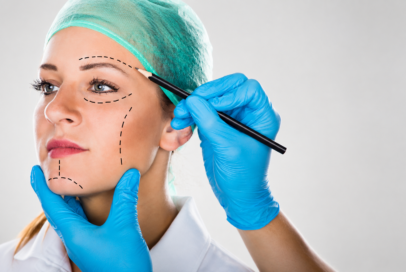
Our front office staff arranges your consultation and sends a welcome email to help you prepare. During the consultation itself, Dr. Chen reviews your facial anatomy and photos and helps develop a plan, working through your goals and concerns in depth. Standardized photographs are taken as part of that review, and Dr. Chen may order a CT scan to assess your bone structure and support meticulous preoperative planning.
As Valerie V. shared on Healthgrades: “I have social anxiety, so talking to people is scary, let alone trying to ask or say anything about surgery. However, he makes you feel safe that you have no problem conveying what you need.” The consultation is built to feel calm and affirming, including for patients who find medical conversations difficult.
Step 3: Build Your Individualized Surgical Plan
No two surgical plans at FFS Institute are alike, because each one is built on your anatomy, goals, and sense of self rather than a template. Dr. Chen uses meticulous preoperative planning, including CT imaging and morphing software review, to map the specific procedures you need.
Most patients undergo FFS in two stages. FFS Institute’s own procedure page explains why: “If a comprehensive surgery is planned to address the entire face, it can take up to 12 hours. This results in a more intensive recovery process. For that reason, it oftentimes is better to stage them into two separate surgeries.” Staging distributes the surgical load, allows safer anesthesia management, and makes each recovery more manageable.
Single-stage surgery is available for select cases where the scope and your overall health support it. Anatomy and safety drive that decision, never cost.
Step 4: Work Through Insurance and Financing
Once your plan is set, our insurance team takes over pre-authorization, documentation submission, and appeal coordination on your behalf. For patients with PPO coverage, the team works to establish medical necessity through documented clinical evidence, which can bring portions of the total cost into coverage. Approval is not guaranteed and varies by policy.
Full FFS costs can be over six figures, over $100,000, depending on the scope of your plan. When insurance covers little or nothing, we may discuss CareCredit financing and structured payment plans to spread the cost over time.
The honest reality, in the practice’s own words, is that the approval process may be long and arduous, and coverage may apply only to a portion of the total cost. Having our team run that process means you won’t have to work through complex coverage rules by yourself.
Step 5: Prepare for Surgery Day
A preoperative visit confirms the practical details and makes sure you are physically and emotionally ready. Dr. Chen and the surgical team review your plan and answer final questions.
All procedures are performed under general anesthesia at K&B Surgical Center, an AAAHC-accredited facility at 9033 Wilshire Blvd, Suite 210, Beverly Hills. A board-certified anesthesiologist manages your comfort and safety throughout, closely monitoring anesthesia. General anesthesia is what makes the airway management, pain control, and precision this work demands possible.
Surgery length varies based on the number and combination of procedures in your plan. Most patients having a comprehensive plan have their procedures split across two stages rather than one session.
Step 6: Recover and Follow Up With Your Care Team
After surgery, you recover at an aftercare facility with 24-hour nursing for roughly the first two nights, then go home. Dr. Chen personally checks on you the day after surgery, either at the facility or the office, to confirm healing is on track.
Emmy monitors you closely through the first week and coordinates your wound check and suture removal at around seven days. Follow-up visits are scheduled at 1, 3, 6, and 12 months.
Most patients return to work three to four weeks after a combined FFS plan, though timelines vary with scope and healing.
As Iris O. shared after her revision: “I never felt alone or dismissed; I felt seen, heard, and cared for. This journey has not been easy, but Dr. Chen and his entire team made it one filled with trust, safety, and hope.”
Why Does Choosing the Right FFS Surgeon Matter So Much?
Choosing the right FFS surgeon matters because facial feminization surgery demands expertise in craniofacial bone surgery and facial plastic surgery at once, an uncommon combination that separates FFS from general cosmetic work. Surgeon experience and specialization are therefore important considerations when evaluating revision and complication risk.
Dr. Henry Chen has performed thousands of successful FFS procedures, with FFS as his primary focus rather than a secondary offering, and he holds board certification in both relevant specialties.
What Credentials Should You Look For in an FFS Surgeon?
Look for verified board certification in a relevant surgical specialty, along with training and experience that match the bone and soft-tissue procedures involved in FFS.
ABOHNS certification verifies training and assessment in otolaryngology–head and neck surgery, while ABFPRS certification verifies qualifications and experience in facial plastic and reconstructive surgery.
Board-certified plastic surgeons and facial plastic surgeons can both specialize in FFS. Beyond board certification, evaluate relevant fellowship experience, bone-level operative training, published research where applicable, FFS-specific case volume, and documented surgical outcomes.
Dr. Henry Chen’s ABOHNS and ABFPRS certifications confirm his specialty training, while his additional training and concentrated FFS experience provide further context for his work in facial feminization surgery.
Beyond certification, weigh:
- Fellowship training in facial plastic and reconstructive surgery, which provides advanced, focused surgical training beyond residency.
- Craniomaxillofacial background, a separate differentiator. Bone-level forehead and jaw work demands it.
- Peer-reviewed publications, which show planning grounded in anatomical science rather than intuition.
- Third-party validation, including referrals from fellow surgeons and independent ratings.
Dr. Chen holds dual board certification, completed an elite fellowship, and has published research on cranial sexual dimorphism in The Journal of Craniofacial Surgery. As of September 2026, he has a 4.9-star Google rating based on 89 independent reviews and he holds a Healthgrades Choice designation and a 4.6-star Healthgrades rating based on 32 independent reviews.
One fellow surgeon’s referral reads: “As a fellow surgeon, I refer him all my patients who need plastic surgery of the face. Dr. Chen does incredible work. Best in town. And has amazing bedside manner.”
Why Does FFS-Specific Procedure Volume Matter?
FFS-specific volume matters because it builds the pattern recognition needed to handle the full range of facial anatomy, staging decisions, and complication scenarios this surgery produces. Thousands of procedures feel different from a handful a year.
Volume is what lets a surgeon individualize rather than template. Your plan is then shaped by deep familiarity with gender-affirming facial surgery and the priorities that come with it, not adapted from a general cosmetic framework.
What Questions Should You Ask at Your FFS Consultation?
Bring these questions to any FFS consultation:
- What board certification does the surgeon hold?
- How many FFS procedures does the surgeon perform each year, and is FFS the practice’s primary focus?
- Can you review before-and-after cases from patients with similar anatomy and goals?
- Will your plan be staged, and what determines how procedures are split?
- Does the surgeon use CT imaging and morphing software for preoperative planning?
- Does the practice have an insurance team handling pre-authorization, including support if a claim is denied?
- What does recovery look like week by week, and when are final results visible?
- What is the surgeon’s approach to revision if one is ever needed?
These questions test expertise, individualized planning, and recovery support, which are the three things that most affect your result and your experience of getting there.
What Procedures Are Most Commonly Included in FFS?
The procedures most commonly included in FFS address the upper, middle, and lower thirds of the face through frontal bone contouring, rhinoplasty, cheek augmentation, jaw contouring, and genioplasty.
Your FFS plan depends on your facial anatomy and goals, so no two plans are the same. We organize FFS procedures across three regions and treat the face as a cohesive whole rather than a list of isolated fixes.
- Upper third: scalp advancement, frontal bone reduction and contouring, brow lift, and eyelid surgery.
- Middle third: feminizing rhinoplasty, cheek augmentation, and upper lip lift.
- Lower third: jaw contouring, genioplasty, and tracheal shave.
You decide which of these belong in your plan during your consultation with Dr. Chen, informed by meticulous preoperative planning.
Upper Third: Forehead, Brow, Eye, and Hairline Procedures
The upper third of the face carries the most skeletal differences between typically masculine and typically feminine anatomy, which is why it is often central to a plan. A prominent brow ridge acts like an awning over the eyes, keeping them recessed and in shadow, and reducing it changes how the entire eye area reads.
When the frontal sinus projects prominently, Dr. Chen may perform Type 3 forehead cranioplasty, in which the front wall of the frontal sinus is removed, reshaped, and repositioned to create a smooth contour. That is a more involved intervention than simply shaving bone. The technique depends on your anatomy and surgical plan, not a single default approach.
Brow bone reduction and brow lift address skeletal prominence and brow position together. The brow tends to sit lower and straighter on a more traditionally masculine face and higher and more arched on a more traditionally feminine one. Hairline advancement lowers and reshapes the front hairline to reduce forehead height and width, softening the face frame.
Upper eyelid surgery, or blepharoplasty, and brow lift are separate operations that are often confused. Blepharoplasty addresses the eyelid tissue itself, while a brow lift repositions the brow.
Preoperative CT scans and X-rays assess frontal sinus anatomy and bone depth before you decide on a technique.
Middle Third: Nose, Cheeks, and Lips
Feminizing rhinoplasty, the nose reshaping procedure many patients first search for as a nose job, refines the nose toward softer, more balanced proportions. It takes three to four hours, depending on your anatomy and whether the surgeon uses an open or closed approach.
Cheek augmentation adds midface volume for softer, more rounded contours. Fat transfer, also called fat grafting, can serve as an alternative or a complement to implants, using your own tissue to fill and soften the cheek region. Dermal fillers offer a nonsurgical option for midface volume, but they differ from surgical augmentation and grafting in both permanence and scope.
An upper lip lift shortens the distance between the nose and the upper lip, increasing visible lip fullness without adding volume.
Lower Third: Jaw, Chin, and Neck
Jaw contouring through mandibular angle reduction narrows the jaw and softens a square lower face into a more tapered shape. Genioplasty reshapes the chin bone to reduce projection or width for a softer profile. Both use incisions inside the mouth, and neither leaves an external scar.
A tracheal shave, or chondrolaryngoplasty, reduces the prominence of the thyroid cartilage, the structure commonly called the Adam’s apple. The vocal cords attach beneath that cartilage, which makes voice change an uncommon but real consideration your surgeon will discuss with you rather than something to rule out in advance. Voice feminization itself is a separate, specialist-managed process outside FFS Institute’s scope.
For appropriate patients, a facelift and neck lift may address skin laxity and soft-tissue descent in the lower face and neck, complementing the bone work above.
How Much Does FFS Cost, and How Do You Afford It?
FFS costs over $100,000 for a full surgical plan, and patients may afford FFS by combining insurance coverage where it applies, CareCredit financing, personal savings, and crowdfunding. The final cost depends on the scope of your plan, procedure complexity, surgeon expertise, and facility fees. Most patients bring together several funding sources rather than relying on one.
Coverage for FFS in the United States is limited and inconsistent. A 2023 literature review published in the Journal of Clinical Medicine examined seven studies of FFS access and insurance coverage in the United States and found that medical-necessity requirements varied across policies and did not always align with WPATH criteria.
Insurance protections for gender-affirming care vary by state. Some states prohibit private insurers from categorically excluding medically necessary transgender-related care, while others have no explicit protection or permit certain exclusions. Even in states with stronger protections, coverage for specific procedures depends on the insurance plan, medical-necessity criteria, and authorization requirements.
Our insurance team handles verification and pre-authorization on your behalf, drawing on Dr. Chen’s double board certification and peer-reviewed research to strengthen the medical-necessity case in peer-to-peer reviews. Approval isn’t guaranteed, and pre-authorization can take months. We work through it alongside you rather than handing you a denial and a phone number.
How Does Insurance Coverage for FFS Work?
Insurance coverage for FFS works through medical-necessity review: some PPO plans may cover portions of the cost where clinical documentation supports the claim, though approval is never guaranteed and coverage often applies to only part of the total.
The scale of the administrative work is worth knowing before you start. A 2021 study of the University of California, Los Angeles experience reviewed 40 FFS consults and found that around 90% were ultimately approved under insurance, which is a genuinely encouraging figure. Getting there differed sharply by path.
Standard approvals averaged 1.1 months and 1.4 hours of administrative time. Cases needing multi-level appeals averaged 7.0 months and 10.8 hours, more than 20 times the administrative cost of obtaining authorization. That figure describes the work of securing approval, not the price of your surgery.
Patients typically submit clinical documentation, which may include a mental health support letter where the insurer requires one, along with medical records, before a claim is reviewed. Our insurance team prepares and manages those submissions.
Medicaid coverage varies by state. Confirm your specific plan’s policy rather than assuming coverage applies.
How Do You Get FFS Covered by Insurance?
To get FFS covered by insurance, work through four steps in order:
- Confirm your plan is a PPO with trans-inclusive benefits. This determines what is realistically available to you.
- Gather a mental health support letter if your insurer requires it. This is an insurance documentation requirement, not a universal surgical prerequisite.
- Submit pre-authorization with full clinical and medical-necessity documentation.
- Appeal formally if the claim is denied, with supporting clinical records.
Insurance coverage does not necessarily eliminate substantial out-of-pocket costs. A 2025 study in PRS Global Open found that privately insured patients undergoing gender-affirming surgery faced out-of-pocket costs two to four times higher than patients with public insurance. That’s why it helps to check your plan’s deductibles, copays, and other costs early.
You don’t have to navigate the approval process alone. The FFS Institute insurance team helps with documentation, preauthorization, and appeals. Dr. Chen’s board certification by ABFPRS and ABOHNS, along with his peer-reviewed research, carries real weight in peer-to-peer review, where a specialist’s clinical authority is harder for a carrier to dismiss than a generalist’s.
Starting early also gives you room for delays. The UCLA report also shows that standard approvals took 1.1 months compared with 7 months for cases that required an appeal. Bringing up insurance on your first call can help you plan before setting a surgery date.
What Financing Options Are Available for FFS?
Financing options for FFS run across several paths, and most patients combine them:
- CareCredit, the financing option FFS Institute supports directly, which spreads payments over time rather than requiring a lump sum.
- Personal savings combined with crowdfunding, a common approach. Campaign results vary widely. Set expectations carefully on both timelines and totals.
- Grant programs. Point of Pride’s Annual Trans Surgery Fund is a real, named example worth researching.
- Insurance coverage where your plan treats FFS as medically necessary. Our team handles pre-authorization, though approval is not guaranteed.
- Health Savings Accounts and Flexible Spending Accounts may apply, depending on your plan and how procedures are classified. Verify with your plan administrator rather than assuming.
The legal landscape is also shifting. In 2024, Cohen Milstein filed a class action against Aetna over facial gender-affirming surgery coverage; one named plaintiff paid roughly $35,000 out of pocket after her surgery was denied.
Litigation of that kind signals growing pressure on insurers to treat FFS as medically necessary rather than cosmetic. Treat it as context on a moving landscape, not as a promise about your own plan.
Do Employer Health Plans Ever Cover Gender-Affirming Surgery?
Some employer health plans include trans-inclusive benefits that cover facial gender-affirming procedures, though eligibility varies widely by employer and plan.
Contact your HR department or benefits administrator to review your plan’s coverage terms and pre-authorization requirements. Doing that early, before your consultation, lets what you find shape your financial planning rather than arriving as a surprise afterward. Once you know what your plan may cover, our insurance team can help review the details and prepare medical-necessity documentation.
What Happens After Facial Feminization Surgery?
What happens after facial feminization surgery is a staged recovery that begins with Dr. Chen’s check-in the next day, continues through first-week nursing support and follow-up visits, and reaches final-results assessment at 12 months.
Dr. Chen checks in the day after your procedure to confirm healing is progressing. You have nursing support through your first week, with suture removal and a wound check at approximately seven days. Follow-up visits at 1, 3, 6, and 12 months track your progress, and we assess final results at the 12-month mark before considering any revision.
What Does FFS Recovery Look Like Week by Week?
FFS recovery week by week begins with roughly the first two nights at an aftercare facility with 24-hour nursing, after which you go home. Dr. Chen checks on you the day after surgery, Emmy monitors your progress through the first week, and sutures come out at around seven days.
- Weeks one to two: Swelling and bruising peak early, then begin to settle. Sleep with your head elevated. Keep lifting under 15 pounds.
- Weeks two to four: Visible swelling and discoloration gradually resolve. Avoid forceful nose blowing through the first month.
- Weeks three to four: Most patients return to work after a combined plan, and moderate exercise usually resumes around week four.
- Months three to twelve: Swelling in the lower face can take up to a full year to resolve completely, which is why final results are judged at 12 months.
How Long Does FFS Recovery Take?
FFS recovery takes about three to four weeks before most patients return to work after a combined plan, with the exact timeline depending on scope and individual healing. A standalone single-area procedure recovers faster than a comprehensive multi-area plan. Match your expectations to the surgery you are actually having.
Swelling continues to improve for months afterward, and the lower third of the face is the last area to settle, sometimes taking a full year. Revision surgery is not considered until 12 months have passed, because results are not final before that.
Peer-reviewed research has also documented improvements in patient-reported outcomes after facial gender-affirming surgery. A systematic review and meta-analysis in the International Journal of Transgender Health pooled 1,837 patients and 3,886 procedures across 19 studies and found statistically significant improvement across every quality-of-life domain measured after facial gender-affirming surgery.
A separate 2023 study of 48 patients in Plastic and Reconstructive Surgery Global Open used the FACE-Q instrument and found satisfaction with overall facial appearance rose significantly after FFS, with the jawline showing the largest gain, followed by the nose.
What Can You Eat and Do to Support Healing After FFS?
What supports healing after FFS is straightforward, and most of it is within your control:
- Eat for tissue repair. High-protein foods such as eggs, lean meats, and legumes, plus leafy greens and anti-inflammatory options such as pineapple, help through the early recovery weeks.
- Manage bruising and swelling. Oral and topical arnica help reduce bruising and puffiness. Confirm timing and dosage with your care team before starting anything new.
- Follow the pain protocol. Our regimen leads with over-the-counter and prescription medication and tapers the prescription as pain decreases. Follow Dr. Chen’s schedule rather than stopping abruptly or adjusting on your own.
- Care for external scars. Where an incision is external, begin silicone gel once it has closed, introduce gentle scar massage after one to two weeks when your care team clears it, and apply broad-spectrum sun protection to the area. Jaw and chin incisions are inside the mouth, and this does not apply to them.
- Wait on hair dye. If scalp advancement was part of your plan, wait four to six weeks before dyeing hair near the incision line.
What Is the Emotional Adjustment Period After FFS?
The emotional adjustment period after FFS is a normal, temporary part of recovery, not a sign that something has gone wrong. In the early weeks, swelling distorts self-perception, and the face you see in the first month is not the face you will have at 12 months.
Regret after gender-affirming surgery is rare. A 2021 systematic review and meta-analysis in Plastic and Reconstructive Surgery Global Open pooled 27 studies and 7,928 patients and found the prevalence of regret after gender-affirming surgery was 1%, with a 95% confidence interval of under 1% to 2%.
Patient Makayla H. reflected: “I have to blink multiple times when I look at the mirror because of how beautiful I look after surgery.”
Another patient, Kai G., shared: “Having my FFS with Dr. Chen has been great. It made my life happier living as my true self.”
Contact the care team whenever emotional distress is severe, concerning, or difficult to manage.
How Risky Is Facial Feminization Surgery?
Facial feminization surgery carries the risks inherent to surgery, including pain, bleeding, infection, scarring, delayed wound healing, asymmetry that may require revision, nerve injury, and anesthesia-related complications. Careful planning by an experienced surgeon and attentive postoperative care can reduce the risk of complications, though no surgeon can eliminate all risk.
Following preoperative and postoperative instructions can also reduce complication risk, as can choosing a surgeon with concentrated experience in facial feminization surgery.
FFS Institute performs all procedures at K&B Surgical Center, an AAAHC-accredited facility, where every surgeon and anesthesiologist is board-certified and holds full hospital admitting privileges. Surgical-facility accreditation should come from a recognized accrediting body such as the Accreditation Association for Ambulatory Health Care (AAAHC).
What Surgical Risks Should You Discuss With Your Surgeon?
Surgical risks to discuss with your surgeon include pain, bleeding, infection, scarring, delayed wound healing, asymmetry that may require revision, nerve injury, and anesthesia-related complications. A surgeon focused on this field can meaningfully reduce several of them.
Four factors work against safe surgery and are worth resolving first: heart disease, bleeding disorders, poorly controlled mental health concerns, and unrealistic expectations about outcomes. None of these is a permanent disqualification. Thorough preoperative optimization exists to address them, and working through them is part of what makes surgery safer for qualified patients.
Does FFS Leave Visible Scars?
Most FFS scars sit where they stay out of sight in everyday life, either within the front hairline or inside the mouth. Incisions for jaw contouring and genioplasty are intraoral and leave no external scar at all.
Some procedures may leave minimal scars in more visible places, including an upper lip lift and a tracheal shave. Final scar appearance depends on your anatomy, how you heal, and which procedures you have.
For external incisions, standard scar care includes silicone gel, consistent sun protection, and gentle massage once your care team clears it, usually after one to two weeks. Scars mature over roughly a year and are typically flatter and lighter by six months. Healing varies between people, and no outcome can be guaranteed.
What Age Is Best for Getting FFS?
There is no single best age for getting facial feminization surgery, but candidates must be adults aged 18 and over. Readiness for facial feminization surgery depends on physical maturity, emotional steadiness, and overall surgical candidacy.
Because many of these procedures involve permanent structural changes, we approach them carefully. Dr. Chen assesses each patient individually during consultation to determine whether the timing fits your anatomy, goals, and readiness.
Why Does Craniomaxillofacial Training Matter for FFS?
Craniomaxillofacial training matters for facial feminization surgery because bone-level work sits at the center of many FFS procedures. Where the frontal sinus projects prominently, reshaping the forehead can involve removing, reshaping, and replacing the front wall of that sinus, which goes beyond standard cosmetic surgical training.
Dr. Chen’s certification by both ABFPRS and ABOHNS covers craniofacial bone work and advanced facial plastic technique together. His peer-reviewed research, “Assessment of Cranial Sexual Dimorphism Using 3D Reconstruction: Implications for Gender-Affirming Surgery,” published in The Journal of Craniofacial Surgery, shows planning grounded in anatomical science rather than convention.
Relevant training in craniofacial bone work is therefore an important consideration when choosing a surgeon to perform bone-level facial feminization procedures.
What Do FFS Results Look Like, and What Can You Realistically Expect?
FFS results are designed to look natural and balanced, and you can realistically expect changes that work with your own facial features rather than conformity to a single feminine standard. FFS Institute approaches the face as a cohesive whole, not a collection of separate procedures. The goal is to look like yourself, with features that align with your identity.
Every plan is different. One patient’s plan might combine forehead contouring, jaw and chin reshaping, a tracheal shave, a brow lift, an upper lip lift, and a revision rhinoplasty, each step chosen around her own vision of herself.
You can see real patient outcomes in the before-and-after gallery. As Iris O. shared: “For the first time, when I look in the mirror, I can truly see me on the outside, the same person I have always known myself to be on the inside.”
How Does FFS Affect Quality of Life and Psychosocial Well-Being?
FFS produces measurable improvements in psychosocial well-being. Published research reports that patients show reductions in anxiety, depression, and anger, alongside gains in positive affect, meaning and purpose, and global mental health, and that social isolation is reduced compared with baseline. Further research reports improvements in both self-perceived and externally perceived facial femininity, with fewer limitations in social and professional activities.
Outcomes vary with planning, expectations, and recovery, and the degree of change differs from person to person.
Frequently Asked Questions About Getting FFS
- Is facial feminization surgery considered a major surgery?
- FFS is a major surgical procedure performed under general anesthesia, not a minor or outpatient cosmetic treatment. Its length varies with the number of procedures in your plan. All procedures take place at K&B Surgical Center, an AAAHC-accredited facility, with a board-certified anesthesiologist in every case. General anesthesia provides the safety, pain control, and airway management this level of craniofacial work requires.
- How painful is facial feminization surgery?
- Pain immediately after FFS is moderate to severe, which is expected given the extent of work on bone and soft tissue, and it is actively managed. Most patients find the discomfort becomes manageable within the first few days when they follow the protocol closely. The regimen combines over-the-counter and prescription medication in a tapering schedule, with arnica as a secondary adjunct for bruising and swelling. Dr. Chen checks on you the day after surgery, and the team monitors your comfort through the first week.
- How long does facial feminization surgery take?
- Surgery length varies based on the number of procedures selected. Most patients undergo FFS in two stages, with single-stage surgery available for select cases. Your plan, developed during consultation, determines how we distribute procedures across stages. We choose staging for surgical safety and recovery management, not for convenience or cost.
- Can you get a loan for FFS?
- Personal loans are one route patients use, and FFS Institute supports CareCredit directly as a financing partner. HSA and FSA funds may apply where a medical-necessity determination is in place, though eligibility depends on your plan. Review any loan terms carefully before signing, including the interest rate, repayment period, and total cost. Many patients combine savings, financing, and crowdfunding.
- How do you get FFS surgery if you live out of town?
- Emmy coordinates timing, travel logistics, and aftercare planning from the moment surgery is scheduled, and out-of-town patients receive the same level of care as local ones. Plan to stay in the Beverly Hills area for approximately one week after surgery. That covers the next-day check-in from Dr. Chen, the aftercare facility stay with 24-hour nursing for roughly the first two nights, first-week monitoring, and suture removal at around day seven. Most patients fly home about a week after surgery.
- Does hormone therapy affect FFS eligibility?
- Hormone replacement therapy is not a requirement for FFS. The 12-month hormone guidance applies to genital surgery, not facial procedures. You can pursue FFS regardless of your hormone status. We assess candidacy based on facial anatomy, overall health, and your individual goals. Some patients need a mental health support letter for insurance documentation, but that is an insurer requirement rather than a surgical prerequisite. Before surgery, we review your current medications and hormone therapy history, including your dosage, duration of treatment, and prescribing provider, as part of individualized surgical planning.
- What is the difference between FFS and other gender-affirming procedures?
- FFS is anatomically distinct: it addresses the face and neck through bone-level work such as frontal bone reduction and mandibular angle reduction, combined with soft-tissue procedures including rhinoplasty, genioplasty, cheek augmentation, and tracheal shave. Other gender-affirming surgeries operate on entirely different regions of the body. FFS can sit within a broader gender-affirming care plan, alongside or after other procedures, but each surgery addresses its own anatomy and is planned independently.
How Do You Get Started With FFS at FFS Institute?
Begin by scheduling a consultation with Dr. Henry Chen at (310) 237-1392, Monday to Friday, 9 AM to 3 PM. During that appointment, you’ll talk through your goals and priorities.
The consultation may include standardized photographs and morphing-software review to help you and Dr. Chen discuss potential changes and develop an individualized surgical plan. These simulations are planning and communication tools, not guarantees or precise predictions of your final result.
Surgery is performed at K&B Surgical Center, the AAAHC-accredited facility in Beverly Hills at 9033 Wilshire Blvd, Suite 210.
Dr. Chen’s commitment to dignity-first care extends beyond the operating room. He works annually with HELPS International in Guatemala, providing surgery for patients in rural areas who would otherwise go without it, and takes part in Hometown Mission programs with Mending Kids in Los Angeles.
Jordyn R., a patient of Dr. Chen’s, shared: “He is a phenomenal doctor, unbelievably talented, and has given me the dream. I am happy and confident and stronger than ever, and it started with him.”
If you are considering FFS, the next step is a conversation. Call (310) 237-1392 to schedule your consultation and begin your journey.